Stories from Taitung
One place, one story at a time
The Taitung landmarks everyone shares online all have something left unsaid behind them. We write them down, one piece at a time.
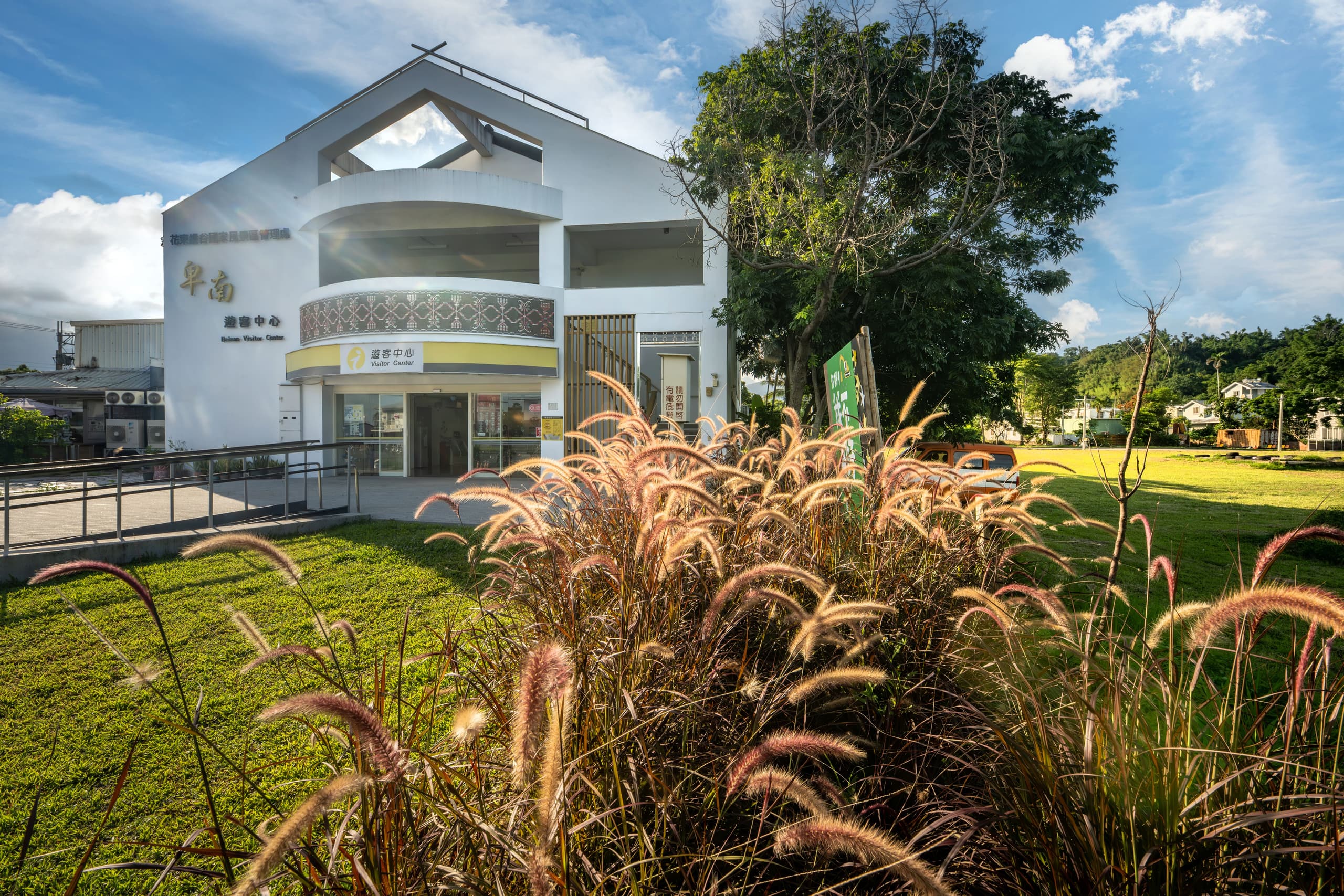
Beinan Site · Prehistoric Culture · A 5,000-Year Story
5,000 Years Ago, People Were Already Lighting Fires, Eating, and Burying Their Dead in Taitung
The Beinan Site, beside Kangle Station in Taitung City, is the largest prehistoric settlement ever found in Taiwan and the largest slate-coffin burial ground anywhere in the Pacific Rim and Southeast Asia. The Beinan Culture, which flourished here from roughly 5,000 to 2,300 years ago, left behind a complete record of dwellings, graves, jade, and pottery. Discovered in 1980 during construction of the South-Link Railway, it was excavated under archaeologists Sung Wen-hsun and Lien Chao-mei, yielding about 1,600 burials, over 99% of them slate coffins. The crescent stone pillars (3,500 years old) are the most striking remains still standing on the surface. For travellers who want to understand that Taitung was not first settled a mere hundred years ago.
2026-05-31 · 6 min read
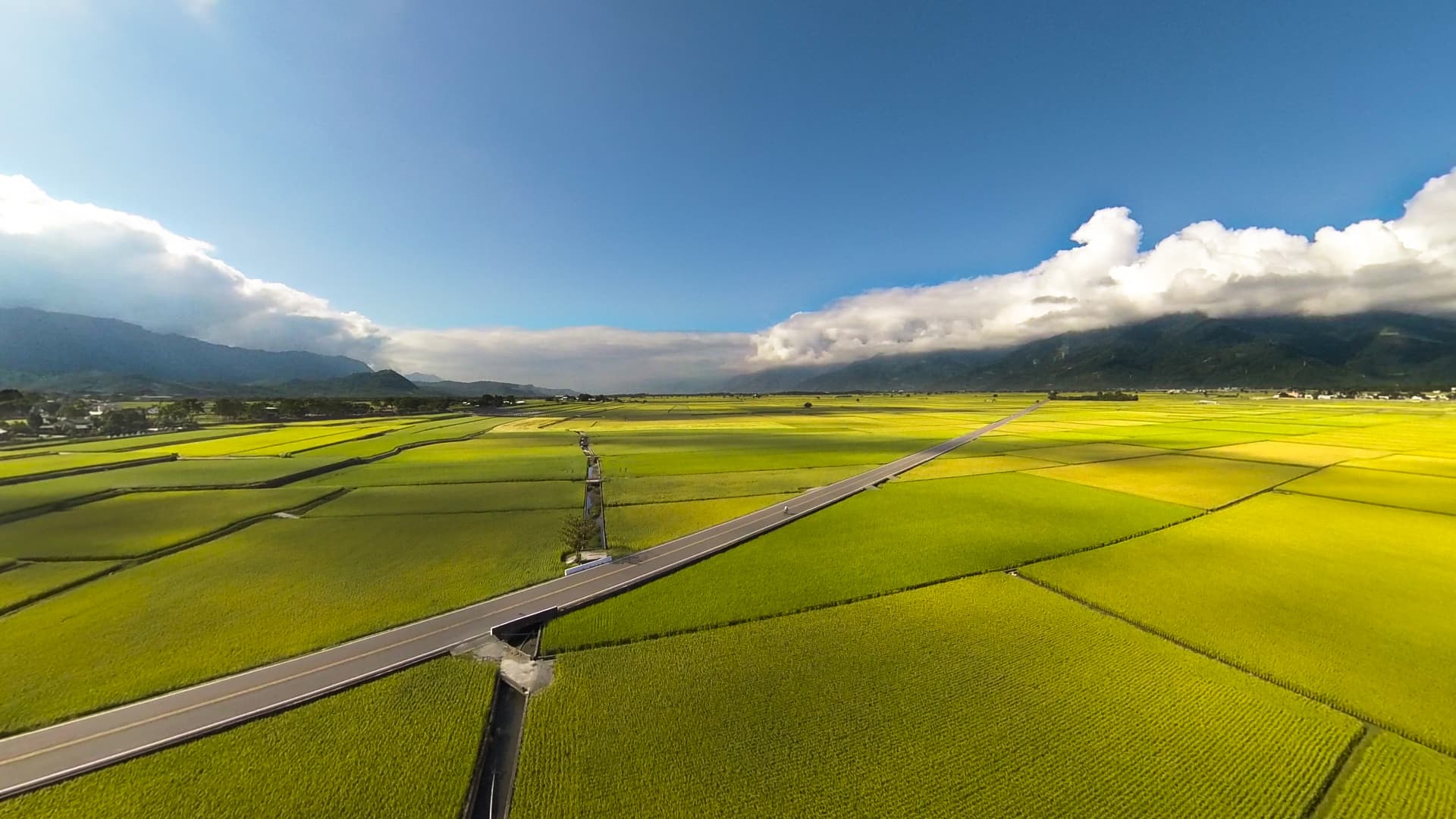
Brown Avenue · The Version Without the Photo Line · A Story from Chishang
A Tree Named "Tea Offering," Lent for a Decade to a Movie Star
Brown Avenue runs 2.2 kilometres along Jinxin Road No. 3 in Chishang Township, Taitung, deliberately kept clear of power poles and houses. After Takeshi Kaneshiro drank tea beneath its bishopwood tree for an airline commercial in 2013, the road became famous overnight — but since 2023, the official name of the "Takeshi Kaneshiro Tree" has reverted to its original "Tea Offering Tree." As people who live in Taitung, we offer you the truest story of this road — including the tree's real name, how Chishang locals actually ride it, and which season is right.
2026-05-31 · 5 min read
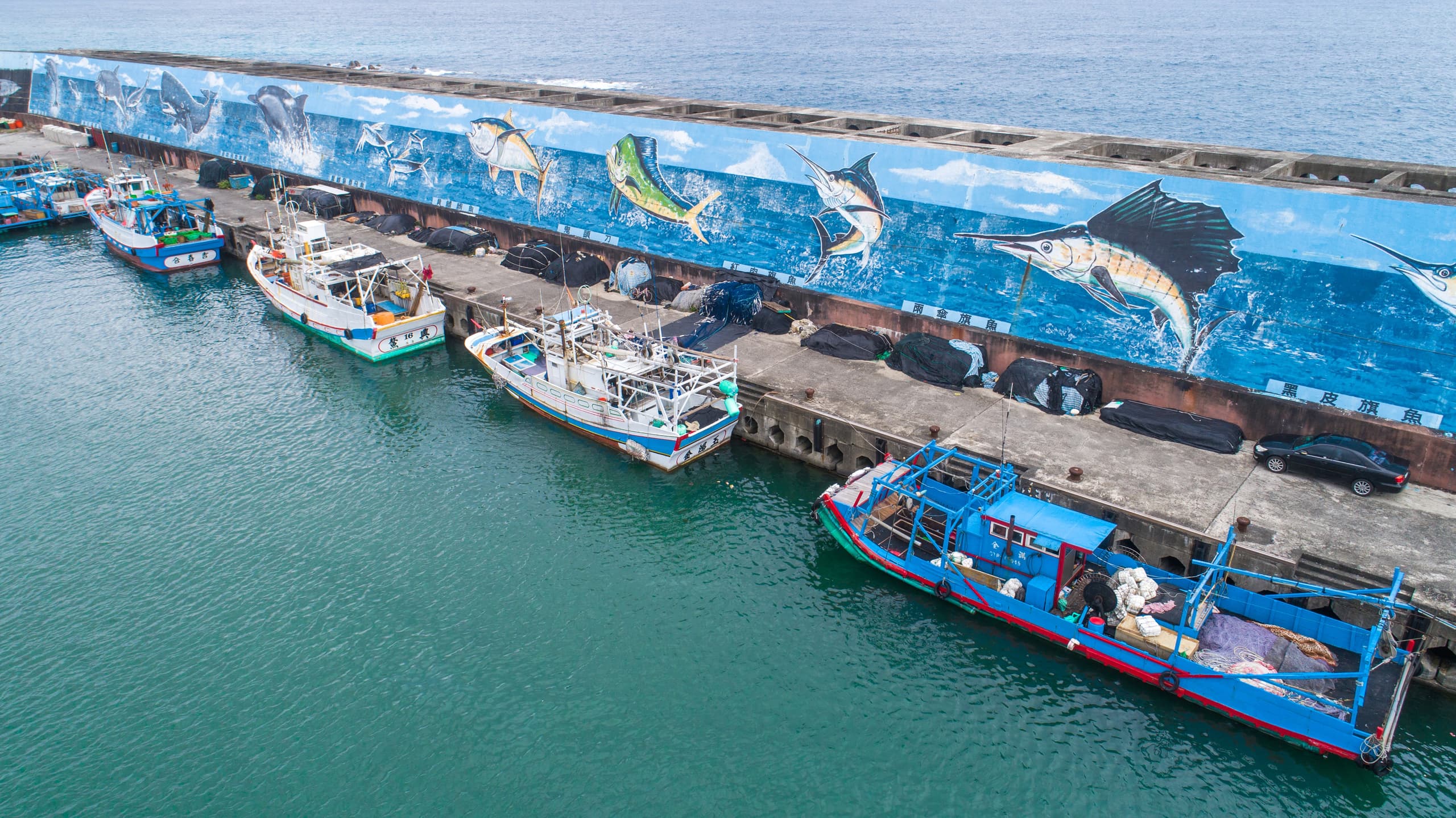
Chenggong · Billfish Season · A Fishing-Port Story
To Spear One Billfish, You Stand on the Waves for Three Hours
Chenggong (成功) is the largest fishing port on the East Coast, and the Xingang Fish Market is Taitung's busiest hub for seafood. From September to March each year comes the harpoon-billfish season — a traditional way of fishing that dates back to the Japanese colonial era and survives to this day. A fisherman stands at the bow with a four-metre iron harpoon and waits, in wind and swell, for a black marlin to rise to the surface. Written for anyone who wants the freshest billfish in Taiwan, and for travellers curious about how a single fish makes its way to the table.
2026-05-31 · 5 min read
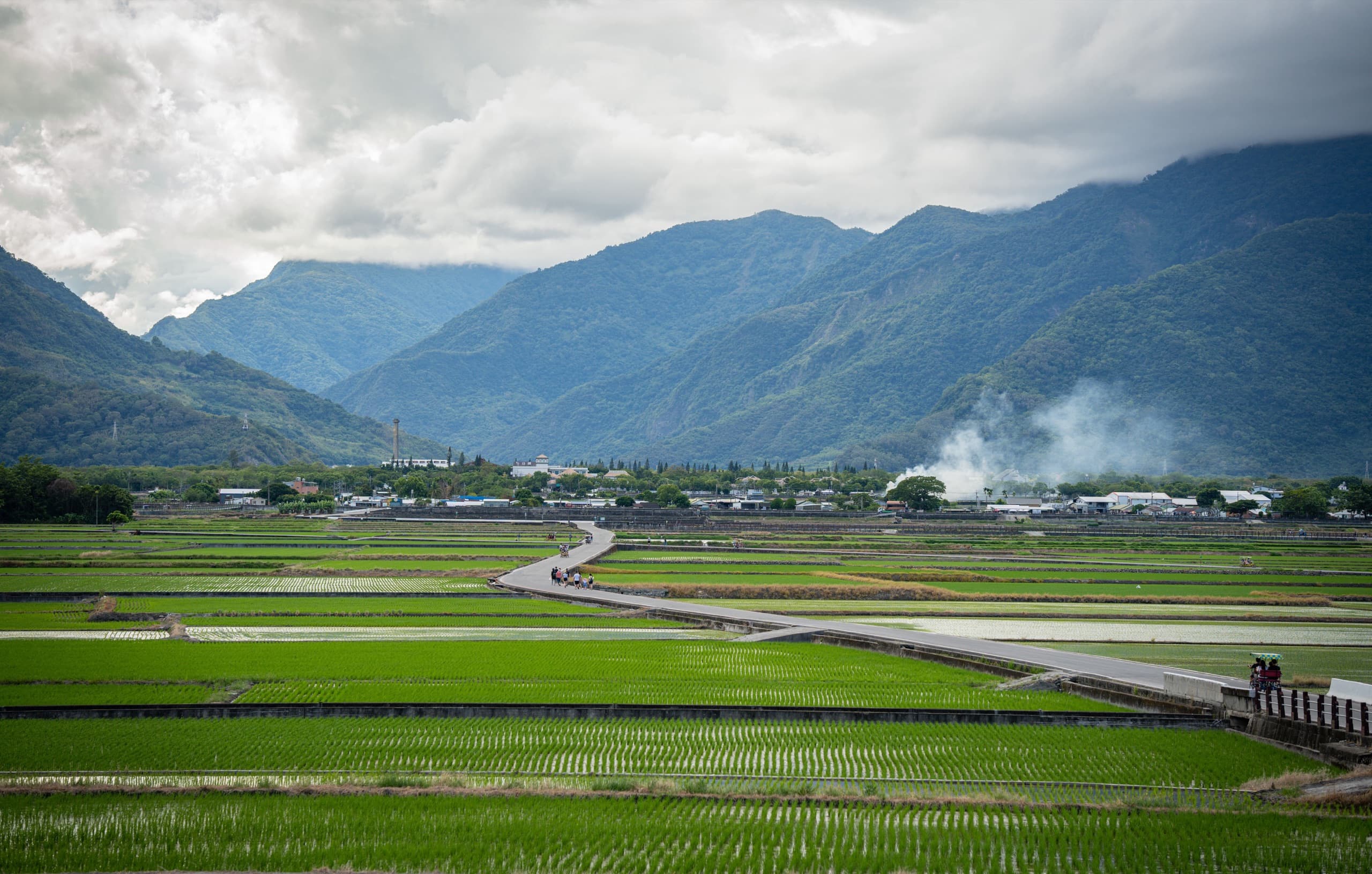
Chishang · Four Seasons of Rice · A Story About Time
One Gust of Wind, and the Whole Valley Begins to Move
The rice fields of Chishang come in more than the two colours you see on Instagram. Across a single year — turning the soil in January, transplanting seedlings in March, the heads emerging in May, the grain filling out in July, the harvest in October, the fields resting in December — every stage has its own scenery and its own rhythm. As people who live in Taitung, we've written out the whole year of Chishang's rice waves for you, timed to Brown Boulevard, the Takeshi Kaneshiro Tree, Dapo Pond and the Autumn Harvest Rice Art Festival, so you'll know exactly when to come.
2026-05-31 · 6 min read
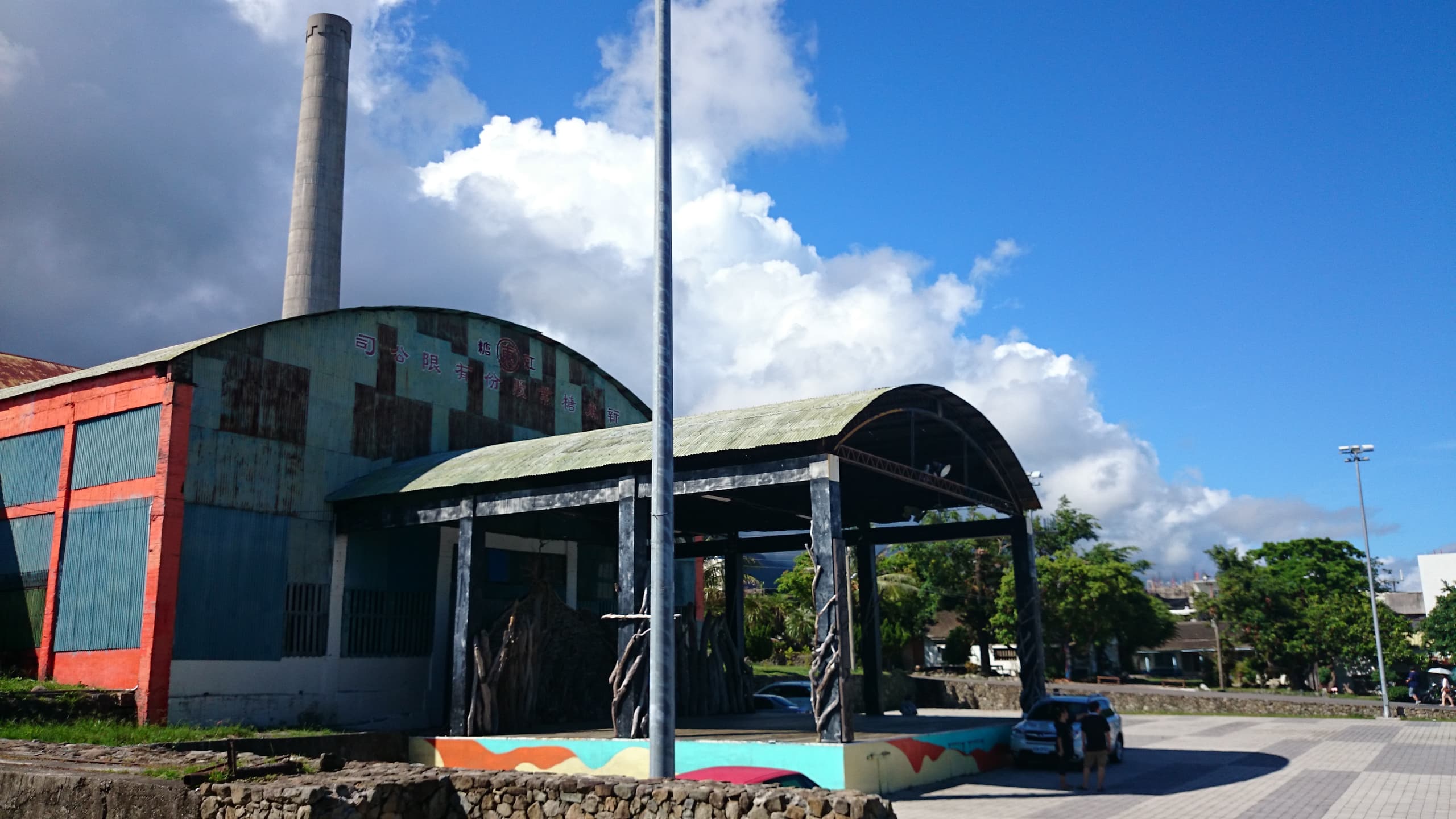
Dulan · A Small Town of Art · A Story for One Afternoon
One Sugar Factory, a Crowd of Artists, and the Sea
Dulan (都蘭) began as an Amis (阿美族) village. After the Xindong Sugar Factory fell idle in the 1990s, it slowly became an artists' colony — woodcarving, ceramics, music residencies, cafés, surfers. One place name holds three things at once: Indigenous culture, contemporary art, and the ocean. Written for anyone who wants to take in everything that makes Taitung different in a single afternoon.
2026-05-31 · 5 min read
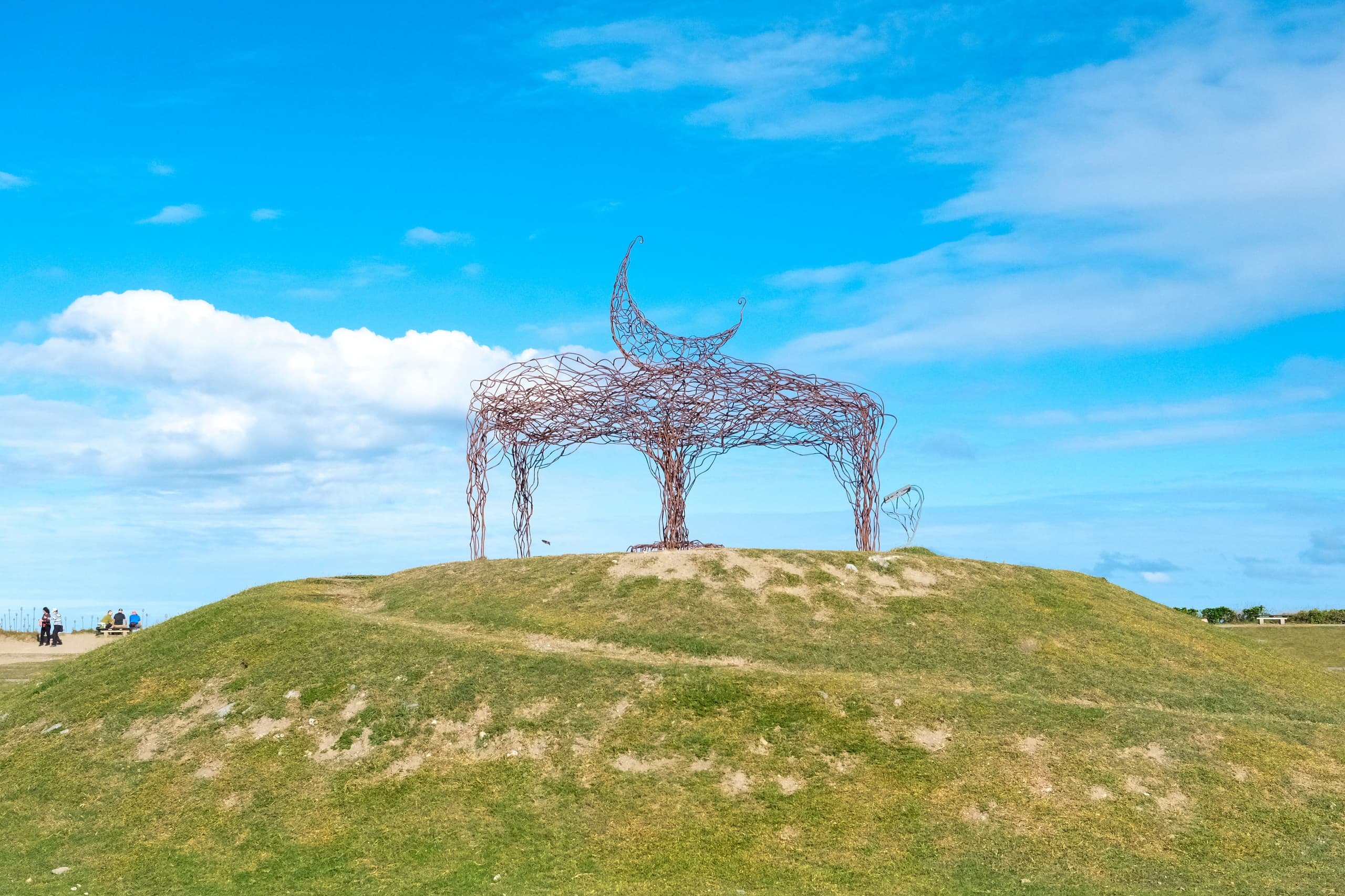
Jialulan · Driftwood Art · A Story Carried on the Sea Wind
A Piece of Wood the Sea Brought Back, Made Into Art
The Jialulan (加路蘭) coast sits at the 157.7K mark of Provincial Highway 11 in Donghe Township, Taitung County. Its name comes from the Amis (阿美族) word "kararuan" — the place for washing hair. Every year after the typhoons, the Pacific carries driftwood from the deep mountains back to the shore — and the East Coast National Scenic Area hands that wood to artists, who turn it into land art kept on permanent display. Sea-carved rock, a tide pool at low water, an open horizon at sunrise — written for travellers who don't want to climb a mountain, but still want the sea to move them.
2026-05-31 · 4 min read
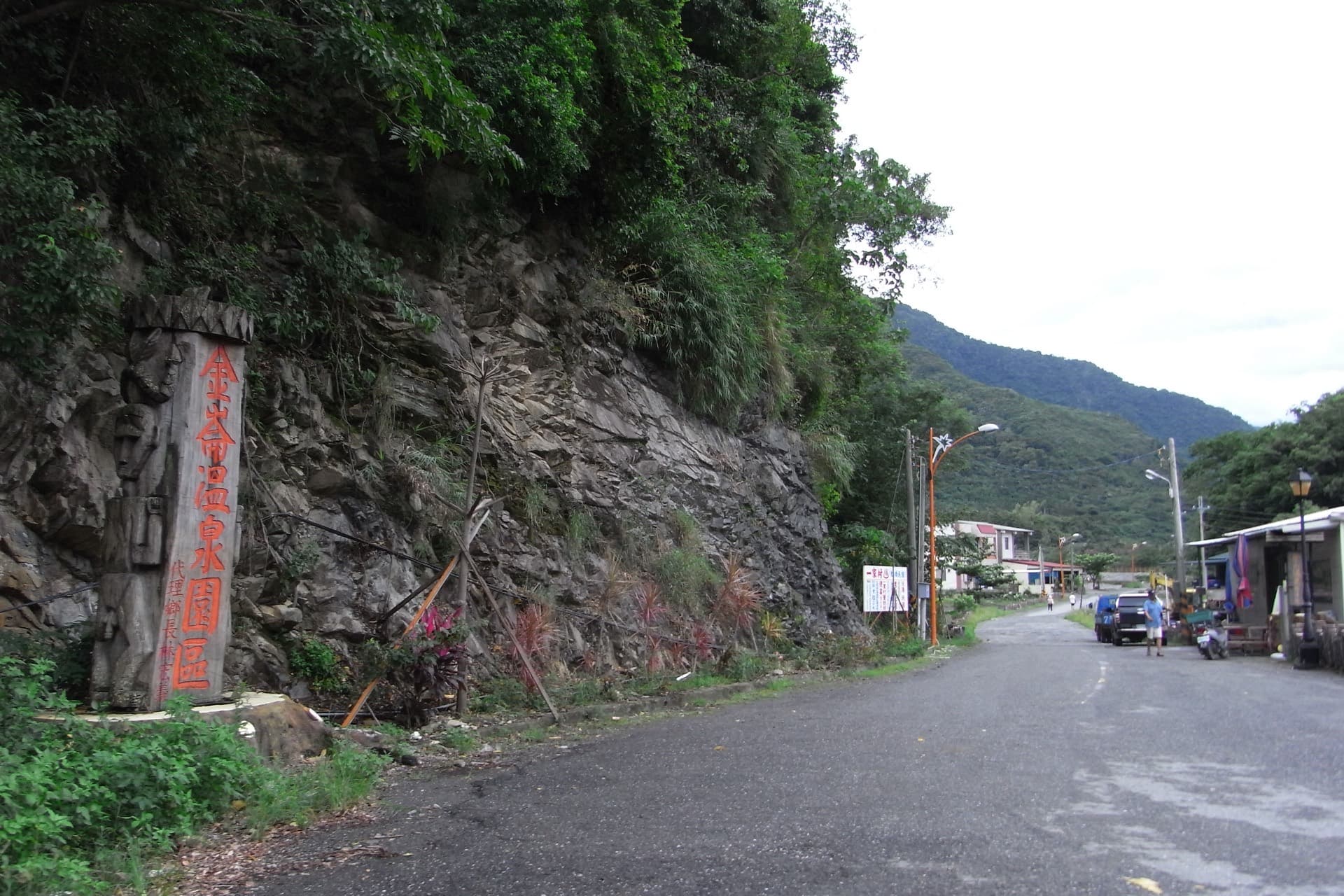
Jinlun · Paiwan Village Hot Spring · A Story from the South Link
Not a Spa Hotel — the Village's Own Bathhouse
Jinlun is a Paiwan (排灣族) village in Taimali Township (太麻里鄉), Taitung. The hot springs along the Jinlun River have been known since the Japanese colonial era — but unlike Zhiben (知本), Jinlun has stayed almost entirely free of large hotel chains. Mildly alkaline sodium-bicarbonate water at 70–99°C, a private soaking room in nearly every home, in-room pools at village guesthouses, soaking rooms with Pacific views, and Jinlun's beach just a short walk away. Written for travellers who want to dodge the crowds and feel a Taitung village hot spring as it really is.
2026-05-31 · 5 min read
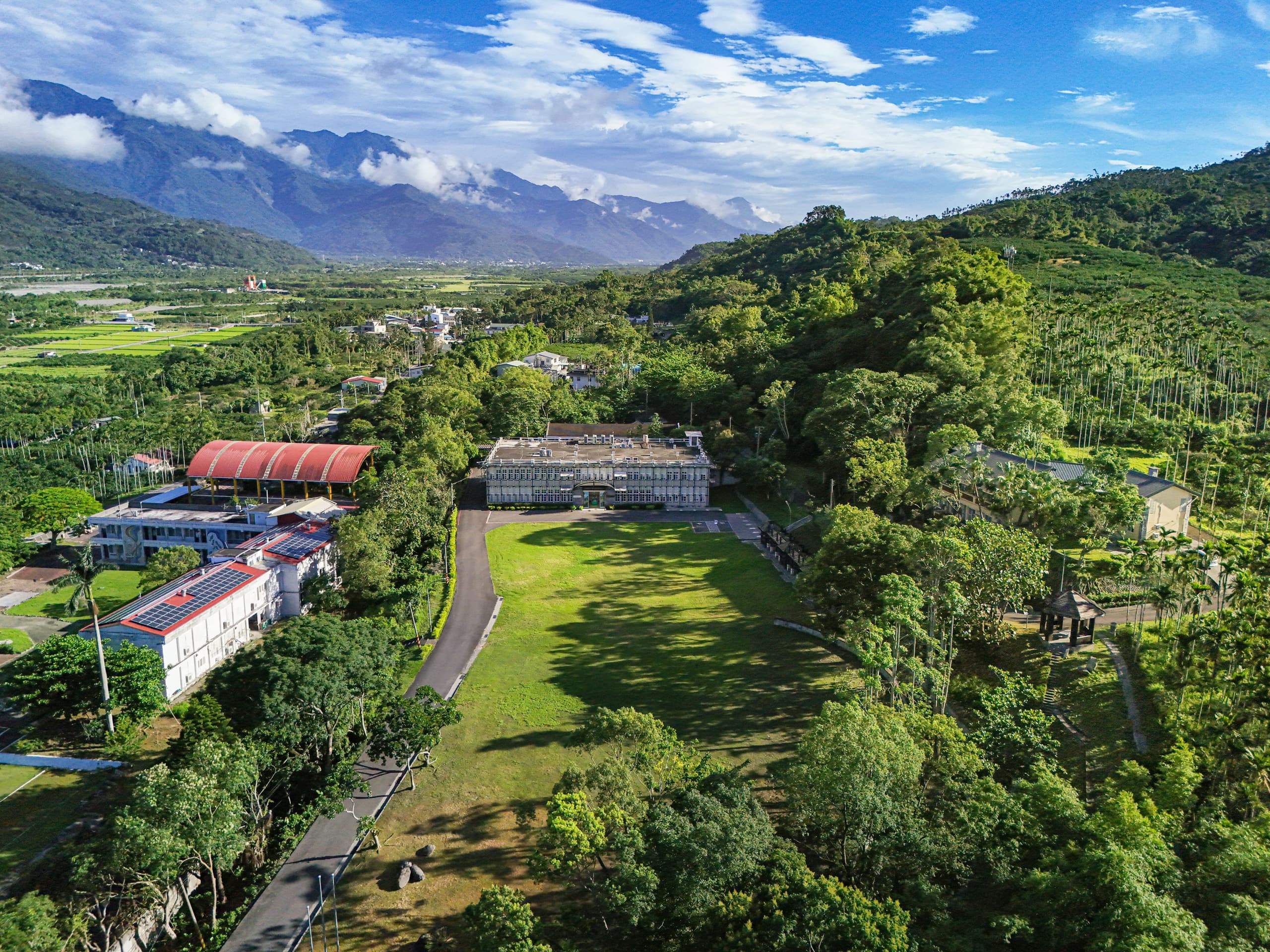
Lidao · A Village in the Clouds on the South Cross-Island Highway · A Bunun Story
At 1,068 Metres, a Bunun Village Sits on the Shoulder of the Clouds
The Bunun village of Lidao sits at around the 175K mark of Provincial Highway 20 (the South Cross-Island Highway) in Haiduan Township, Taitung County, at an elevation of 1,068 metres — the highest village in the county. Here the Bunun grow cold-climate vegetables, sow millet, and raise peaches, with the Central Mountain Range and a sea of clouds all around. For travellers who want to discover that "Jade Mountain isn't the only place with a sea of clouds," and who want to meet the Bunun people.
2026-05-31 · 5 min read
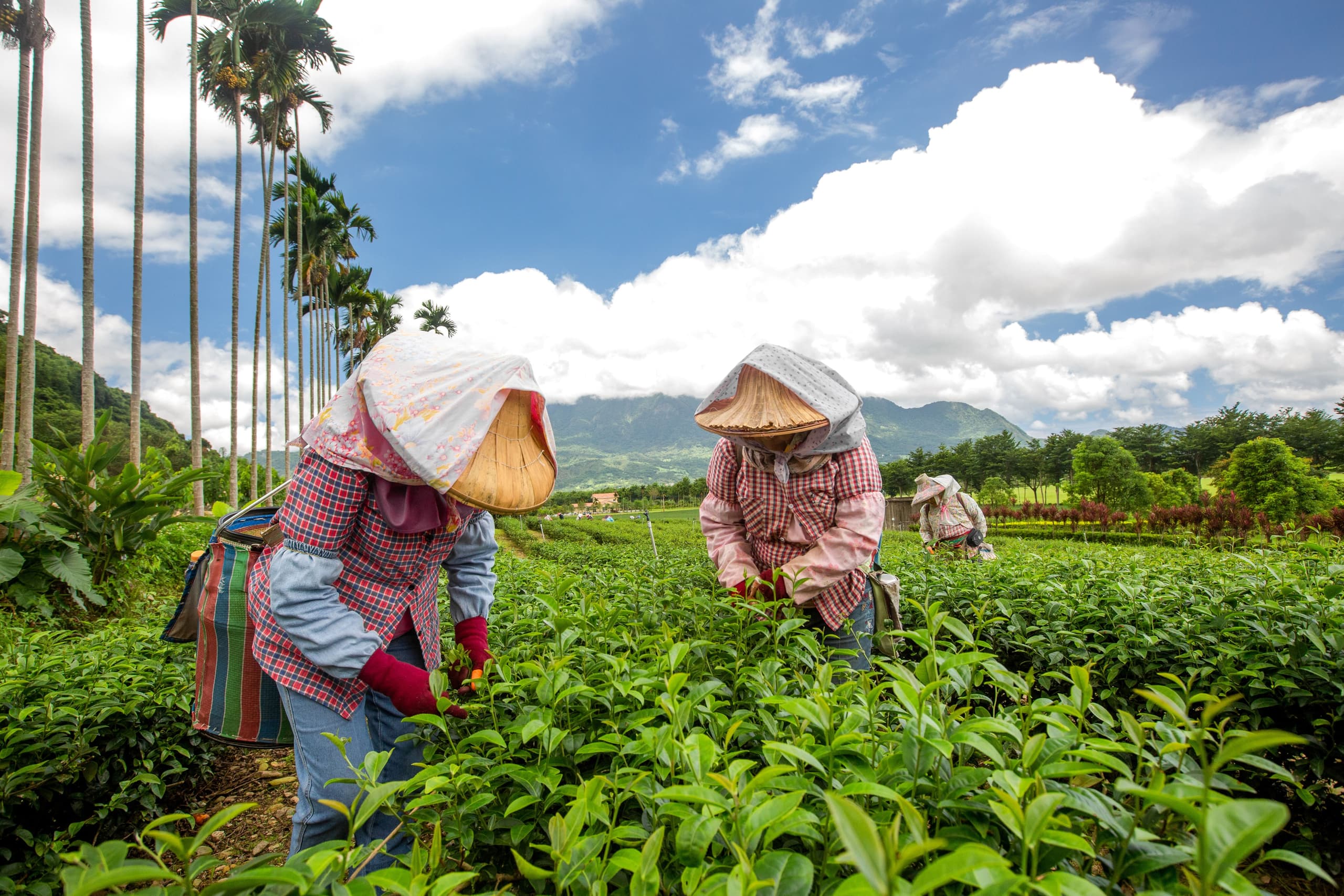
Luye · Red Oolong · An Afternoon in the Tea Gardens
Red Oolong Won't Tell You Its Story Until the Third Steep
Luye is more than hot-air balloons. Around the Luye Highland, at 350 metres above sea level, lies the birthplace of Taiwan's red oolong. Half-fermented, with a liquor the colour of orange-red amber, the taste of ripe fruit on the tongue and a sweet returning finish — this tea was developed by the Taitung agricultural research station in 2008, and to this day only a handful of tea regions, Luye, Zhiben and Beinan among them, can coax out its singular honeyed note. Written for the traveller who, once the balloons have gone up, would rather stay behind and drink slowly through a whole afternoon.
2026-05-31 · 5 min read
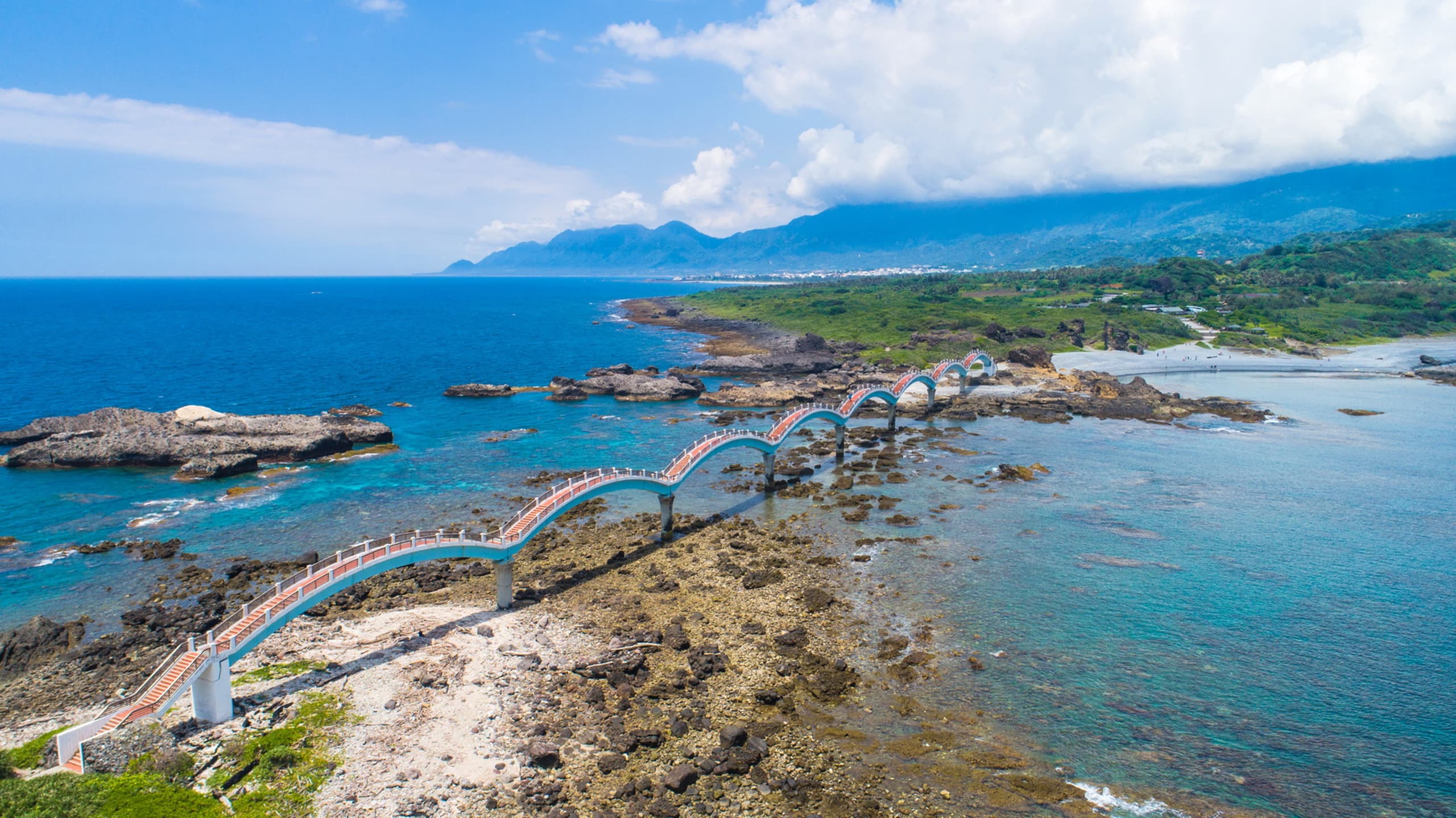
Sanxiantai · The Bridge Over the Sea · A Myth Made of Stone
The Bridge Is Closed. Is Sanxiantai Still Worth It?
Sanxiantai (三仙台) is the most famous coastal landmark in Chenggong (成功), Taitung — three offshore rock islets linked to the mainland by Taiwan's most iconic eight-arch bridge over the sea. Puyuma legend says the immortals Lü Dongbin, Li Tieguai, and He Xiangu once paused here, leaving behind the rock they call Footprint Rock. The sunrise is its finest hour; the evening light is glorious too — a world-class seascape just ten minutes from the flying-fish season at Chenggong Fishing Harbour.
2026-05-31 · 5 min read
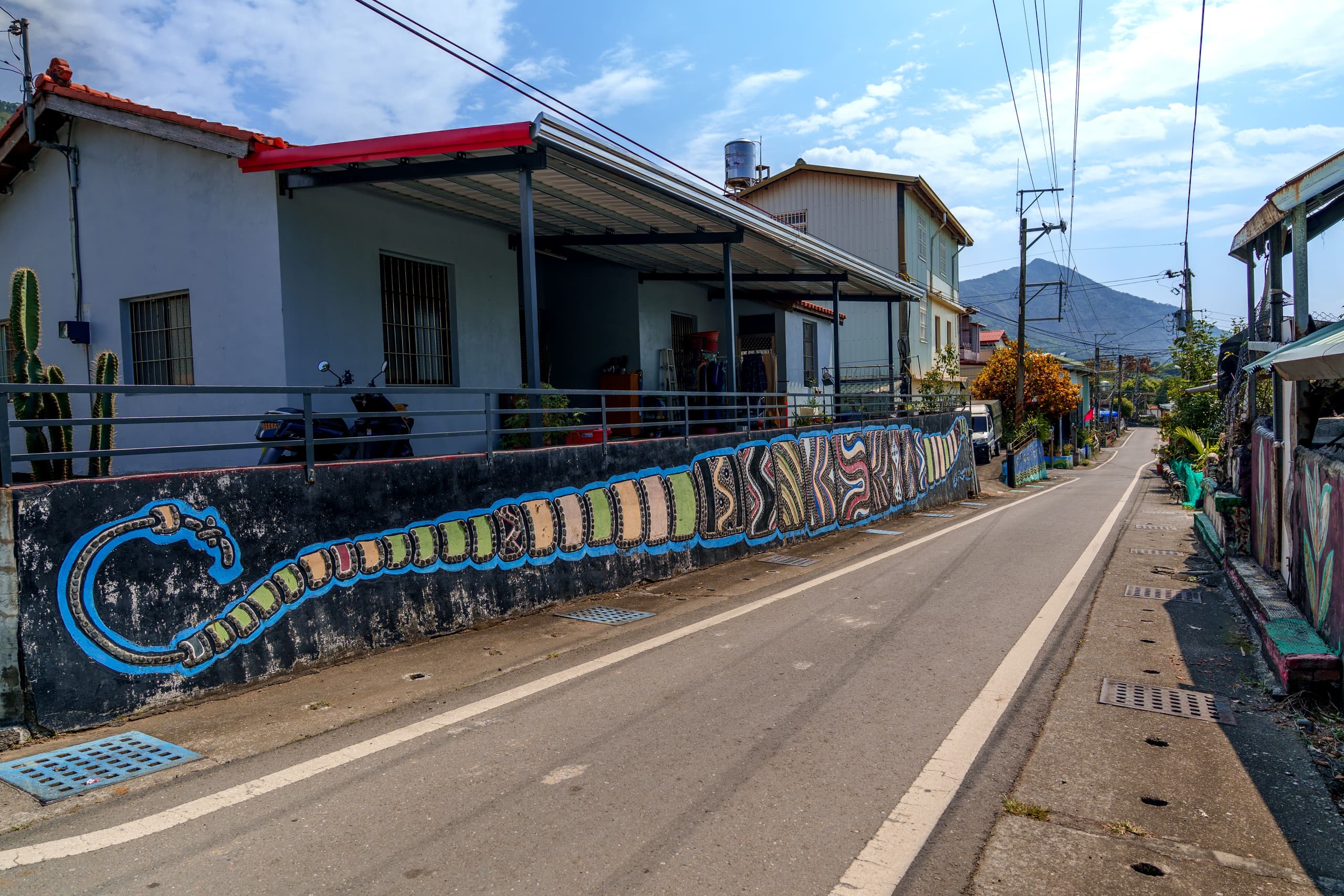
Taromak · Eastern Rukai · A Tribal Story
Millet and a Swing: Home of the Eastern Rukai
Taromak (達魯瑪克) is the only purely Rukai settlement within Taitung County, and the single village anywhere in Taiwan belonging to the Eastern Rukai (東魯凱) people. Each July the kalralisiya millet harvest festival and the talraisi swing festival are the tribe's most important rites — men ride a six-metre wooden swing before the alakowa men's house while the women wait below to receive them, a marriage-and-coming-of-age tradition three hundred years deep. Written for travellers who want to see that the Rukai are not only Wutai in Pingtung, and who want to understand what makes the Eastern Rukai unique.
2026-05-31 · 5 min read

Daren · The Alangyi Trail · A World-Class Story
The Last Stretch of Coast With No Road
The Alangyi Trail (阿朗壹古道) runs between Nantian in Daren Township, Taitung, and Xuhai in Mudan Township, Pingtung. It is the one stretch of Taiwan's round-island highway (Provincial Highway 26) that was never punched through — and the last truly wild coastline left on the island. It lies within the Xuhai-Guanyinbi Nature Reserve, so you must apply online to enter and walk with a licensed guide. Cross the Nantian pebble beach and the steep climb over Guanyinbi, and you'll see a Taiwan with no asphalt — only the Kuroshio Current and the waves.
2026-05-29 · 5 min read
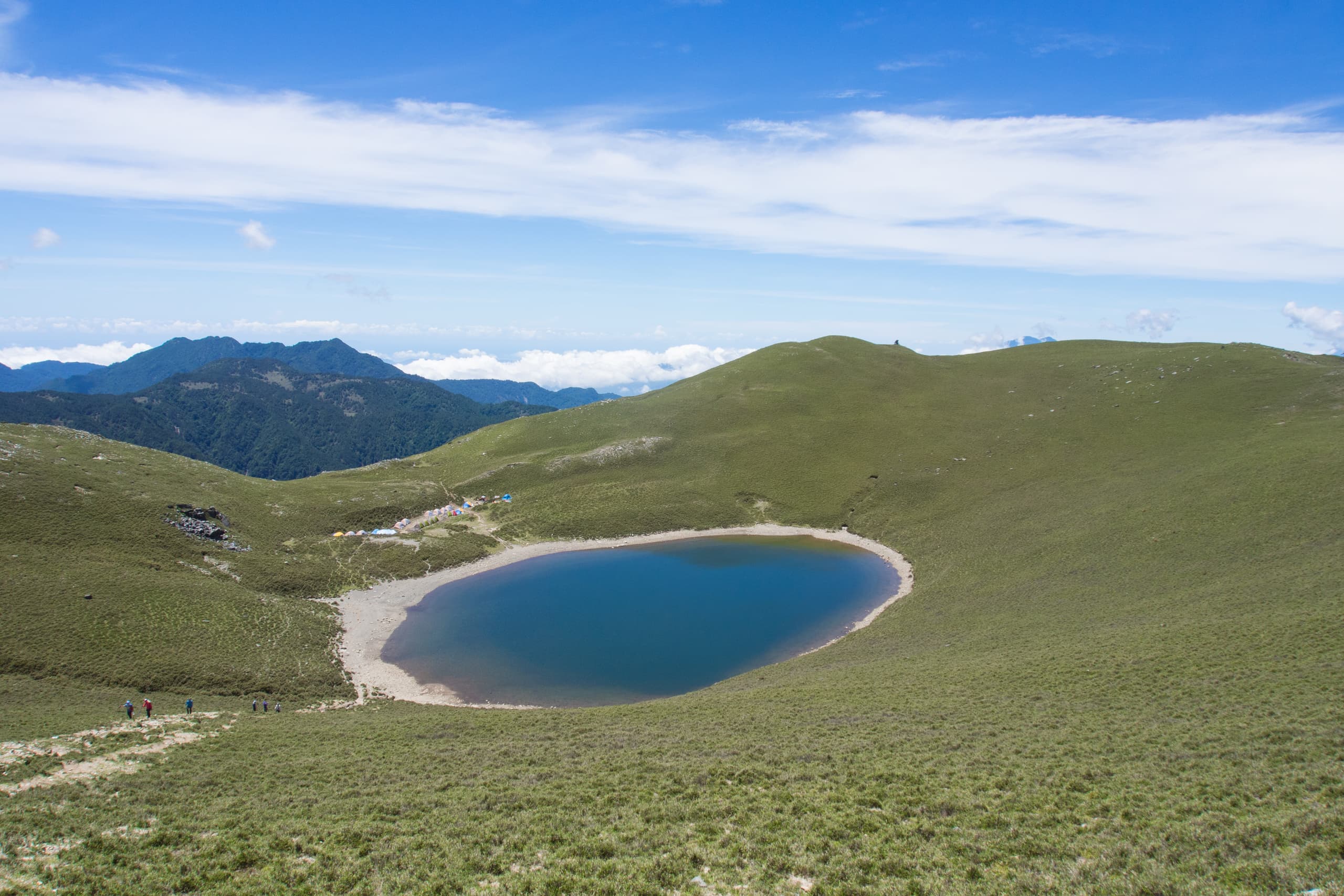
Haiduan · Jiaming Lake · A World-Class Story
The Tear an Angel Dropped on the Mountain
Jiaming Lake lies in Haiduan Township, Taitung County, on the South Section Two of the Central Mountain Range, at roughly 3,310 metres, and is known as the Angel's Tears. Its origins are still debated (theories include a meteorite impact and glacial remnants). With no obvious inlet or outlet, its waters rise and fall with the seasons and mirror the sky. The route begins at the trailhead in the Xiangyang National Forest Recreation Area, passing Mount Xiangyang and Mount Sancha — about 13 km one way, usually a 2–3 day trek, requiring online permits for entry and mountain huts.
2026-05-29 · 5 min read
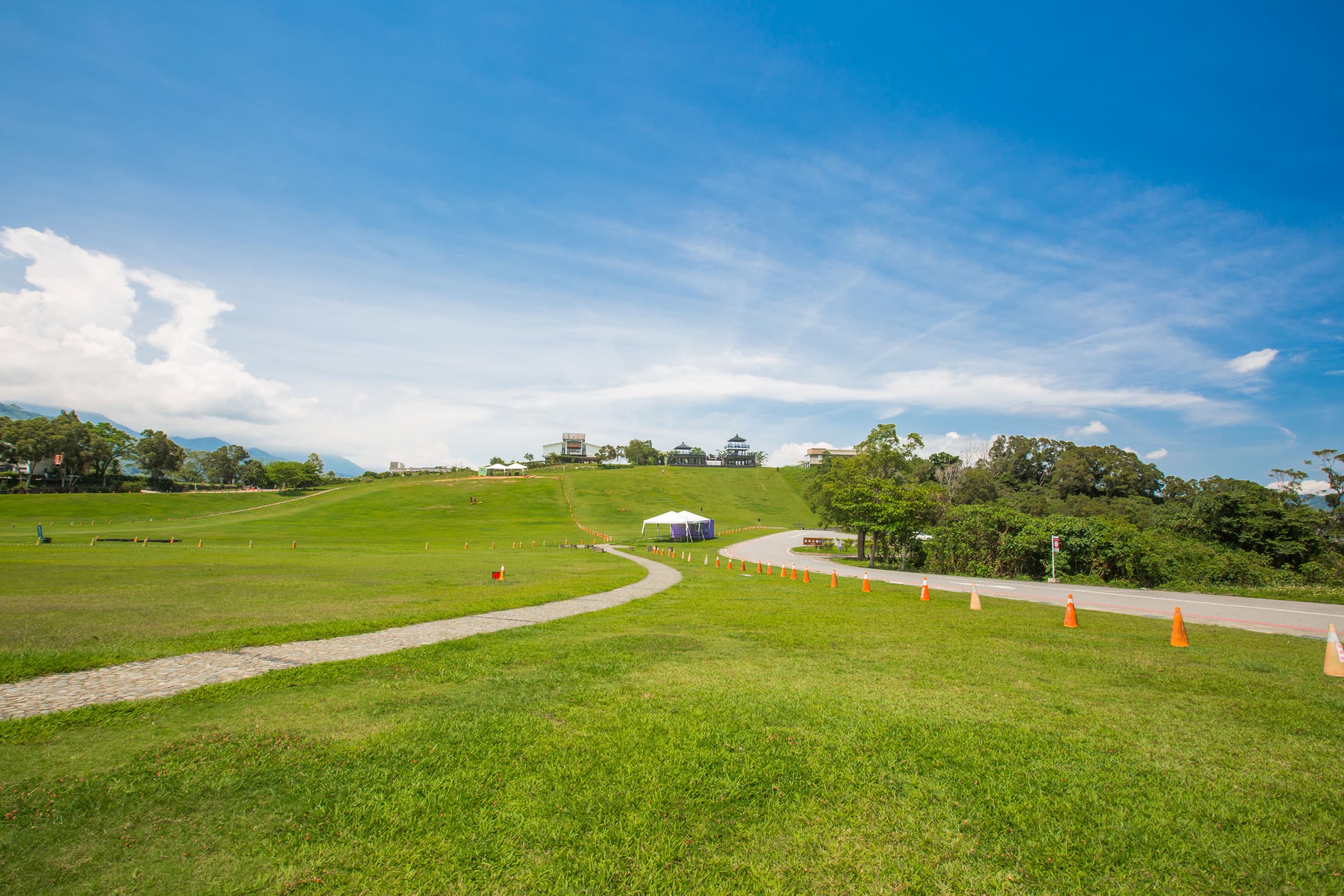
Luye · Sika Deer Park · A story for parents and children
The Place Where the Deer Walk to You
Luye's Sika Deer Park, often called "Taiwan's Little Nara," is one of Taitung's most beloved family destinations. Semi-wild sika deer roam freely across the meadow, and children can feed them by hand and meet them up close. The park sits right beside Luye Highland and Chulu Ranch, making it a perfect stop after the hot-air balloon festival. An unhurried Taitung afternoon — for children to run wild and grown-ups to let go.
2026-05-29 · 4 min read
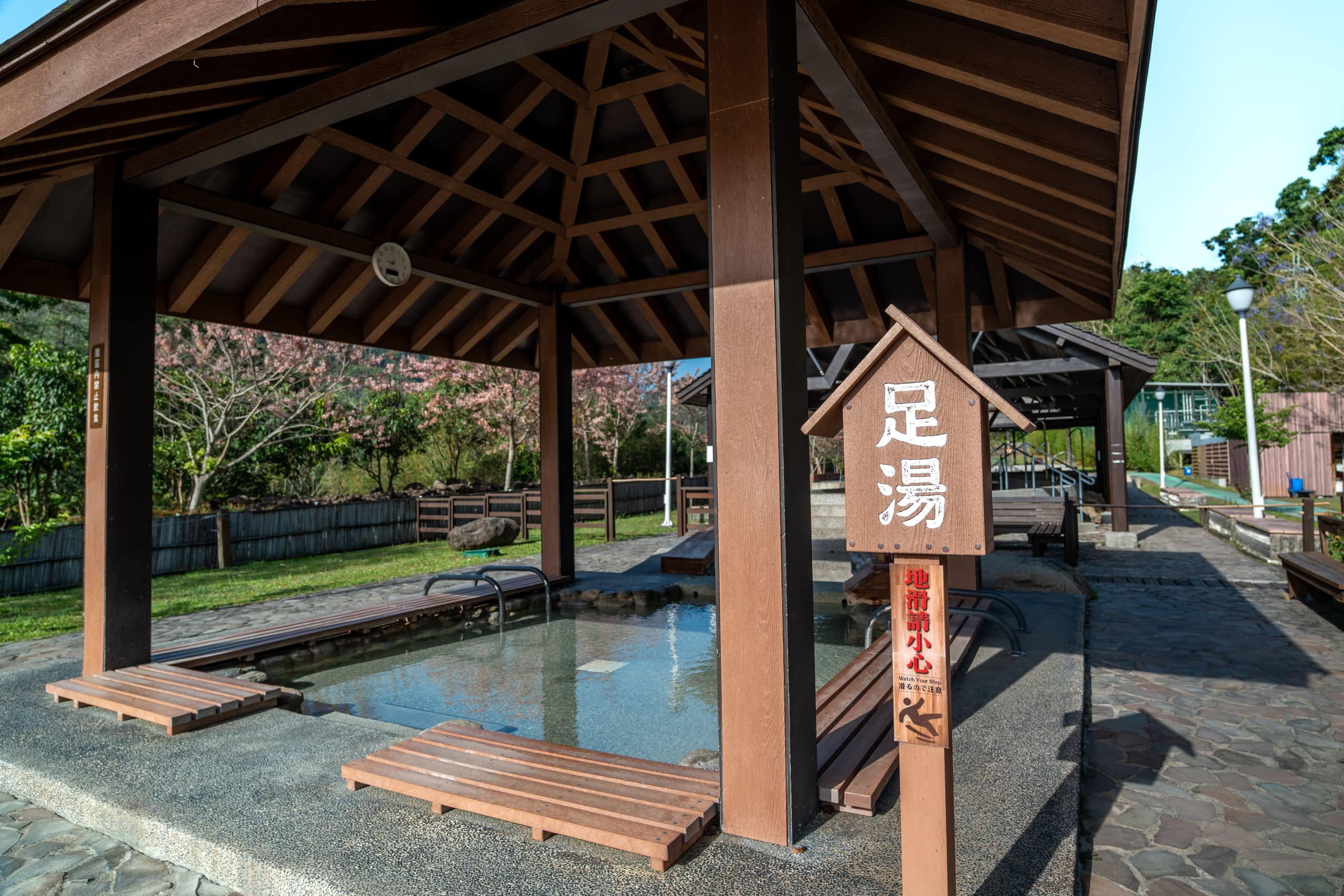
Zhiben · Restorative Hot Springs · A Story About Slowing Down
Doing Nothing Is Also a Way of Arriving
Zhiben is Taitung's most celebrated hot-spring town, long known as "the finest scenery in eastern Taiwan." Its waters are a colorless, odorless alkaline-carbonate spring — affectionately called the "Beauty Spring" — rich in minerals and gentle on body and mind. Wrapped in the dawn mist of Zhiben National Forest Recreation Area and paired with an afternoon pot of Luye Red Oolong, Zhiben isn't a place to "do" things. It's a place to let yourself slow down.
2026-05-29 · 5 min read
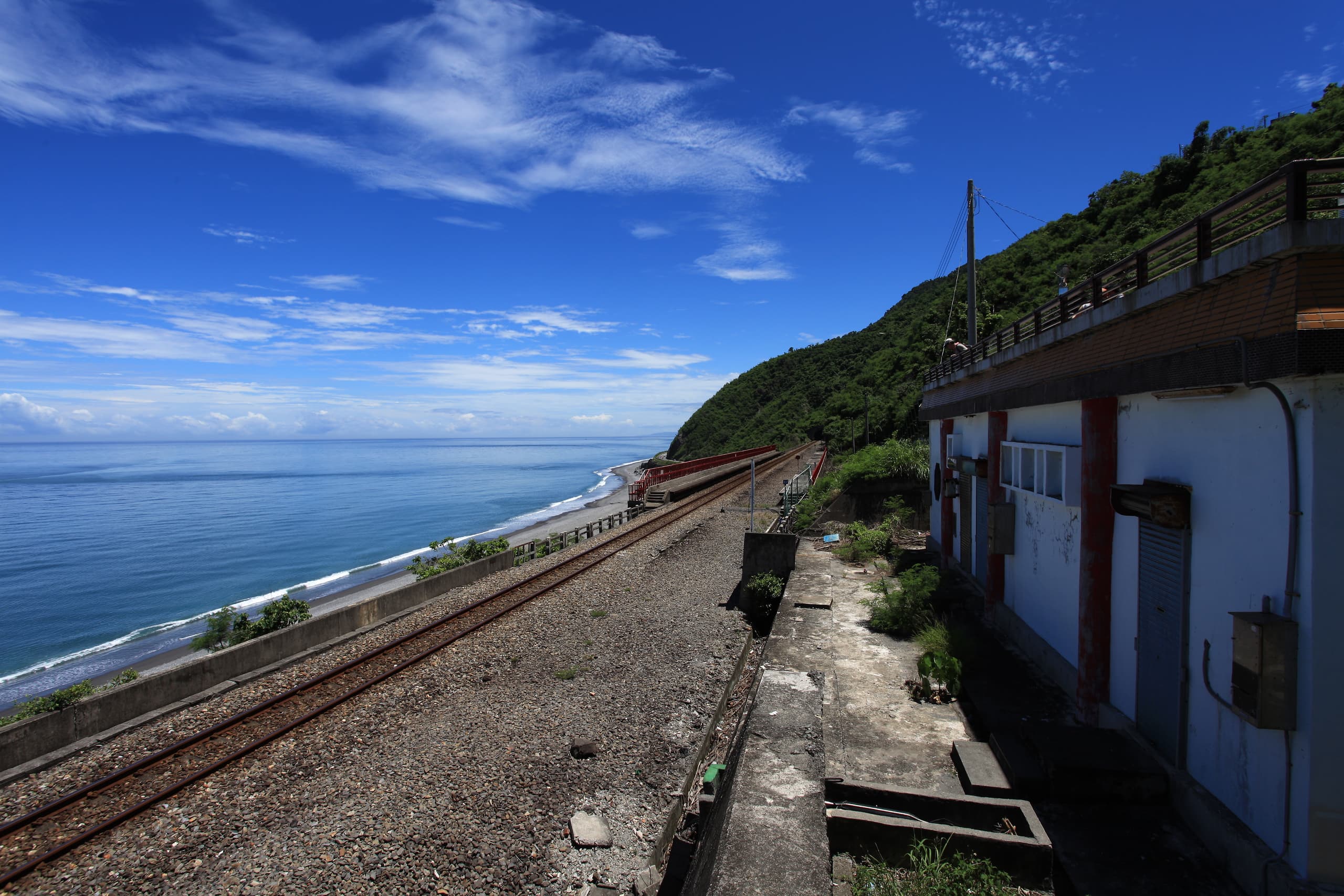
Duoliang · Taiwan's Most Beautiful Station · A South-Link Story
The Platform Above the Sea
Duoliang Station sits in Taimali Township, Taitung County. It opened in 1992 and was decommissioned in 2006. Its platform faces the Pacific head-on, earning it the title of Taiwan's most beautiful railway station. Though no train stops here anymore, this elevated platform built into the hillside still draws countless travellers who come to gaze out at the bluest stretch of the east coast.
2026-05-28 · 4 min read
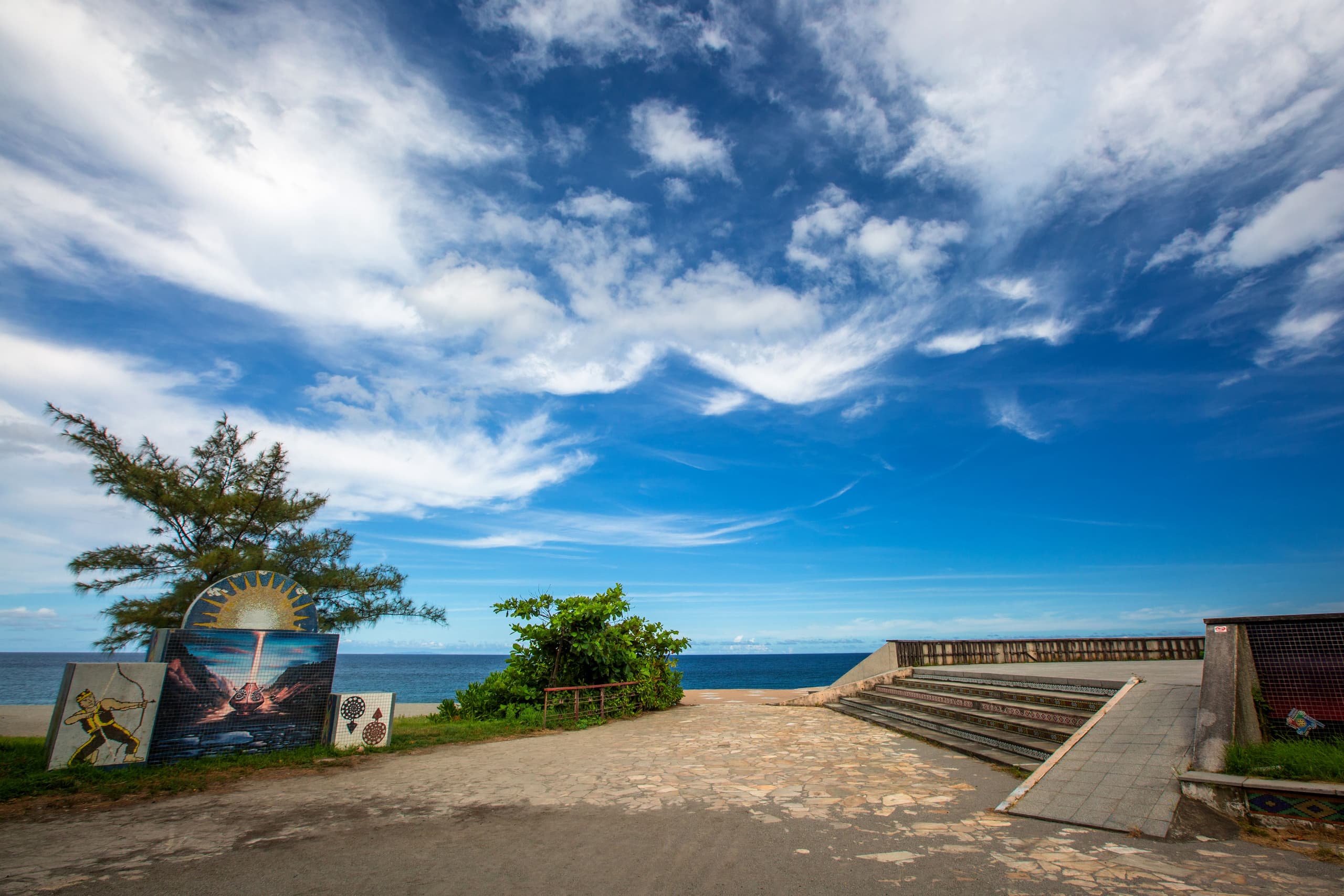
Taimali · Land of the Rising Sun · A Story of First Light
Taiwan's First Light
In the language of the Paiwan people, Taimali means "the place where the sun rises." In the year 2000, this was the spot chosen to welcome Taiwan's first millennial dawn. From a sunrise climbing straight off the Pacific, to a railway crossing that looks lifted from the anime Slam Dunk, to the sea of clouds at first light atop Jinzhen Mountain — Taimali is the part of Taiwan that wakes the earliest.
2026-05-28 · 4 min read
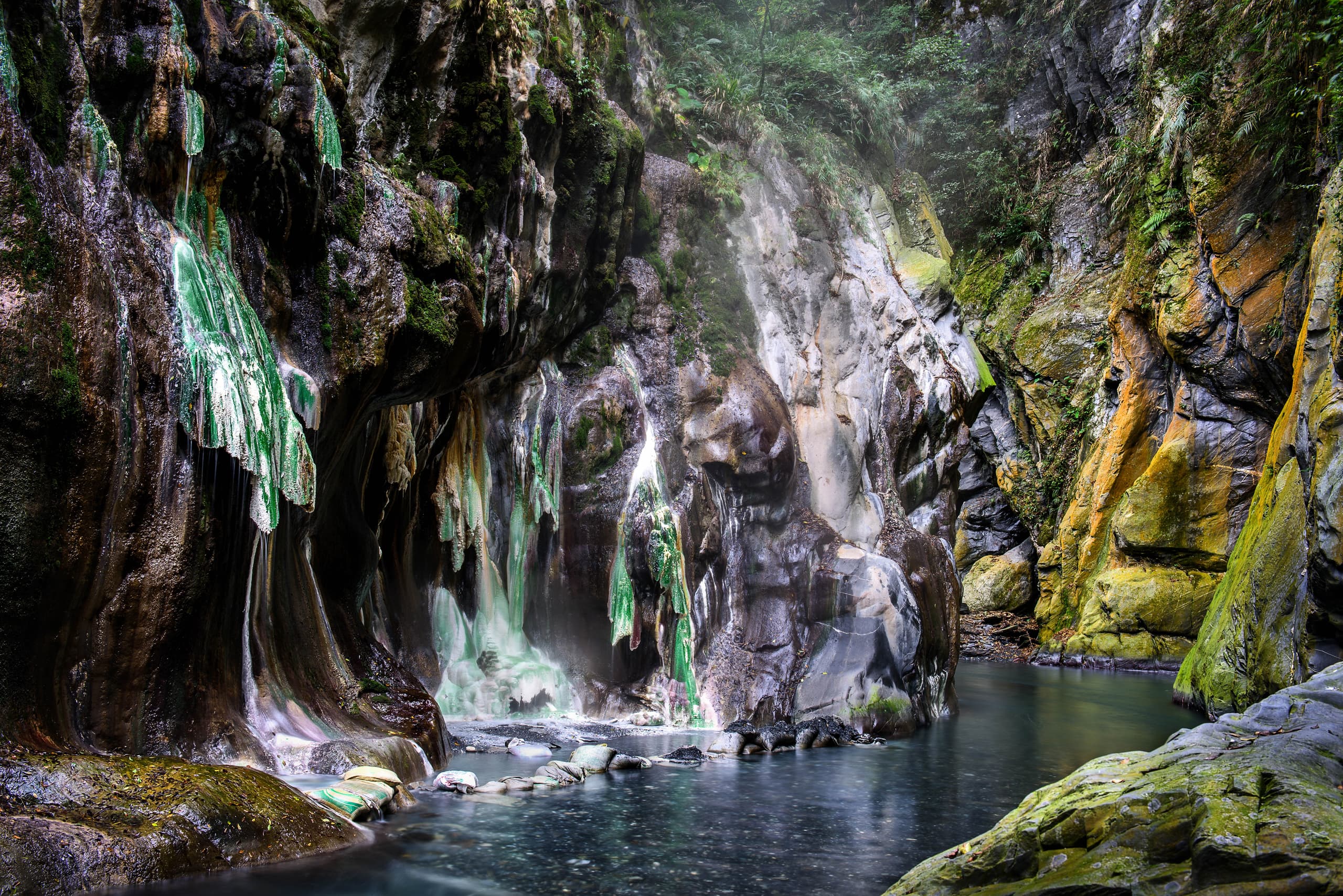
Haiduan · Lisong · A World-Class Story
The Jade in the Deep South-Cross Valley
Lisong Hot Spring, often called "Taiwan's most beautiful spring," sits at the 168.5K mark of the South-Cross Highway, 1,547 metres above sea level. The cliff face is sheathed in calcium-carbonate crystal and jade-green spring grass, white steam curling from the rock — a wonder hidden in the deepest fold of the valley. Only those willing to scramble and rope down for 40 to 60 minutes ever see it.
2026-05-27 · 5 min read
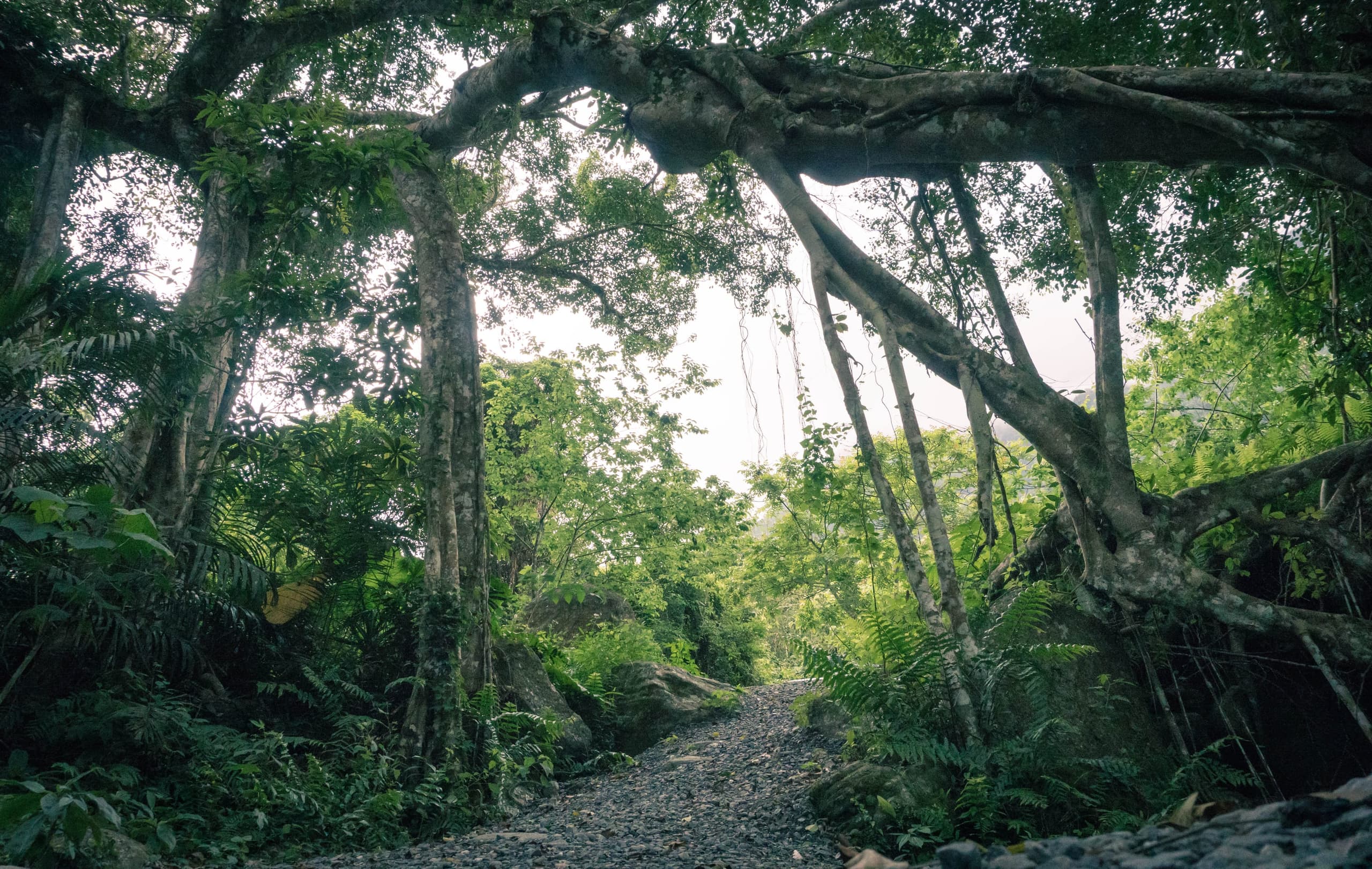
Luanshan · SaZaSa · A Tribal Story
The Trees That Walk
The walking trees of Luanshan (鸞山) in Taitung. SaZaSa, the Bunun name for this land, means "a place where the sugarcane grows tall, the animals thrive, and the people live well." This is the true story of curator Aliman, who spent twenty years saving these mountains.
2026-05-26 · 6 min read