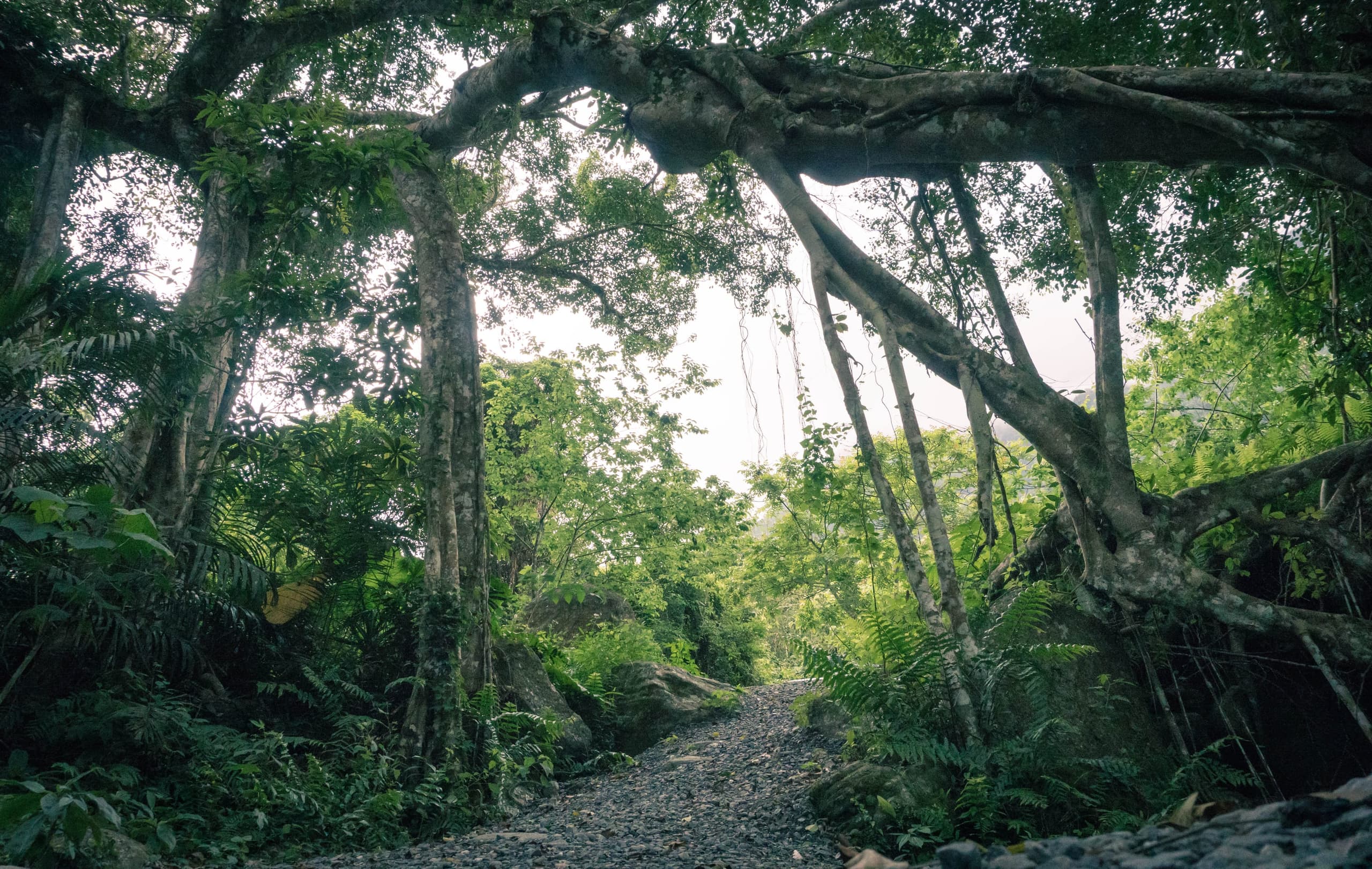
Luanshan · SaZaSa · A Tribal Story
The Trees That Walk
A grove of banyans whose roots walk across the earth, a home one Bunun man spent twenty years rescuing.
部落編輯室·Updated 2026-05-26 · 6 min read
In Taitung, there is a tree that walks.
It lives in the Luanshan (鸞山) tribe, at the southern end of the Coastal Mountain Range. From central Taitung it is roughly a forty-minute drive up — around Luye (鹿野), onto Provincial Highway 197, then over the Luanshan Bridge. The road is narrow, unlit; after a few bends the phone loses signal. But it is in that moment without signal that you begin to feel it: this place has been waiting for you to slow down.
It is a large-leaved banyan of the mulberry family (桑科大葉白榕), its aerial roots as thick and sturdy as its trunk, broad enough that it takes several people to reach around it. When those aerial roots drop to the ground and bury themselves in the earth, they become new pillar roots; and so the tree, slowly, year after year, "walks" outward. That is where its name comes from.
You will sometimes hear it said that the floating forests of Avatar or the woods of a Miyazaki film were inspired by trees like these. We have found no reliable evidence for that — and the walking banyan needs no borrowed fame. Standing beneath it, watching its roots stride out across the earth, is enough.
Three Syllables: SaZaSa
The Luanshan tribe does not call itself Luanshan. In the Bunun (布農族) language, this land is called SaZaSa (撒札撒).
「A place where the sugarcane grows tall, the animals thrive, and the people live well
」
This was no slogan dreamed up by a tourism bureau. It is what the people of this land, generation after generation, have come to call their own home. The sugarcane, the animals, the people — all three must be well, or it is not yet SaZaSa.
The Forest That Almost Vanished Twenty Years Ago
Twenty years ago, a development consortium set out to buy the grove of giant banyans above the Luanshan tribe — to build a columbarium, to build a resort.
The people would not stand for it. The curator, Aliman (阿力曼), raised money wherever he could and bought the land back parcel by parcel, founding the Indigenous Homeland Reconstruction Foundation, which in time became what is today the Luanshan Forest Culture Museum (鸞山森林文化博物館). It is one of the few museums in Taiwan run by Indigenous people themselves, built to protect ancestral land. It was never meant to court tourists — it turned "remaining undeveloped" into a vocation.
「You do not come here to be pampered or to wait to be served. This is a place to learn how to live in harmony with nature, and to learn.
」
「When a people are given the chance to hold on to their own land — what becomes of their attitude, their thinking, their way of doing things?
」
And when people ask him how large this forest museum is, he often answers like this:
「The forest museum has no front gate; the gate is in the human heart. Anyone willing to guard this land can open a door to it. The museum is as large as your heart is wide.
」
Before You Enter the Mountain
Before going into the forest, there is an entrance ritual. Three things are laid out on the table: a bottle of red-label pure-rice wine (紅標純米酒), a packet of betel nut (檳榔), and the skull of a wild boar (山豬頭顱骨).
Every visitor must speak aloud the words in their heart — to the mountain god, to the ancestral spirits. Not silently; out loud. The people explain the rule this way:
「A wish must be spoken aloud, or the ancestral spirits cannot hear it
」
When you drink the rice wine you must finish it all; this is the respect owed to the ancestors. And once you are inside the forest, please switch off your phone, and walk in quiet, with a humble heart ready to learn.
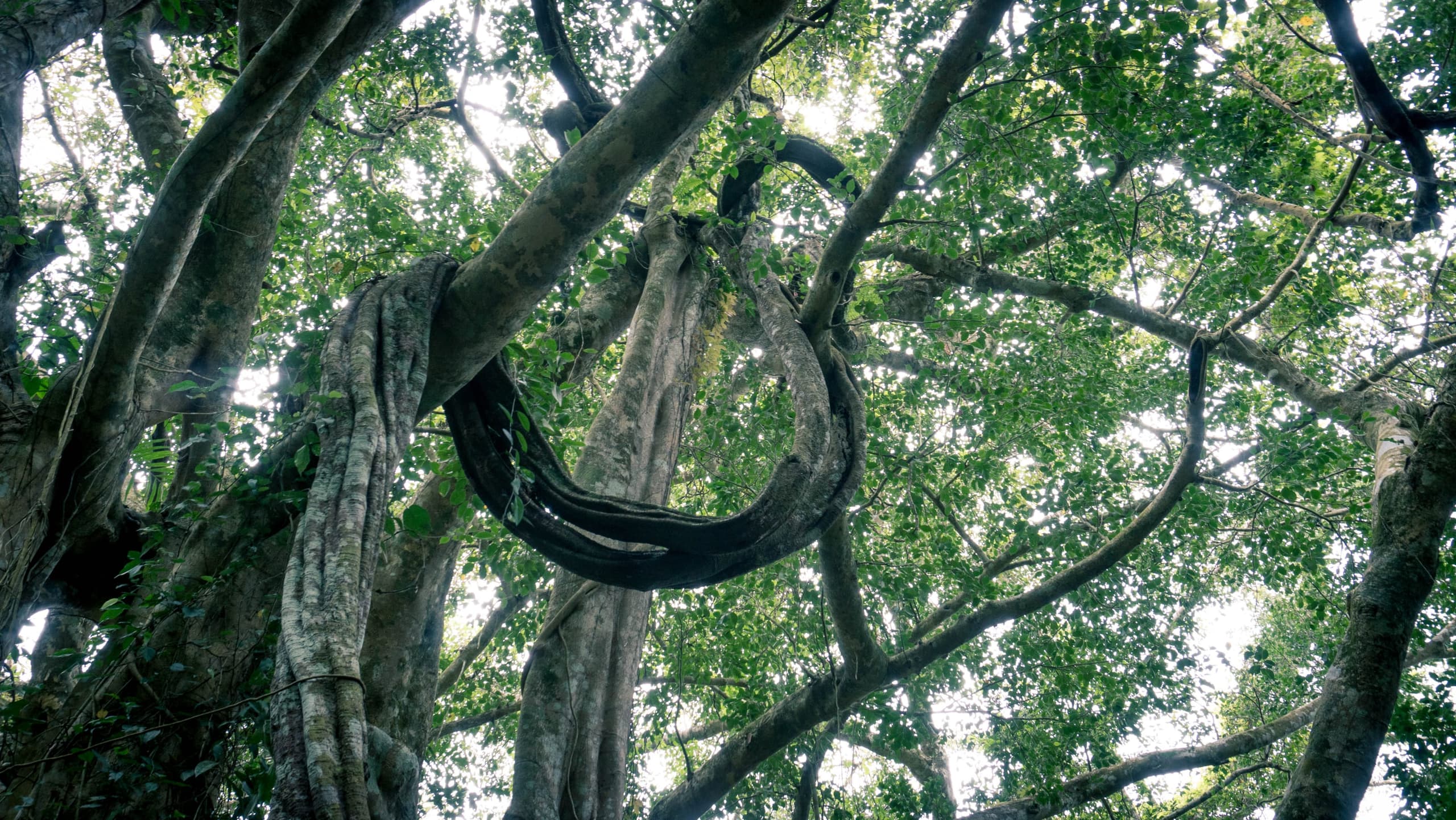
A Word Called "Lalai"
Within the forest there is a partner farm called Lalai Plum Garden (拉來梅園). "Lalai" is the Bunun word for cicada (蟬).
「The cicada lives more than a decade beneath the soil before it breaks the earth to greet a brief one or two months of sunlight, raises a happy next generation, and then returns to its joyful heaven
」
This is how the farm's owner sees this land — a long, patient accumulation, a brief shining, and then a return to the earth. A single word in the mother tongue tells the whole of a worldview about life.
"You're Still Alive" — A Bunun Greeting
The Bunun once lived scattered across the mountaintops, where to meet another person was no easy thing — it might be half a year, it might be a whole year between encounters. So when they met, they did not ask "How are you," nor say "Good morning." What they said was:
「Uninan ~ Miqomisang! — Thank you; you're still alive
」
In a single phrase, the simple fact of being alive becomes something to give thanks for. It is a way of speaking you rarely hear anymore in the city.
Wind, Bees, Waterfalls
The Bunun are most famous for their eight-part polyphony (八部合音). They say this sound comes from three things in nature —
- The hum of bees on the move as they migrate
- The echo of wind passing through the mountain forest
- The sound of stones tumbling underwater as a waterfall pours down
The songs of the Bunun were not composed; they were listened back out of nature itself. This too is why they switch off their phones when they enter the forest — because the forest is already singing.
Want to Go Yourself?
The Luanshan Forest Culture Museum runs its own official experience programs. Here is the public information (please confirm with the official source):
- Meeting point: No. 21, Luanshan Road, Luanshan Village, Yanping Township, Taitung County (the Luanshan Police Station, Highway 197 at the 41K mark)
- Official booking: Luanshan Forest Culture Museum, 0911-154-806 (08:00–20:00)
- Official fee: full-day experience — adults / primary-school children NT$ 600; kindergarten children NT$ 400; pre-kindergarten free (transfers not included)
- Bring your own: reusable bowl and chopsticks, water bottle, gloves, rain gear
- Mountain-entrance offering: one bottle of red-label pure-rice wine + one packet of betel nut to honor the ancestral spirits (your guide will direct you)
Lalai Plum Garden is another partner experience site within the Luanshan tribe, run by a separate team from the forest museum. Both are operated by local tribal people, and both take reservations.
Want to walk this tribal depth into a full journey? See Luminous Roots: 4 Days — guided by a team that lives in Taitung, moving slowly to the rhythm of the people, with Luming Hot Spring Hotel as your home throughout.
Next —
Want to turn this place into a trip?
Leave the car, the stay, the food, and the guide to us — a team that actually lives in Taitung. Message us on LINE with where and when, and we'll make it real.
A rough plan & quote the same day · no charge unless you're happy · no hard sell
See the related trip →Image credits
- Hero: 五星台東旅遊 · 五星台東旅遊 · 自有著作
- Secondary: 五星台東旅遊 · 五星台東旅遊 · 自有著作
Sources
More stories —
Other local stories
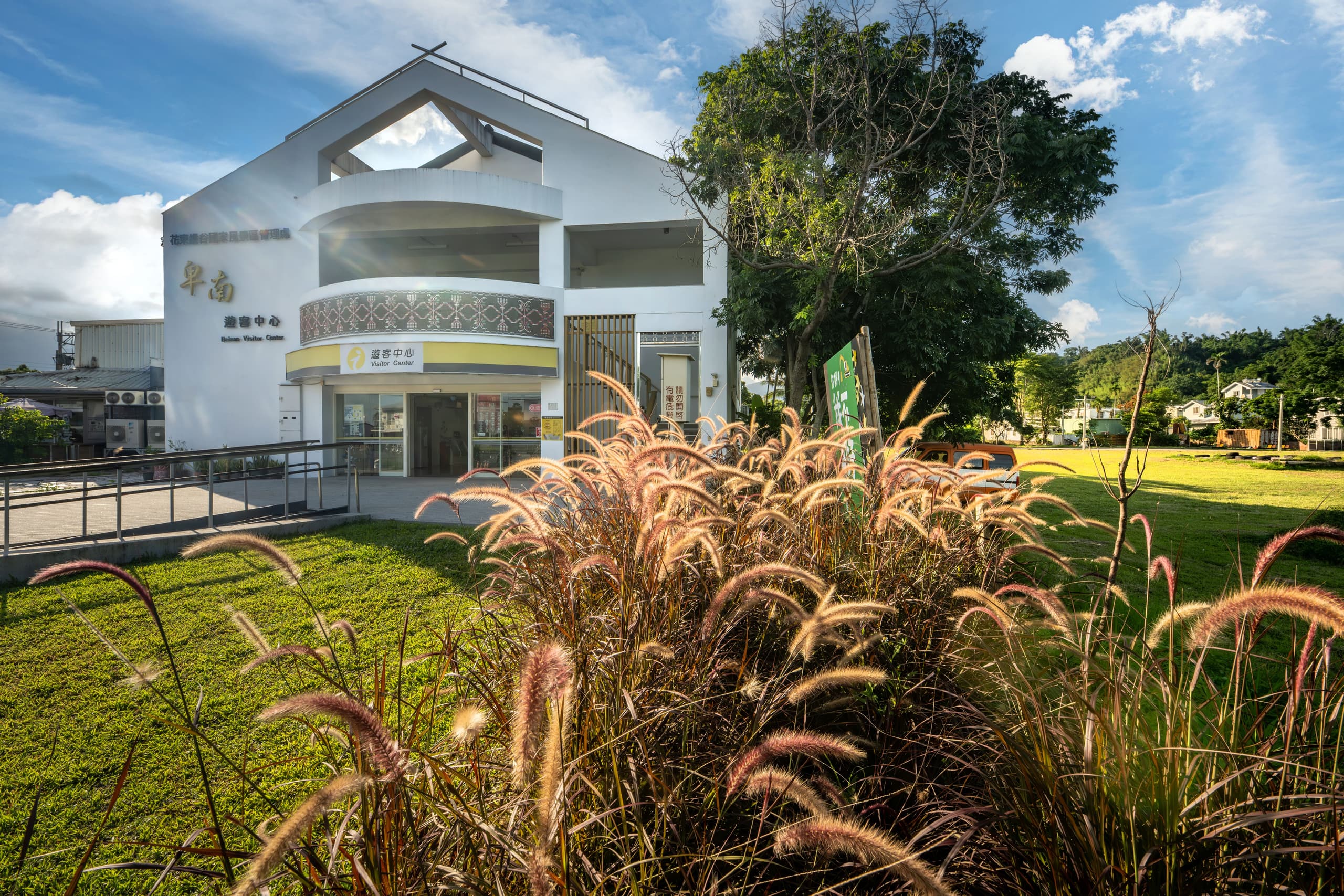
Beinan Site · Prehistoric Culture · A 5,000-Year Story
5,000 Years Ago, People Were Already Lighting Fires, Eating, and Burying Their Dead in Taitung
The Beinan Site, beside Kangle Station in Taitung City, is the largest prehistoric settlement ever found in Taiwan and the largest slate-coffin burial ground anywhere in the Pacific Rim and Southeast Asia. The Beinan Culture, which flourished here from roughly 5,000 to 2,300 years ago, left behind a complete record of dwellings, graves, jade, and pottery. Discovered in 1980 during construction of the South-Link Railway, it was excavated under archaeologists Sung Wen-hsun and Lien Chao-mei, yielding about 1,600 burials, over 99% of them slate coffins. The crescent stone pillars (3,500 years old) are the most striking remains still standing on the surface. For travellers who want to understand that Taitung was not first settled a mere hundred years ago.
2026-05-31 · 6 min read
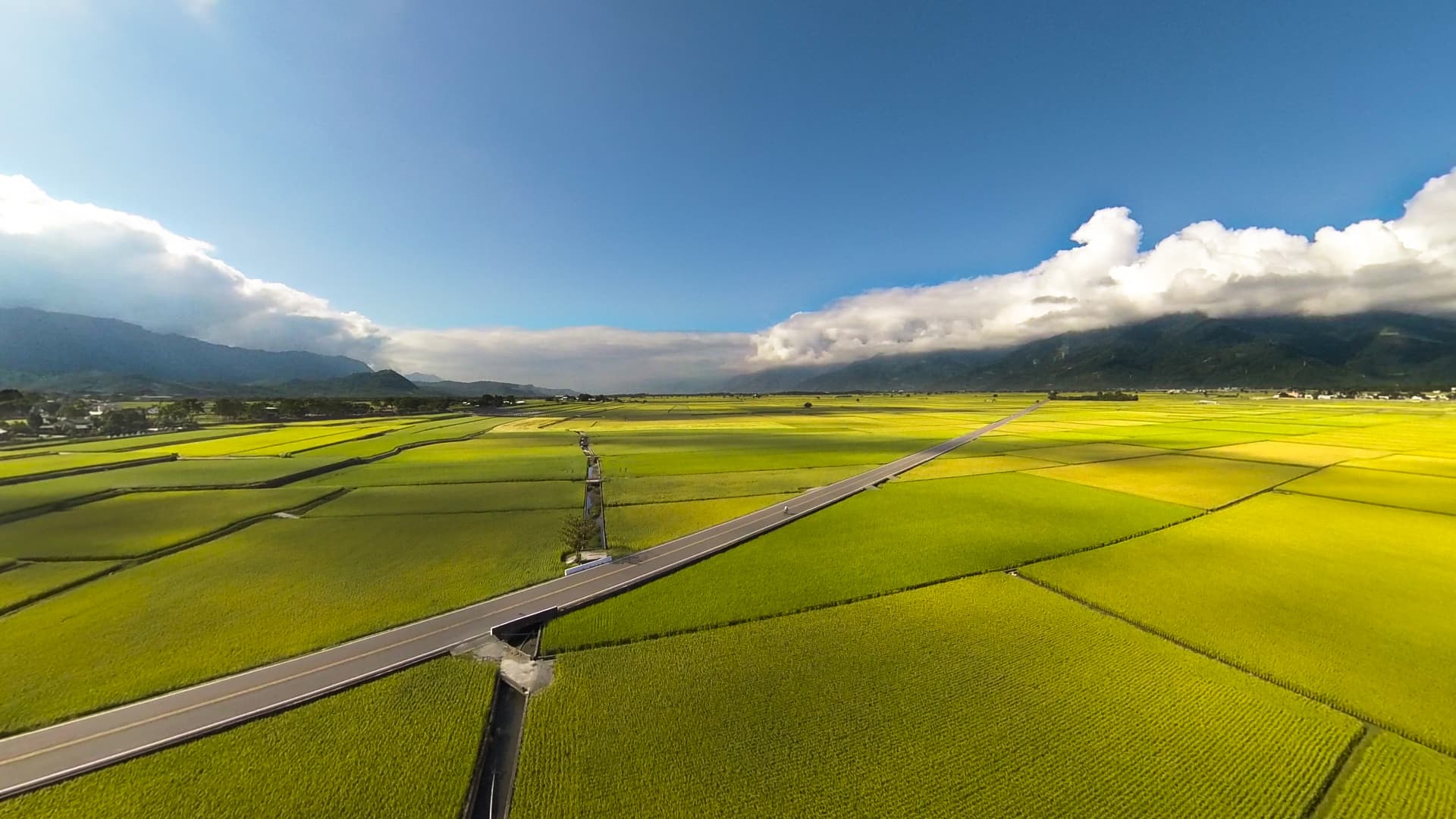
Brown Avenue · The Version Without the Photo Line · A Story from Chishang
A Tree Named "Tea Offering," Lent for a Decade to a Movie Star
Brown Avenue runs 2.2 kilometres along Jinxin Road No. 3 in Chishang Township, Taitung, deliberately kept clear of power poles and houses. After Takeshi Kaneshiro drank tea beneath its bishopwood tree for an airline commercial in 2013, the road became famous overnight — but since 2023, the official name of the "Takeshi Kaneshiro Tree" has reverted to its original "Tea Offering Tree." As people who live in Taitung, we offer you the truest story of this road — including the tree's real name, how Chishang locals actually ride it, and which season is right.
2026-05-31 · 5 min read