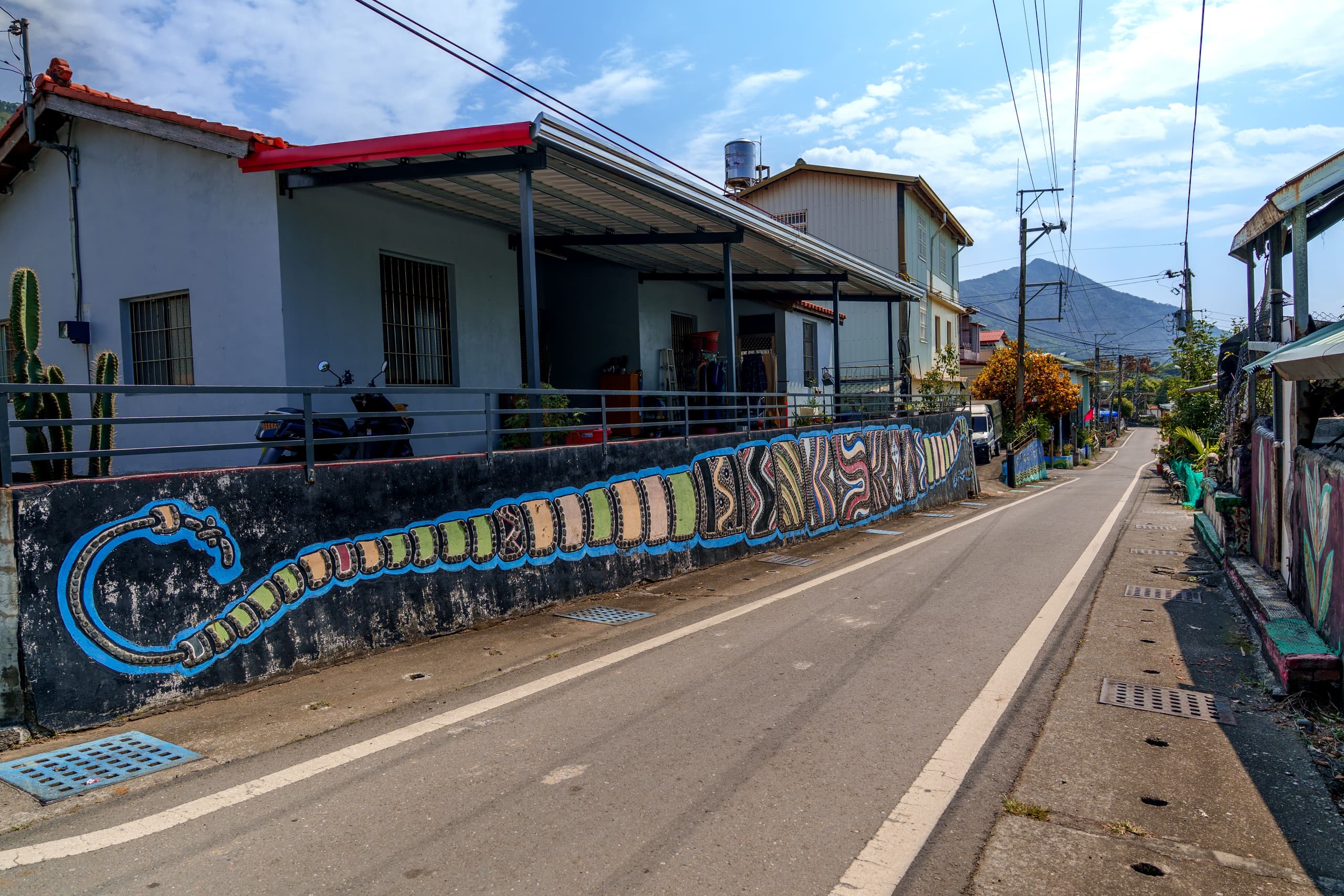
Taromak · Eastern Rukai · A Tribal Story
Millet and a Swing: Home of the Eastern Rukai
In July, the men of Taromak ride a swing six metres into the sky while the women wait below to catch them. This is a rite three centuries old, handed down at the alakowa men's house — and Taromak is the only Rukai village in all of Taiwan that still keeps it.
部落編輯室·Updated 2026-05-31 · 5 min read
Drive north out of Taitung city and cross into Beinan Township (卑南鄉).
Past the turn for Zhiben Hot Spring (知本溫泉), past that bend on Dongxing Road, the mountains begin to draw near.
The village of Taromak (達魯瑪克) sits there, on the shoulder of that mountain.
The Only Rukai in Taitung
Taiwan's Rukai people (魯凱族) number around 13,000, scattered mainly across Wutai and Majia in Pingtung, and Maolin, Duona, and Wanshan in Kaohsiung.
But among those 13,000 Rukai there is one branch apart — the Eastern Rukai (東魯凱).
In all of Taiwan, the Eastern Rukai have only this one village: Taromak. Some 300 years ago, the ancestors of the Eastern Rukai crossed over the Central Mountain Range and settled in what is today Dongxing Village (東興村), Beinan Township, Taitung County.
And so Taromak became the only home the Eastern Rukai have in the world.
Taromak Means "the People Who Live Here"
The tribe's Rukai name is Taromak — it means "the people who live here."
Under Japanese rule, the Japanese transcribed it into Chinese characters as Danan She (大南社) (she meaning "tribe"). The name lingered for a time after the war.
In recent years the tribe has campaigned to restore the transliteration "Taromak," reclaiming their own name. "Danan She" was a name given by others; "Taromak" is what they call themselves. This change of name is the tribe reclaiming its own sense of self.
alakowa: Not Just a Building, but a Social Institution
At the heart of how a Rukai village is organised stands the alakowa (the men's house).
Unmarried young men, aged 13 to 18, lived together in the alakowa, taking instruction from the elders:
- Hunting skills (reading animal tracks, setting traps, tracking)
- Combat skills (wrestling, blade work, defence)
- Keeping the history (the tribe's origins, family genealogies, the oral myths)
- The moral code (deference to the elders, respect for women, responsibility to the land)
Only at eighteen, having come of age, could a man leave the alakowa and marry.
This institution survives in Taromak to this day. Though in modern life the young more often leave for the city to study and work, the alakowa remains the heart of the tribe's ceremonies and its most important decisions.
As an elder of the village put it: "While the alakowa stands, the tribe stands. The day the alakowa vanishes is the day we are no longer Rukai."
Two Festivals in July
Taromak's two central festivals of the year are both held each July.
kalralisiya, the Millet Harvest Festival
A celebration of the millet harvest, a thanksgiving to the ancestral spirits, a handing-down of the tribe's history.
The whole village sets aside its daily work and gathers in the square before the alakowa:
- Elders chant the prayers (in the old Rukai tongue, which even the young can no longer fully follow)
- Traditional dance (men and women dancing apart — the men stamping until the earth trembles, the women swaying like ears of grain)
- Sharing millet wine, roast mountain boar, taro, and pigeon peas
- The people put on traditional dress — deep violet ground, embroidery, feathered crowns, glass beads
This is the most beautiful moment of Taromak's year. But it is not a performance, it is a rite — visitors may be invited to take part, but please respect that you must not photograph the elders, must not wander into the ritual ground uninvited, and must not refuse the millet wine a tribesperson offers you.
talraisi, the Swing Festival
Held right after the millet harvest festival, usually on the last night or the day following.
The men of the tribe raise a wooden swing five to seven metres tall in the alakowa square (four long bamboo poles lashed together, a single plank hung in the middle):
- The men take their turns standing on the swing
- The tribe pushes from below, sending the swing higher and higher
- At the highest point, a man must show his courage and his skill — letting go with both hands, balancing on one foot, or calling out his feelings to the woman he loves
- A woman stands below, cheering on the man she favours
This is part of the old marriage tradition — a man wins a woman's regard through courage and the offering of his devotion. Today it has become a festival display, yet it still keeps its original meaning.
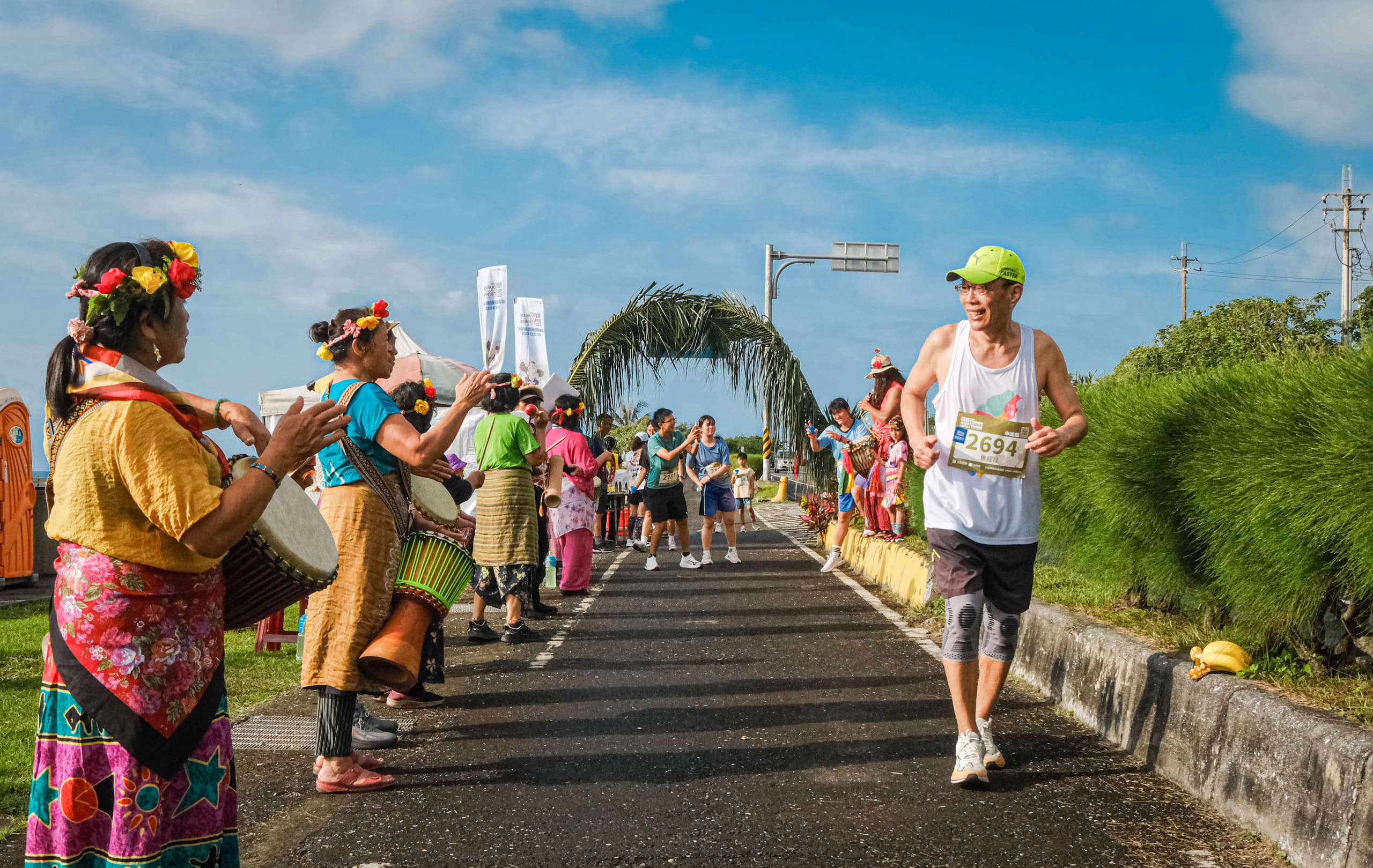
The Lily: A Sacred Flower Not Worn Lightly
One of the most sacred symbols of the Rukai is the lily.
But the lily is not for just anyone to wear:
- A man: only after taking five or more mountain boar may he wear a single lily
- A woman: only by keeping her chastity until marriage may she wear a single lily
- Those of special merit: the headman, warriors, elders may wear two or three
The lily is proof of honour, not ornament.
When you come to Taromak, if you see a tribesperson in traditional dress wearing a lily, show respect — do not say "how cute," for that belittles it. Say instead, "how full of honour."
How to Arrange an In-Depth Experience
Taromak runs a formal community eco-tourism programme, chiefly through iLra Taromak (ilrataromak.com) — operated by the tribe's own cooperative.
| Plan | What's included | Approximate budget |
|---|---|---|
| Half-day | Village tour + local-flavour meal | NT$ 800-1,200/person |
| Full day | Tour + river tracing + local-flavour meal + DIY craft | NT$ 1,800-2,500/person |
| Two days | Includes lodging, river tracing, night tour | NT$ 4,500-6,500/person |
| Three days | Full cultural immersion | NT$ 7,000-9,500/person |
An important note: during the festival season (July), some activities are open only to the tribe or to invited guests, and ordinary visitors should ask in advance which parts, if any, they may join. Do not arrive with an "I'm paying for this" attitude and demand entry to the ritual ground — the tribe will gently turn you away.
How to Reach Taromak
- By car: from Taitung city take Provincial Highway 11 north to Zhiben, then County Road 197 west into the hills, about 30-40 minutes
- By chartered car: strongly recommended, as the roads inside the village are narrow. A 9-seater from Taitung city runs NT$ 3,500-5,000 for a half-day
- By bus: the Dingdong Bus mountain line to Dongxing tribe (few departures)
Details Easy to Miss
- Taromak millet: a traditional crop the tribe has revived, more honest than any organic rice from the supermarket, a gift that carries dignity
- Dongxing Hot Spring (東興溫泉): a natural sodium-bicarbonate spring near the village, not overdeveloped
- Lijia Forest Road (利嘉林道): northwest of the village, one of Taiwan's prime spots for fireflies (April-May)
- The slate walls of the alakowa men's house: you may not enter, but you can study them from outside — every grain of the slate was laid by the hands of the tribe
A Last Word
Our age is so good at short attention — read a post, tap a like, scroll to the next clip.
But Taromak teaches you long attention — a stalk of millet takes four to six months to ripen, a young man trains five years in the alakowa before he comes of age, a festival takes the whole village three months to prepare, and a Rukai people must live on this land for 300 years before they can say, "this is our home."
That kind of patience is the gift Taitung gives to the earnest traveller.
Next time you long to see a tribe, please don't just go to a "reservation" and take photos. Go and stay a night in Taromak — listen to the elders tell the story of the millet, hear the men describe the training of the alakowa, watch the pace at which the people live among the mountains.
After that one night, the world you go home to will hold one more place called "Taromak," a few more friends called "Eastern Rukai."
And those things are worth more than a hundred beautiful Instagram shots.
Further reading:
- 5,000 years at the Beinan site: 5,000 Years at the Beinan Site
- A Bunun village for comparison: The Walking Trees (Sasadan)
- An Amis village for comparison: A Sugar Mill, a Crowd of Artists, a Stretch of Sea (Dulan)
- A Paiwan village for comparison: Not a Hot-Spring Hotel, but the Tribe's Own Bath (Jinlun)
- A Bunun mountain village for comparison: Lidao, a Village in the Clouds on the South Cross-Island Highway
- Corporate ESG cultural travel: A Taitung Corporate Incentive Travel Proposal
- The in-depth 4-day Taitung version: Taitung in 4 Days and 3 Nights
Next —
Want to turn this place into a trip?
Leave the car, the stay, the food, and the guide to us — a team that actually lives in Taitung. Message us on LINE with where and when, and we'll make it real.
A rough plan & quote the same day · no charge unless you're happy · no hard sell
See the related trip →Image credits
- Hero: 花東縱谷國家風景區管理處 · media.taiwan.net.tw · 政府資料開放授權條款 第 1 版
- Secondary: 花東縱谷國家風景區管理處 · media.taiwan.net.tw · 政府資料開放授權條款 第 1 版
Sources
More stories —
Other local stories
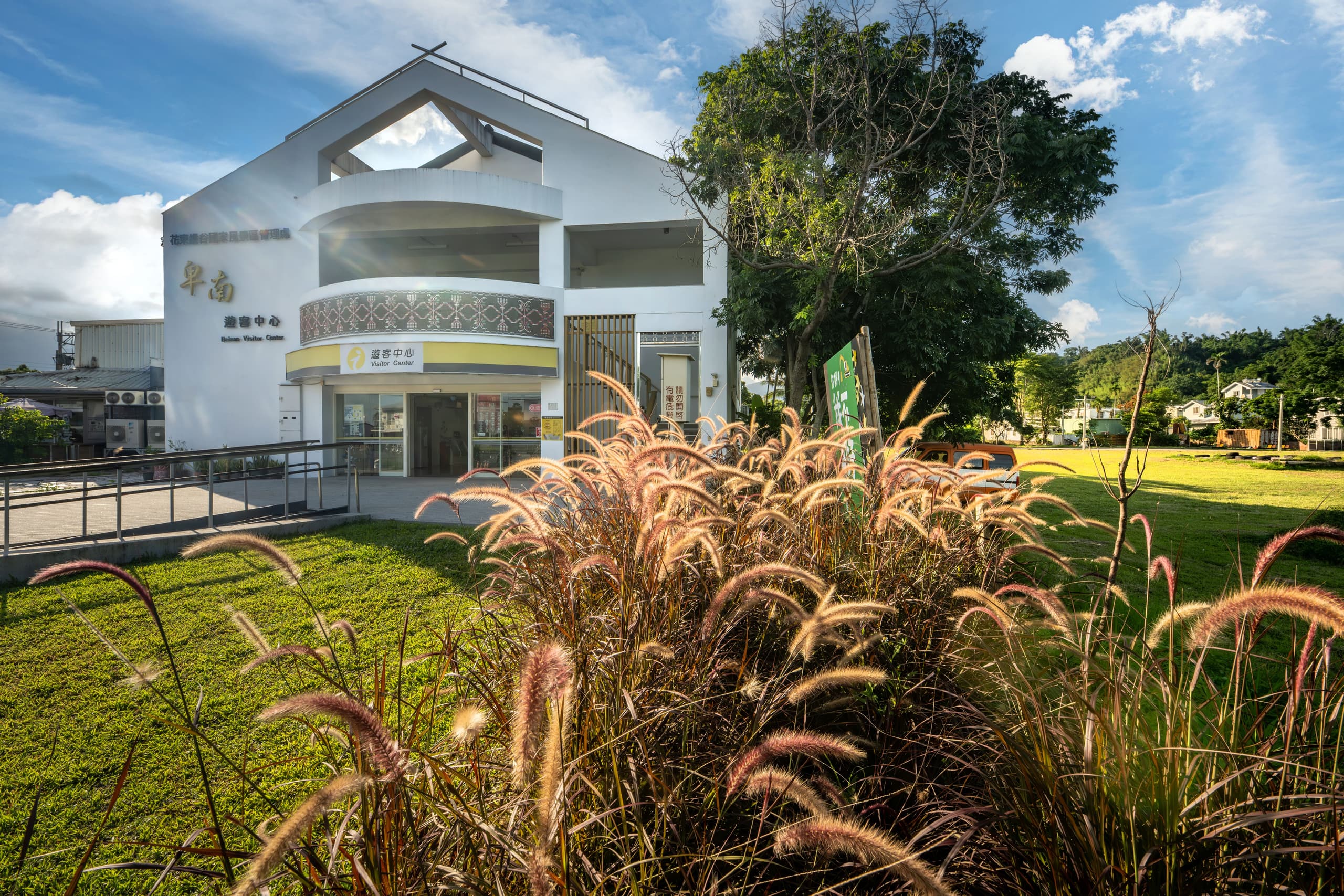
Beinan Site · Prehistoric Culture · A 5,000-Year Story
5,000 Years Ago, People Were Already Lighting Fires, Eating, and Burying Their Dead in Taitung
The Beinan Site, beside Kangle Station in Taitung City, is the largest prehistoric settlement ever found in Taiwan and the largest slate-coffin burial ground anywhere in the Pacific Rim and Southeast Asia. The Beinan Culture, which flourished here from roughly 5,000 to 2,300 years ago, left behind a complete record of dwellings, graves, jade, and pottery. Discovered in 1980 during construction of the South-Link Railway, it was excavated under archaeologists Sung Wen-hsun and Lien Chao-mei, yielding about 1,600 burials, over 99% of them slate coffins. The crescent stone pillars (3,500 years old) are the most striking remains still standing on the surface. For travellers who want to understand that Taitung was not first settled a mere hundred years ago.
2026-05-31 · 6 min read
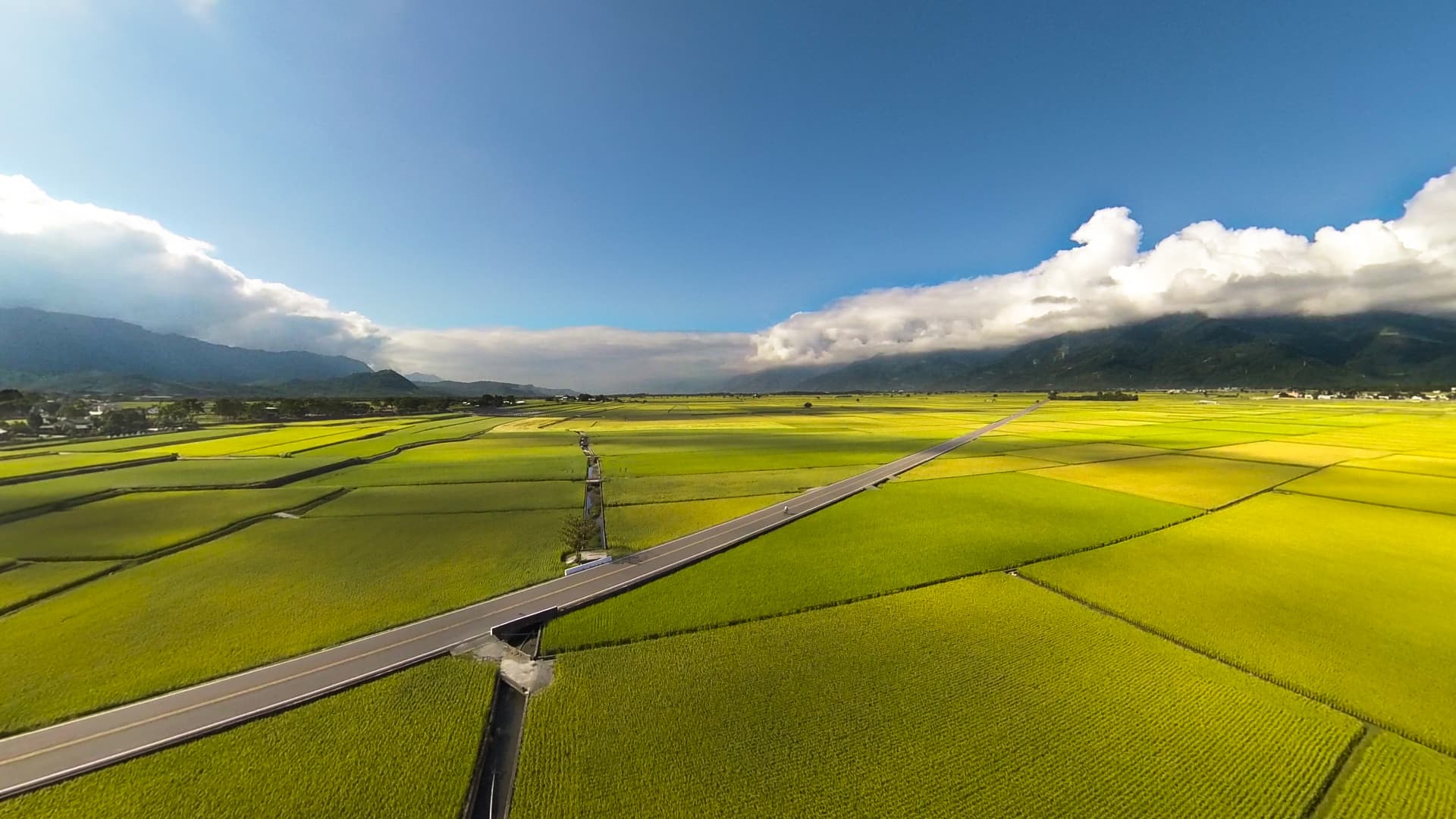
Brown Avenue · The Version Without the Photo Line · A Story from Chishang
A Tree Named "Tea Offering," Lent for a Decade to a Movie Star
Brown Avenue runs 2.2 kilometres along Jinxin Road No. 3 in Chishang Township, Taitung, deliberately kept clear of power poles and houses. After Takeshi Kaneshiro drank tea beneath its bishopwood tree for an airline commercial in 2013, the road became famous overnight — but since 2023, the official name of the "Takeshi Kaneshiro Tree" has reverted to its original "Tea Offering Tree." As people who live in Taitung, we offer you the truest story of this road — including the tree's real name, how Chishang locals actually ride it, and which season is right.
2026-05-31 · 5 min read