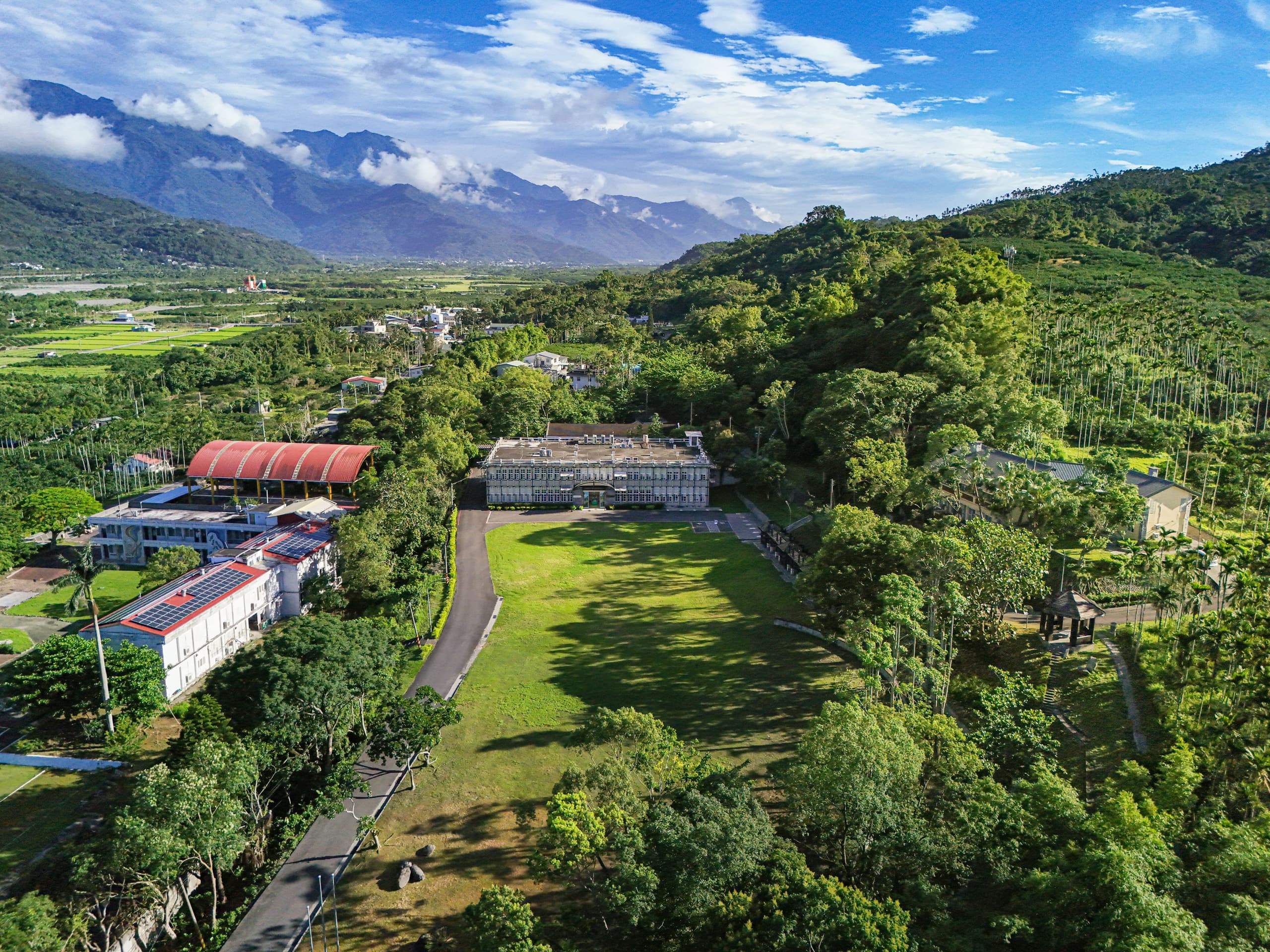
Lidao · A Village in the Clouds on the South Cross-Island Highway · A Bunun Story
At 1,068 Metres, a Bunun Village Sits on the Shoulder of the Clouds
The highest village in Taitung County, the only home of Taiwan's endemic Tianlong two-needle pine, and the most beautiful stop on the South Cross-Island Highway — Lidao is a high-mountain garden the Bunun have been cultivating for 200 years.
部落編輯室·Updated 2026-05-31 · 5 min read
From Guanshan, turn onto Provincial Highway 20 — the South Cross-Island Highway — and climb west, all the way.
Past Haiduan, past Wulu, past the Tianlong Suspension Bridge — about an hour's drive, a thousand metres of climbing — and you reach a village called Lidao (利稻).
Elevation: 1,068 metres. The highest village in Taitung County.
The clouds lie below your feet.
Lidao is not a "sight." It's a village.
Lidao has about 300 people, more than 90% of them Bunun (布農族), in 60 households — one elementary school, one church, two or three guesthouses, and a handful of cold-climate vegetable farms.
This is not a village built for tourists to look at. It is a real, working Bunun mountain village.
Turn in off the South Cross-Island Highway around the 175K mark, and the whole Lidao plateau is like a tray, cradled between the two flanks of the Central Mountain Range. At dawn the sea of clouds rises up out of the Xinwulü River valley; at dusk the afterglow turns every rooftop to gold — this is no photo filter. This is an ordinary day in Lidao.
The Bunun have been here 200 years
The Bunun are the only Indigenous people of Taiwan with no chieftain system. Decision-making is dispersed across every single household, and every important matter is debated by the whole village — which is why anthropologists have called the Bunun "the most democratic of Taiwan's Indigenous peoples."
The ancestors of Lidao migrated here from Xinyi Township in Nantou County about 200 years ago, following the Central Mountain Range south and then crossing the ridgeline into Taitung. They chose this plateau because here there was enough water, enough sun, and enough slope to grow millet.
Two hundred years on, millet still grows in the fields of Lidao.
Three things that set Lidao apart
1. Cold-climate vegetables
Above 1,000 metres + a wide day-to-night temperature swing + mountain-spring irrigation — the cabbage, daikon, Chinese cabbage and spring onions grown here are 1.5 to 2 times sweeter than their lowland cousins. Winter cabbage here can be eaten raw, straight from the field.
Farmhouse roadside stalls line the way through the village, 30–40% cheaper than buying down in Guanshan, pulled and packed on the spot — picked today, in Taipei by tomorrow.
2. Moutianling peaches
Drive ten minutes further west from Lidao and you reach Moutianling (摩天嶺), with peach orchards at 1,500–2,000 metres. June to August is the season; the just-picked peaches are juicy and intensely fragrant, sweeter and rarer than the famous Lalashan peaches (the South Cross-Island Highway's traffic controls make large-scale export all but impossible).
3. The Tianlong two-needle pine
An endemic Taiwanese species found nowhere on earth but the stretch between Haiduan Village and Lidao Village in Haiduan Township. Its needles grow two to a bundle (hence "two-needle pine"), with a graceful crown and rough, fissured bark. For botanists and ecotravellers, seeing the Tianlong two-needle pine is the grand slam of Taiwan's endemic species.
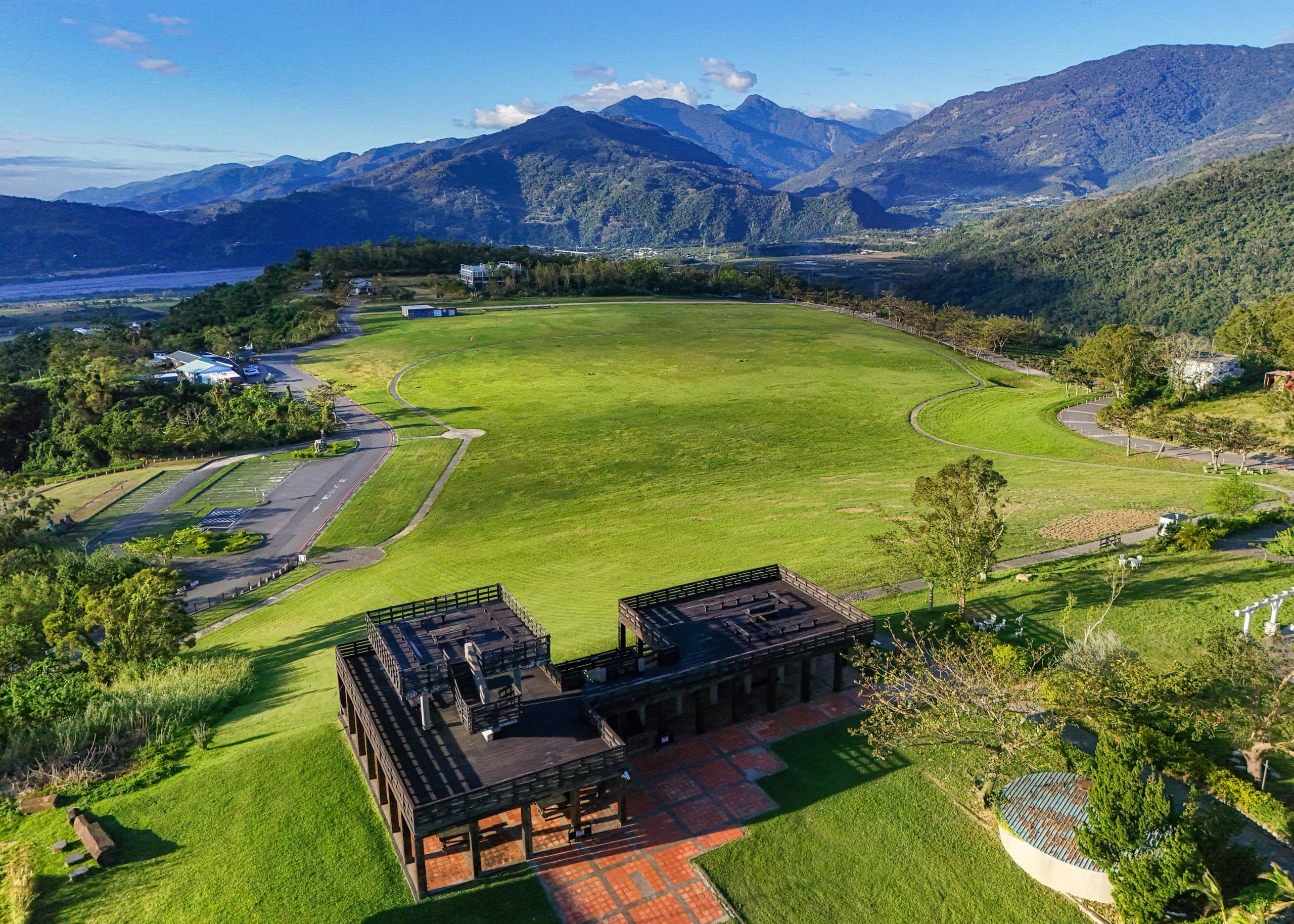
Two moments not to miss
Dawn, 06:00–08:00: the sea of clouds
A 60–70% chance (higher in winter than summer). Stand on the Lidao plateau and look east, and between the Central Mountain Range and the Xinwulü River valley a white sea of clouds pours out of the gorge like a river. The instant the sun lifts from behind the Central Mountain Range, the whole sea of clouds is dyed a pink-gold.
January–February: the mountain cherry blossom season
Several hundred mountain cherry trees (Taiwan cherry, Prunus campanulata) line the village roads, blooming from late January into mid-February and turning the whole village pink. You'll see less than 1/100 of the crowds at Yangmingshan — quiet, open, and warm.
The details easily missed
- Lidao Elementary School: one of the highest elementary schools in Taiwan, its playground looking straight out onto the Central Mountain Range. You can't go in during school hours, but you can photograph it from outside the fence.
- Bunun Pasibutbut (八部合音, the "eight-part harmony"): during the Harvest Festival and the Ear-Shooting Festival (usually May–July), there may be performances at the cultural centre. It is listed by Taiwan’s Ministry of Culture as an important traditional performing art.
- Millet fields: villagers' millet plots surround the village. Please keep your distance and do not step in (the Bunun hold a belief in a "Millet Goddess").
- Sky Café / Lidao Terrace Café: the village's only one or two coffee shops, brewing beans grown by the village itself, honest prices and an unbeatable view.
Eating in Lidao: eat the way the Bunun do
| Dish | The details |
|---|---|
| Millet dumpling (Avai) | The Bunun staple — millet, meat and pigeon peas wrapped in shell-ginger leaves. |
| Millet wine | Home-brewed and low in alcohol; best with grilled wild boar. |
| Wild boar | Boar brought back by the hunters, seasoned before grilling with mountain salt and maqaw. |
| Maqaw (mountain pepper) | A local Bunun spice with the scent of lemon and pepper combined. |
| Millet porridge | A warming breakfast for cold mornings. |
| High-mountain cabbage | Raw, lightly dressed, or simply stir-fried — don't overdo the seasoning. |
How to plan Lidao
One day (in and out from Guanshan)
| Time | Itinerary |
|---|---|
| 07:00 | Set off from Guanshan (1.5 hours up to Lidao) |
| 09:00 | Arrive in Lidao; catch the sea of clouds (if any) |
| 10:30 | Stroll the village; farmhouse stalls |
| 12:00 | Lunch in the village |
| 14:00 | Moutianling peach orchards (June–August) |
| 16:00 | Head back to Guanshan (avoid night driving on mountain roads) |
Two days (overnight in Lidao)
- Day 1: Check into a Lidao guesthouse → dinner in the village → stargazing (1,068m + zero light pollution = the Milky Way visible to the naked eye)
- Day 2: Dawn sea of clouds → millet-porridge breakfast → Moutianling → return
A 2026 note on the South Cross-Island Highway
To reach Lidao you must take the South Cross-Island Highway, Provincial Highway 20:
- Conditionally reopened since 2022 (the Meishankou–Xiangyang stretch has been downgraded to a temporary access road)
- Open on a timed basis on weekdays (typically departing 06:00–07:00, turning back before 15:00)
- Possible restrictions on weekends
- Closed at any time in poor weather
- There is no petrol station between Meishankou and Haiduan — fill the tank before you set off
Always check before you go:
- The real-time bulletins from the Directorate General of Highways' Southern Region Maintenance Office
- The "Provincial Highway 20 South Cross-Island Live Road Conditions" LINE group
Why Lidao is worth the journey
Lidao has no "single showstopper" like the Luye hot-air balloons, no "extreme challenge" like the Alangyi Ancient Trail, no "complete package" like the Zhiben hot springs.
What Lidao gives you is — an ordinary day at 1,068 metres.
A Bunun mother bent over the millet field, children running home from the schoolyard at the end of the day, a farmer's truck carrying cold-climate vegetables down the mountain, the church bell at six in the evening, the sea of clouds rising from the valley to wrap the whole village — these everyday things, all of them, make up Lidao's most precious gift: the beauty of nothing happening.
And that beauty of nothing happening asks you to climb a thousand metres, drive an hour and a half, and book a guesthouse for the night — only then will you see it.
Afterword
What Lidao teaches you is this — height is not just a number on a scale.
1,068 metres is not only where the sea of clouds floats up, where the cherry blossoms open, where the peaches turn sweet — it stands for how far from the lowlands you're willing to go, how much time you're willing to spend, how much of your comfort zone you're willing to give up.
And 200 years ago, the Bunun ancestors built their home on this plateau out of exactly that willingness.
Next time you come to Haiduan Township, drive on up to Lidao. Then sit an afternoon away on the shoulder of the clouds.
Further reading:
- Pair it with a three-day Jiaming Lake trek: Jiaming Lake, the "Tears of an Angel"
- Pair it with the wild waters of Lisong Hot Spring: Lisong Hot Spring, "The Price of Jade"
- A one-day South Cross-Island itinerary: Lisong South Cross-Island, One Day
- A deep four-day Taitung trip including Haiduan: Taitung, 4 Days 3 Nights, In Depth
Next —
Want to turn this place into a trip?
Leave the car, the stay, the food, and the guide to us — a team that actually lives in Taitung. Message us on LINE with where and when, and we'll make it real.
A rough plan & quote the same day · no charge unless you're happy · no hard sell
See the related trip →Image credits
Sources
More stories —
Other local stories
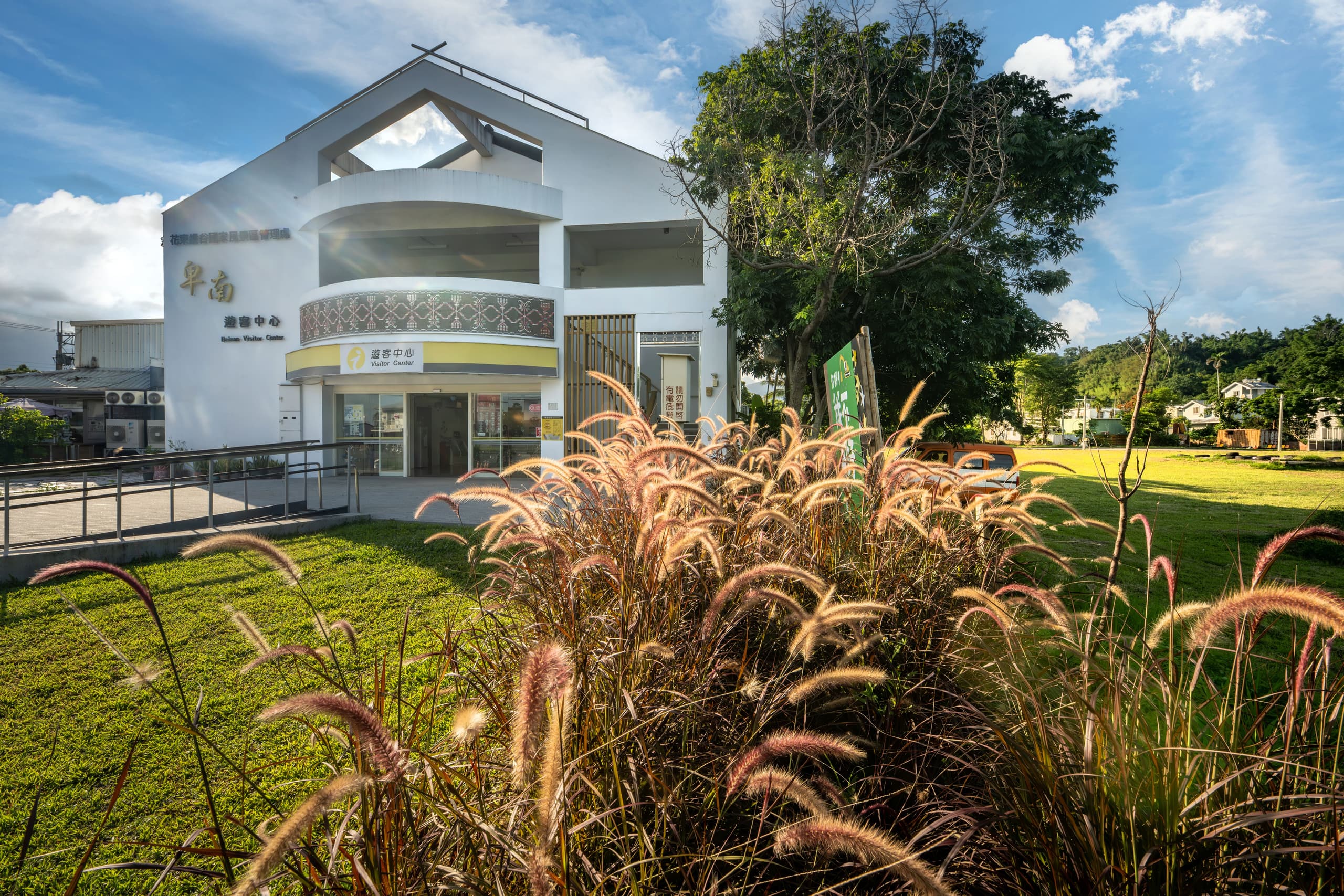
Beinan Site · Prehistoric Culture · A 5,000-Year Story
5,000 Years Ago, People Were Already Lighting Fires, Eating, and Burying Their Dead in Taitung
The Beinan Site, beside Kangle Station in Taitung City, is the largest prehistoric settlement ever found in Taiwan and the largest slate-coffin burial ground anywhere in the Pacific Rim and Southeast Asia. The Beinan Culture, which flourished here from roughly 5,000 to 2,300 years ago, left behind a complete record of dwellings, graves, jade, and pottery. Discovered in 1980 during construction of the South-Link Railway, it was excavated under archaeologists Sung Wen-hsun and Lien Chao-mei, yielding about 1,600 burials, over 99% of them slate coffins. The crescent stone pillars (3,500 years old) are the most striking remains still standing on the surface. For travellers who want to understand that Taitung was not first settled a mere hundred years ago.
2026-05-31 · 6 min read
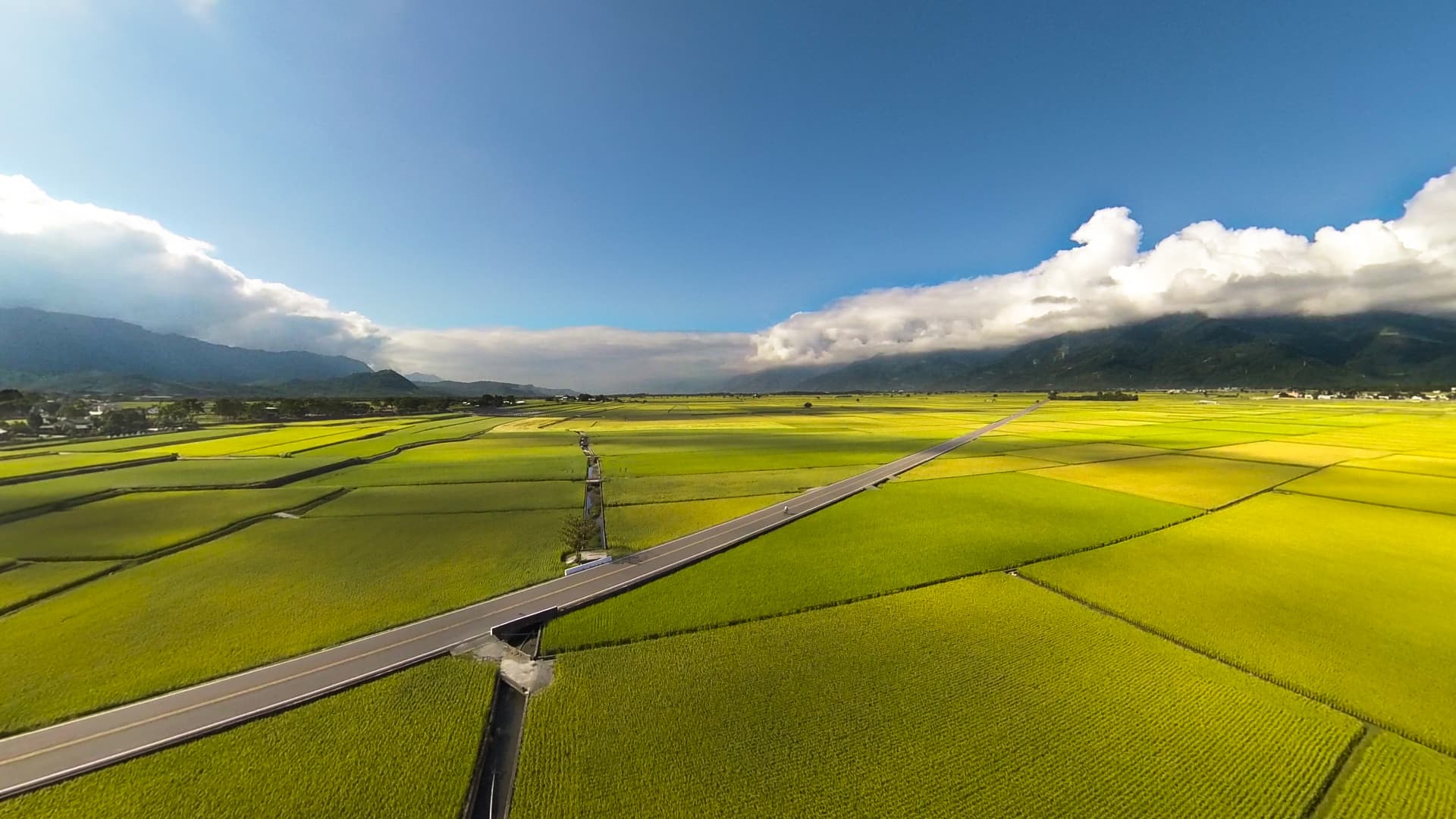
Brown Avenue · The Version Without the Photo Line · A Story from Chishang
A Tree Named "Tea Offering," Lent for a Decade to a Movie Star
Brown Avenue runs 2.2 kilometres along Jinxin Road No. 3 in Chishang Township, Taitung, deliberately kept clear of power poles and houses. After Takeshi Kaneshiro drank tea beneath its bishopwood tree for an airline commercial in 2013, the road became famous overnight — but since 2023, the official name of the "Takeshi Kaneshiro Tree" has reverted to its original "Tea Offering Tree." As people who live in Taitung, we offer you the truest story of this road — including the tree's real name, how Chishang locals actually ride it, and which season is right.
2026-05-31 · 5 min read