Dulan · A Small Town of Art · A Story for One Afternoon
One Sugar Factory, a Crowd of Artists, and the Sea
The moment you turn off Provincial Highway 11 into the old Xindong Sugar Factory, Taitung shifts into a different rhythm. Artists, surfers, the Amis people, café owners — Dulan gathers everyone who doesn't quite fit anywhere else and sets them down before the same sea.
海岸編輯室·Updated 2026-05-31 · 5 min read
Drive north out of Taitung City and Provincial Highway 11 runs the length of the Pacific. The sea stays at your right hand the whole way.
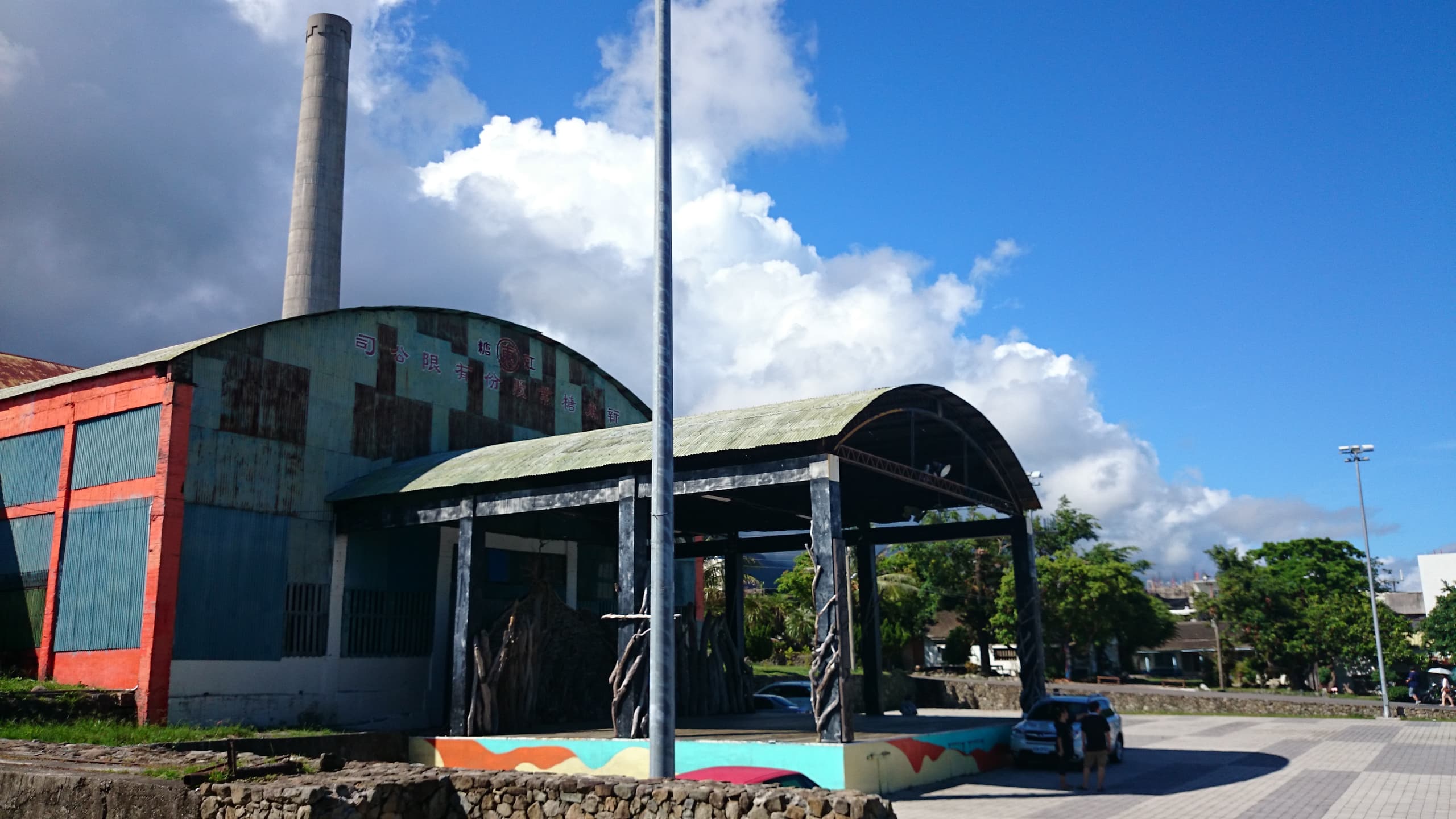
About thirty minutes in, a sign appears at the roadside: "Xindong Sugar Factory" (新東糖廠).
You turn in, and Taitung shifts into a different rhythm.
A Sugar Factory Turns
The Xindong Sugar Factory was built in the Japanese colonial era and pressed brown sugar for the better part of a century. After it closed in the 1990s, artists drifted into the idle red-brick warehouses one by one — woodcarvers, potters, oil painters, musicians, documentary filmmakers — and a residency program has run here every year since.
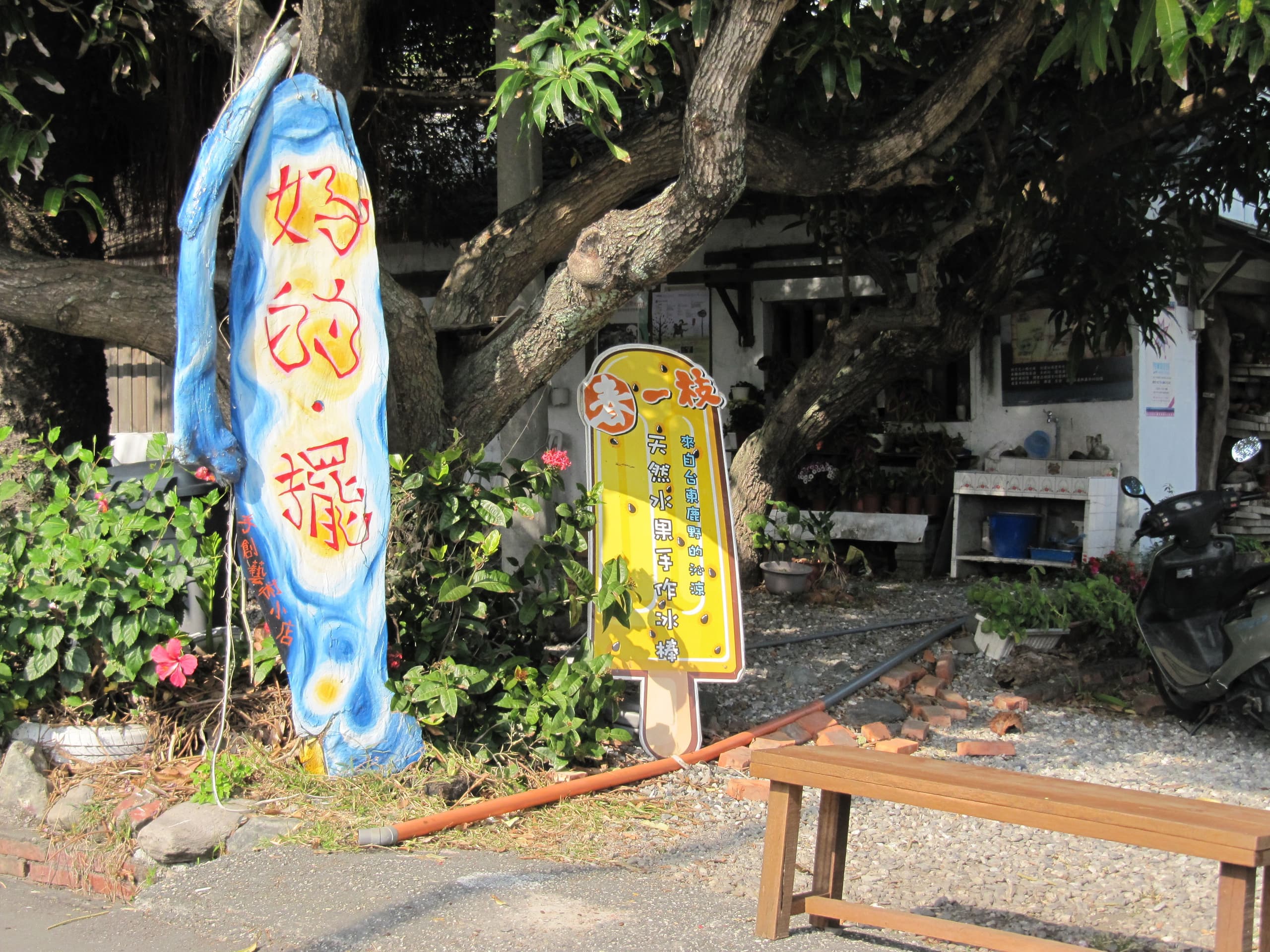
Under the old factory's tin roofs you'll now find galleries, an independent bookshop, hands-on studios, and cafés that stay open late into the night. No one "planned" any of it. The artists simply moved in, one after another, and let the place grow into what it is today.
This is what sets Dulan apart from every other tourist town in Taitung — Dulan wasn't developed into being. It was lived into being.
Dulan Mountain Belongs to the Ancestors
Before you step into the Xindong Sugar Factory, there's one thing to understand — Dulan was an Amis (阿美族) village first, and this land has its own order.
Dulan Mountain (都蘭山), 1,190 meters high, is the sacred ancestral mountain of the Amis; each year the seasonal ceremonies begin facing its slopes. The village lanes beyond the factory's red-brick walls, the altars by the shore, the gathering house — none of these are "attractions." They are living tribal spaces, still in daily use.
Coming into Dulan, ease off the accelerator first. If you arrive during a village gathering or a ceremony, give way and let it pass — that is the first lesson Taitung teaches.
One Afternoon in Dulan
| Time | How to spend it |
|---|---|
| 14:00 | Step into the Xindong Sugar Factory; wander the residency studios and the current exhibition |
| 15:30 | Settle into a café across from Dulan Elementary School (都蘭國小) for an afternoon (plenty of local baristas) |
| 16:30 | A five-minute drive to the Jialulan Coast (加路蘭) for the driftwood land-art installations |
| 17:30 | Back to Dulan for dinner at a sea-view restaurant (mahi-mahi, flying-fish season) |
| 19:30 | On summer weekends, catch the Moonlight Sea Concert (月光・海音樂會) (free admission) |
There's no need to fill the day. The way to do Dulan is to not plan it — sit a little longer in the café, walk a little farther along the shore, talk for half an hour with the studio owner, stay through a whole set under the moonlit sea before you leave.
「This little town isn't somewhere to check off. It's somewhere to stay.
」
Three Corners Easy to Miss
- The Dulan Stone Coffins (都蘭石棺) (a Beinan-culture (卑南文化) site) — on the hillside behind the factory, human remains three thousand years old; few places in Taiwan let you stand this close to something so ancient
- PA-RIYAR Beach at the Longchang village (隆昌部落) — less than five minutes south of Dulan, an untouched stretch of sand with no shops and no umbrellas
- Dongtang Coffee (東糖咖啡) — the factory's old-guard café, run by a former factory worker who can tell the story of every red-brick wall
When to Come
- March–June: gentle sea breezes, the arts season just opening, the most comfortable weather for a café's outdoor seats
- June–September: the Moonlight Sea Concert, peak surfing season, summer events at their densest
- October–November: the arts festival at its height, plus migratory birds heading south
- December–February: fewer visitors, quiet cafés — a haven for travelers who come to write and read
Afterword
Dulan is not like Taitung's other small towns.
It has no hot springs, no hot-air balloons, no Instagram-famous Takeshi Kaneshiro tree. But it has people — Amis priests, retired factory hands, resident ceramicists, surf instructors, a retired engineer who opened a café — every kind of different person, each living the same afternoon in their own way.
You don't come to Dulan to see something. You come to feel how people live in a place.
And that feeling may be the most precious gift Taitung has to give you.
Further reading:
- To travel the full coastline: The East Coast Tribes, 3 Days
Next —
Want to turn this place into a trip?
Leave the car, the stay, the food, and the guide to us — a team that actually lives in Taitung. Message us on LINE with where and when, and we'll make it real.
A rough plan & quote the same day · no charge unless you're happy · no hard sell
See the related trip →Image credits
- Hero: 花東縱谷國家風景區管理處 · media.taiwan.net.tw · 政府資料開放授權條款 第 1 版
- Secondary: 花東縱谷國家風景區管理處 · media.taiwan.net.tw · 政府資料開放授權條款 第 1 版
Sources
More stories —
Other local stories
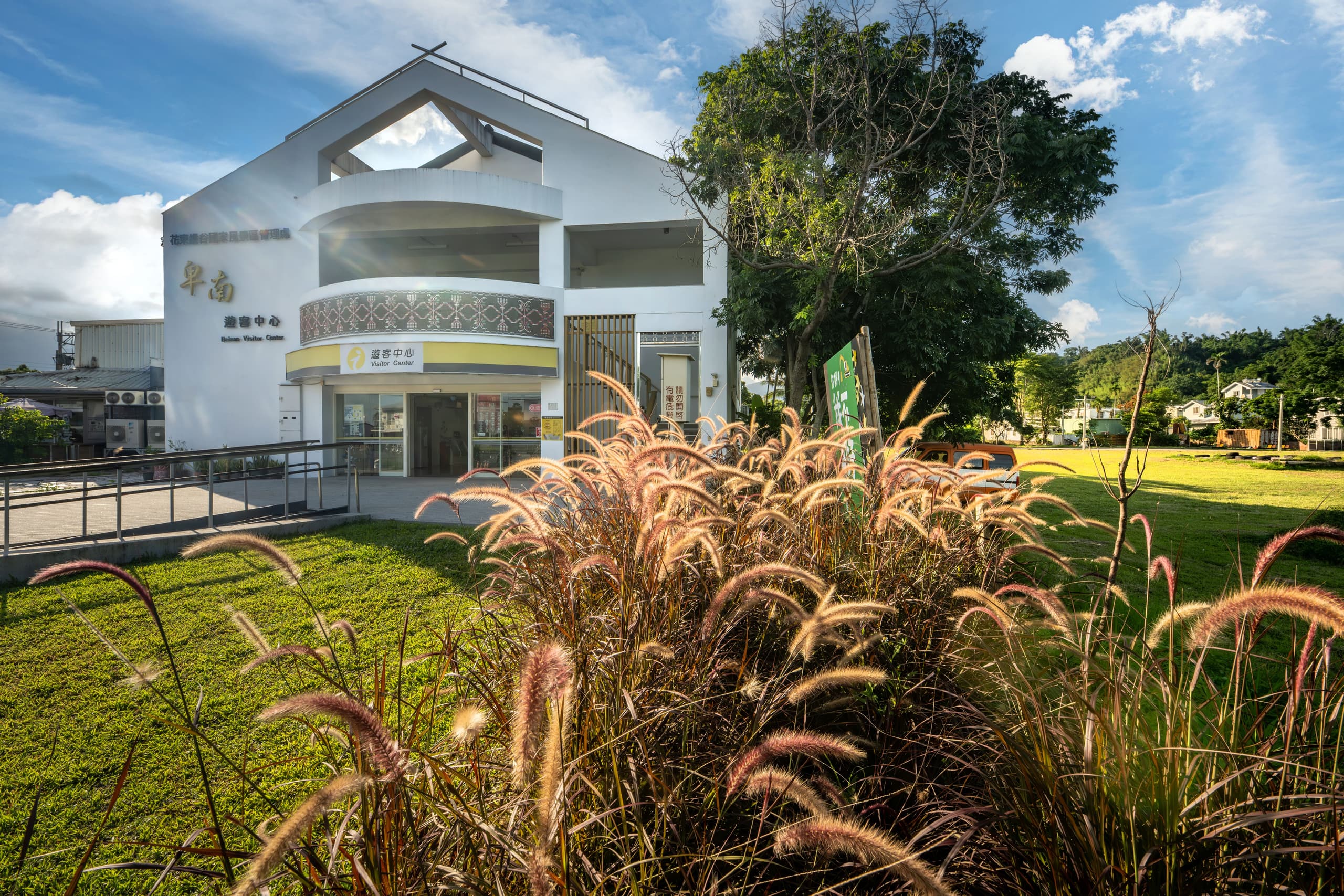
Beinan Site · Prehistoric Culture · A 5,000-Year Story
5,000 Years Ago, People Were Already Lighting Fires, Eating, and Burying Their Dead in Taitung
The Beinan Site, beside Kangle Station in Taitung City, is the largest prehistoric settlement ever found in Taiwan and the largest slate-coffin burial ground anywhere in the Pacific Rim and Southeast Asia. The Beinan Culture, which flourished here from roughly 5,000 to 2,300 years ago, left behind a complete record of dwellings, graves, jade, and pottery. Discovered in 1980 during construction of the South-Link Railway, it was excavated under archaeologists Sung Wen-hsun and Lien Chao-mei, yielding about 1,600 burials, over 99% of them slate coffins. The crescent stone pillars (3,500 years old) are the most striking remains still standing on the surface. For travellers who want to understand that Taitung was not first settled a mere hundred years ago.
2026-05-31 · 6 min read
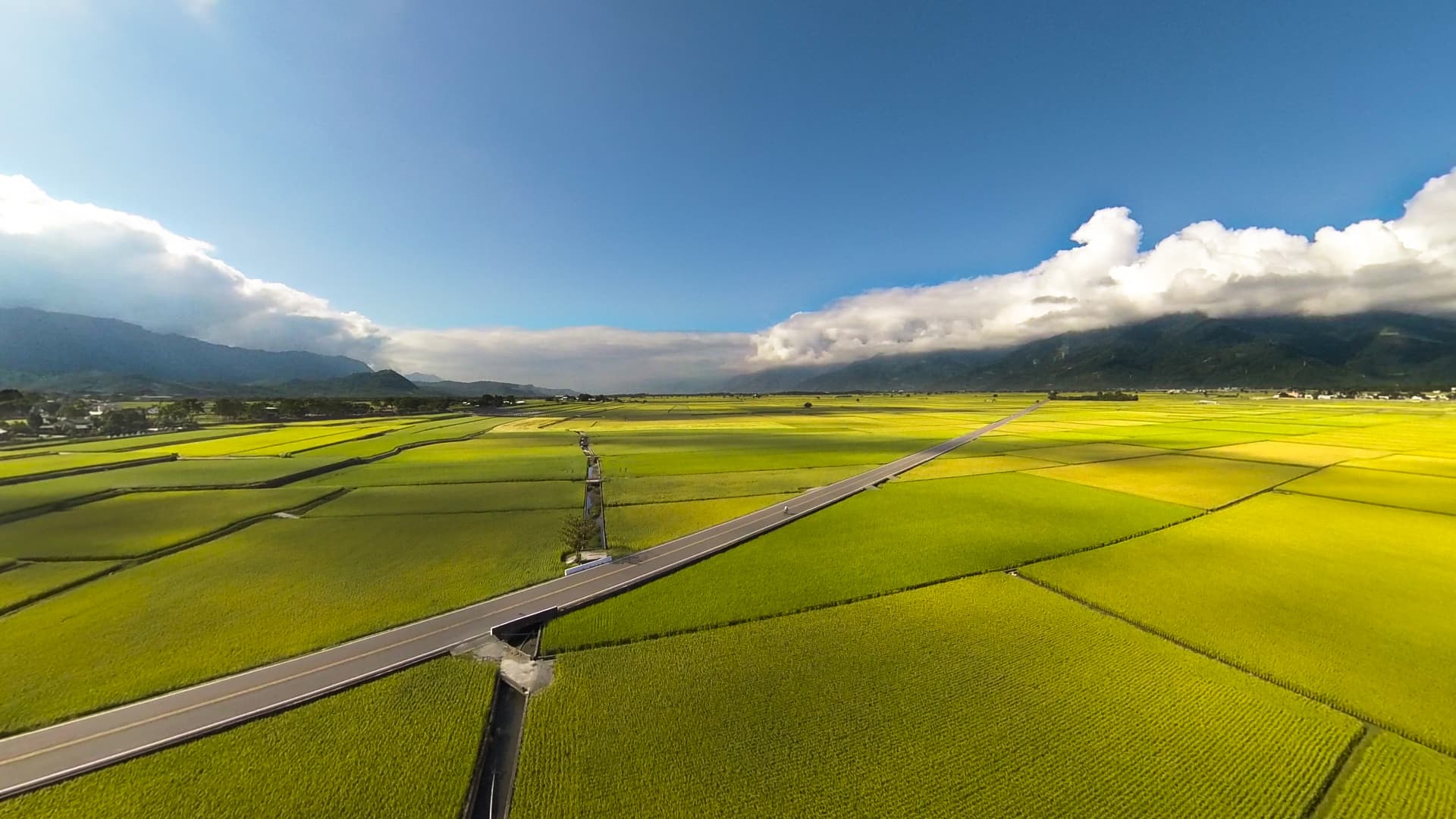
Brown Avenue · The Version Without the Photo Line · A Story from Chishang
A Tree Named "Tea Offering," Lent for a Decade to a Movie Star
Brown Avenue runs 2.2 kilometres along Jinxin Road No. 3 in Chishang Township, Taitung, deliberately kept clear of power poles and houses. After Takeshi Kaneshiro drank tea beneath its bishopwood tree for an airline commercial in 2013, the road became famous overnight — but since 2023, the official name of the "Takeshi Kaneshiro Tree" has reverted to its original "Tea Offering Tree." As people who live in Taitung, we offer you the truest story of this road — including the tree's real name, how Chishang locals actually ride it, and which season is right.
2026-05-31 · 5 min read