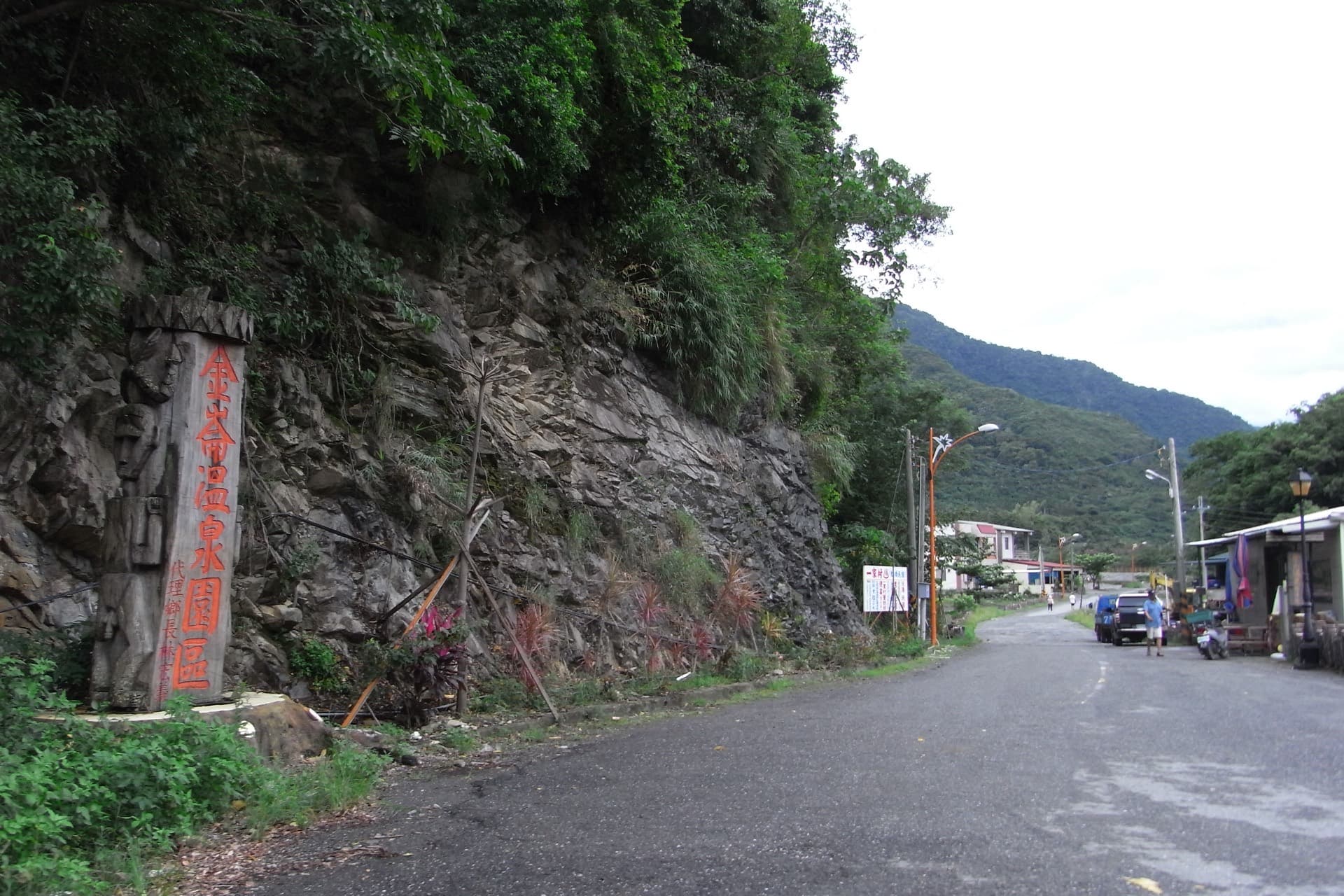
Jinlun · Paiwan Village Hot Spring · A Story from the South Link
Not a Spa Hotel — the Village's Own Bathhouse
A 70°C mildly alkaline sodium-bicarbonate spring, faintly sulphurous, with a soaking room in nearly every household — Jinlun is the Taitung hot-spring town that tourism never quite captured.
部落編輯室·Updated 2026-05-31 · 5 min read
Drive south from downtown Taitung along Provincial Highway 9, down the South Link coast — past Taimali, past Duoliang Station — and in 50 minutes you reach Jinlun.
Jinlun is a small town. No big hotel signs, no tour buses, just a handful of noodle shops beside the railway station.
But in the alleys, you'll catch the smell of hot-spring water.
Turn into one lane, turn out of another — and almost every household has a soaking room of its own.
kanadun — What the Paiwan Actually Call This Place
In the Paiwan language this place is kanadun. According to Taimali Township Office, the area was once thick with jequirity (雞母珠) — kanadunadung in Paiwan — and the settlement took its name from the plant. Not from a river shrimp, and not from the hot spring. "Jinlun" is a later transliteration.
The hot spring comes from somewhere else entirely: the Jinlun River, flowing out of the deep Central Mountain Range, tumbling over igneous and metamorphic rock along the way and dissolving their minerals into the water. About 5 kilometres before it meets the sea, the water rises through cracks in the riverbed — and this is the source of the Jinlun hot spring.
Jinlun is a Paiwan family's bathhouse — and it just happens to let you soak alongside them.
The Care in a Single Pool of Water
The core facts of the Jinlun hot spring:
| Detail | Description |
|---|---|
| Water type | Mildly alkaline sodium-bicarbonate spring (the so-called "beauty spring") |
| Colour | Clear and transparent |
| Smell | Faintly sulphurous (more noticeable than Zhiben) |
| Temperature | 70–99°C (very hot; needs cold water to temper it) |
| pH | Around 7.5–8.5 |
| Character | Silky to the touch, mineral-rich, good for easing aching muscles |
The biggest difference from Zhiben (colourless and odourless) is this — Jinlun carries a faint trace of sulphur, so you can "feel that the hot spring is real."
Four Ways to Soak
Jinlun's soaking rooms fall roughly into four kinds:
1. Village-Run Private Soaking Rooms
The choice with the most "Jinlun flavour." Wooden, plain, far from luxurious — but the water is pure and the price is honest. NT$ 300–500 per hour.
2. In-Room Pools at Village Guesthouses
Stay a night at a village guesthouse and your room comes with its own soaking pool. Soak morning and evening, take your time, pair it with a Paiwan auntie's home cooking — this is the fullest experience of all. NT$ 2,500–5,000 per night.
3. Soaking Rooms with Mountain and Sea Views
The "East Sun SPA Hot Spring Resort" sits a little higher up, so its pools look out across the Pacific and the Jinlun River. Sunrise and sunset each have their own mood.
4. Wild Riverside Hot Springs
The upper Jinlun River has stretches of natural hot springs welling up in the open, and reaching them means a walk. No facilities, no fences, soak at your own risk. The terrain shifts easily after a typhoon, so the safest way is to have a local from the village guide you.
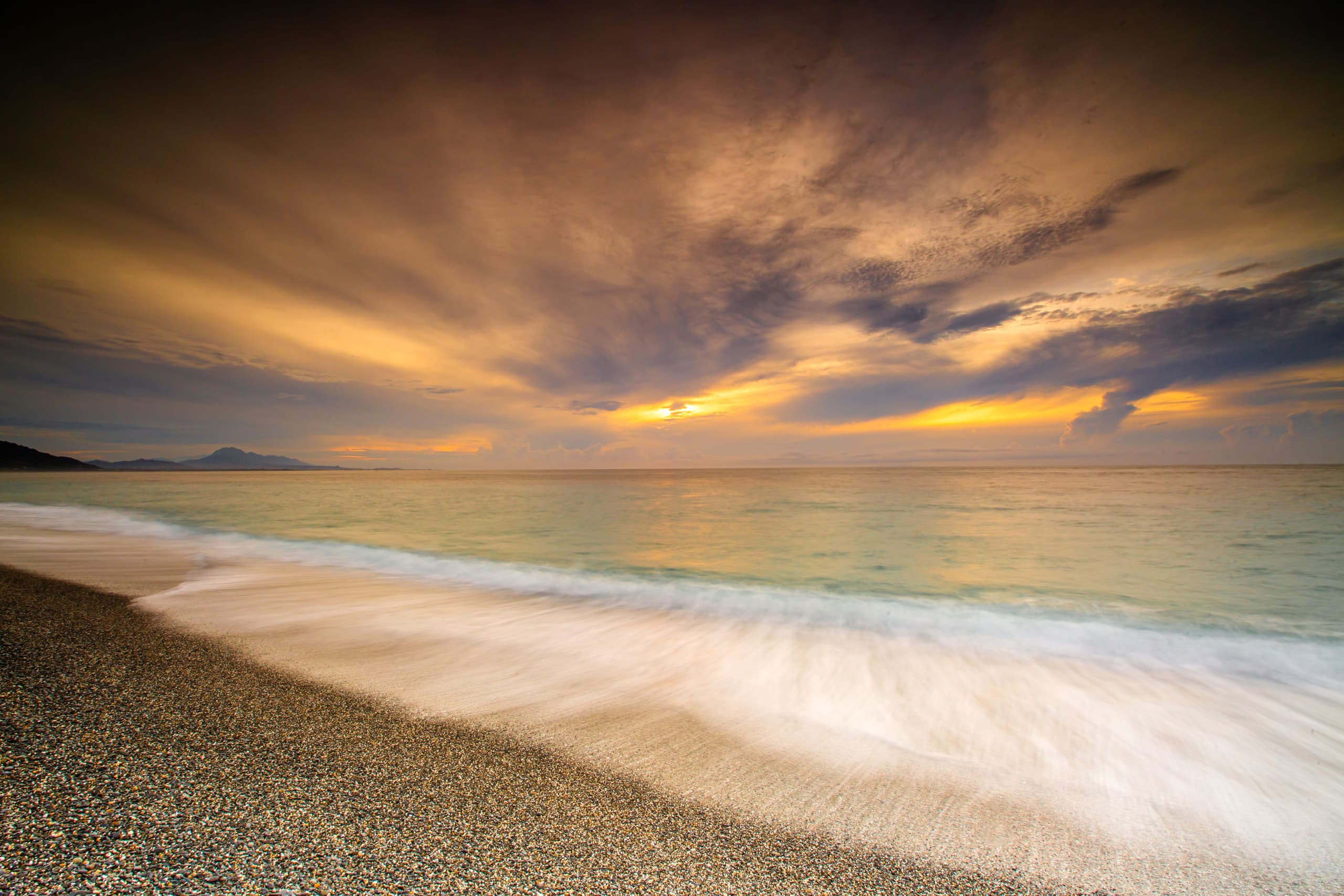
A local's advice: on your first visit to Jinlun, stay a night at a village guesthouse. The next morning, soak for an hour, walk down to Jinlun beach for the sunrise, then come back for a breakfast made by a Paiwan mother — that's the truest way to do Jinlun.
More Than the Hot Spring
Beyond Jinlun's water, there's the sea.
- Jinlun beach: a 5-minute walk from the soaking rooms to the Pacific. No crowds, no shops, just a stretch of raw, untouched coast.
- Jinlun Bridge: from the bridge you watch the Jinlun River meet the sea — the sunset here is something else.
- Jinlun Catholic Church: built in the 1960s with the help of an Italian priest, its architecture weaves in Paiwan imagery — one of the most story-laden corners of Jinlun.
- The noodle shop by Jinlun Station: a little place run by a local Paiwan mother, a 3-minute walk away — rice-noodle soup, millet mochi, grilled wild boar.
Pair It with the South Link
| Time | Itinerary |
|---|---|
| 09:00 | Set out from downtown Taitung, heading south on Highway 9 |
| 10:00 | Taimali First Light Memorial Park (an early start catches the sunrise here) |
| 11:30 | Duoliang Station, "the platform above the sea" |
| 12:30 | Lunch in Jinlun (the village mother's little noodle shop) |
| 14:00 | Soak in a Jinlun hot-spring room |
| 16:00 | A walk along Jinlun beach |
| 17:30 | Check in to a Jinlun village guesthouse |
| Next dawn | One more soak + the sunrise |
| Morning | South to Dawu, or back north to Zhiben for a forest bath |
Easy Things to Miss
- Dawu Mountain Nature Reserve (大武山自然保留區): Jinlun sits on the edge of the Dawu Mountain Nature Reserve, with some of the cleanest air in Taiwan and a high concentration of negative ions (one reason a soak here feels so good).
- Paiwan glass beads + clay pots: Jinlun's village workshops offer hands-on making — a more meaningful gift for your elders than the usual souvenir.
- Jinlun's old coastal-defence site: down by Jinlun beach stand the old bunkers of an early military garrison — few visitors go, and there's a real sense of history.
- Paiwan ceremonies each year from May to July: during the Harvest Festival, the Five-Year Festival, and the Millet Festival, some soaking rooms close. Please respect the people's time.
Why Jinlun (and Not Only Zhiben)
| Dimension | Zhiben | Jinlun |
|---|---|---|
| Development | High (many large hotels) | Low (mostly village soaking rooms) |
| Atmosphere | Commercial, lively | Quiet, deeply local |
| Water | Colourless, odourless | Faintly sulphurous, distinct to the touch |
| Budget | Mid–high | Low–mid |
| Best for | First-timers, elders, groups | Repeat visitors, the local-minded, crowd-avoiders |
| What comes with it | Hotel buffets, spas, a hot-spring museum | The beach, village life, indigenous ingredients |
Zhiben is "Taitung's headline sight"; Jinlun is "Taitung's second acquaintance" — one is for tourists, the other for those beginning to understand Taitung.
Afterword
We've grown ever better at "good travel" — high-rated hotels, heavily recommended sights, the same Instagram check-in as everyone else.
But Jinlun reminds you: there's a kind of good that comes from "not being held hostage by the rankings."
A soaking room in every home, the smell of sulphur drifting through the lanes, the noodle-shop auntie by the station who remembers what you ordered yesterday — these everyday goods are the least wasteful gift Taitung has to give.
Next time you want a soak, don't rush off to Zhiben. Come stay a night in Jinlun.
Further reading:
- The counterpoint, Zhiben: Doing Nothing Is Also a Way of Arriving (Zhiben Hot Spring)
- Pair it with Duoliang Station: The Platform Above the Sea (Duoliang Station)
- Pair it with the Taimali sunrise: Taiwan's First Light (Taimali Sunrise)
- South Link slow travel: South Link Slow Travel, 2 Days
- A 4-day, 3-night Taitung route that includes Jinlun: Taitung in Depth, 4 Days 3 Nights
Next —
Want to turn this place into a trip?
Leave the car, the stay, the food, and the guide to us — a team that actually lives in Taitung. Message us on LINE with where and when, and we'll make it real.
A rough plan & quote the same day · no charge unless you're happy · no hard sell
See the related trip →Image credits
- Hero: 花東縱谷國家風景區管理處 · media.taiwan.net.tw · 政府資料開放授權條款 第 1 版
- Secondary: 花東縱谷國家風景區管理處 · media.taiwan.net.tw · 政府資料開放授權條款 第 1 版
Sources
More stories —
Other local stories
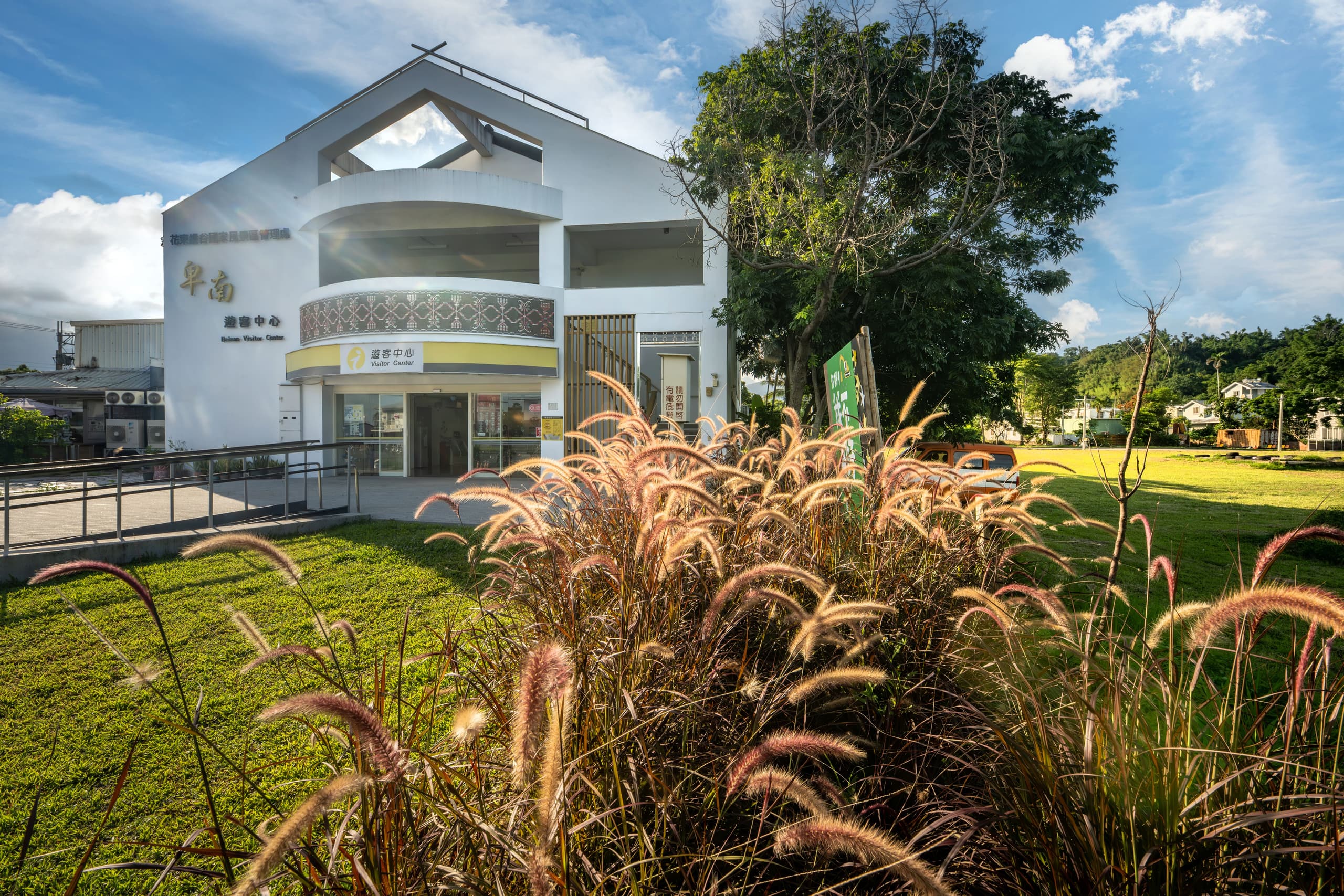
Beinan Site · Prehistoric Culture · A 5,000-Year Story
5,000 Years Ago, People Were Already Lighting Fires, Eating, and Burying Their Dead in Taitung
The Beinan Site, beside Kangle Station in Taitung City, is the largest prehistoric settlement ever found in Taiwan and the largest slate-coffin burial ground anywhere in the Pacific Rim and Southeast Asia. The Beinan Culture, which flourished here from roughly 5,000 to 2,300 years ago, left behind a complete record of dwellings, graves, jade, and pottery. Discovered in 1980 during construction of the South-Link Railway, it was excavated under archaeologists Sung Wen-hsun and Lien Chao-mei, yielding about 1,600 burials, over 99% of them slate coffins. The crescent stone pillars (3,500 years old) are the most striking remains still standing on the surface. For travellers who want to understand that Taitung was not first settled a mere hundred years ago.
2026-05-31 · 6 min read
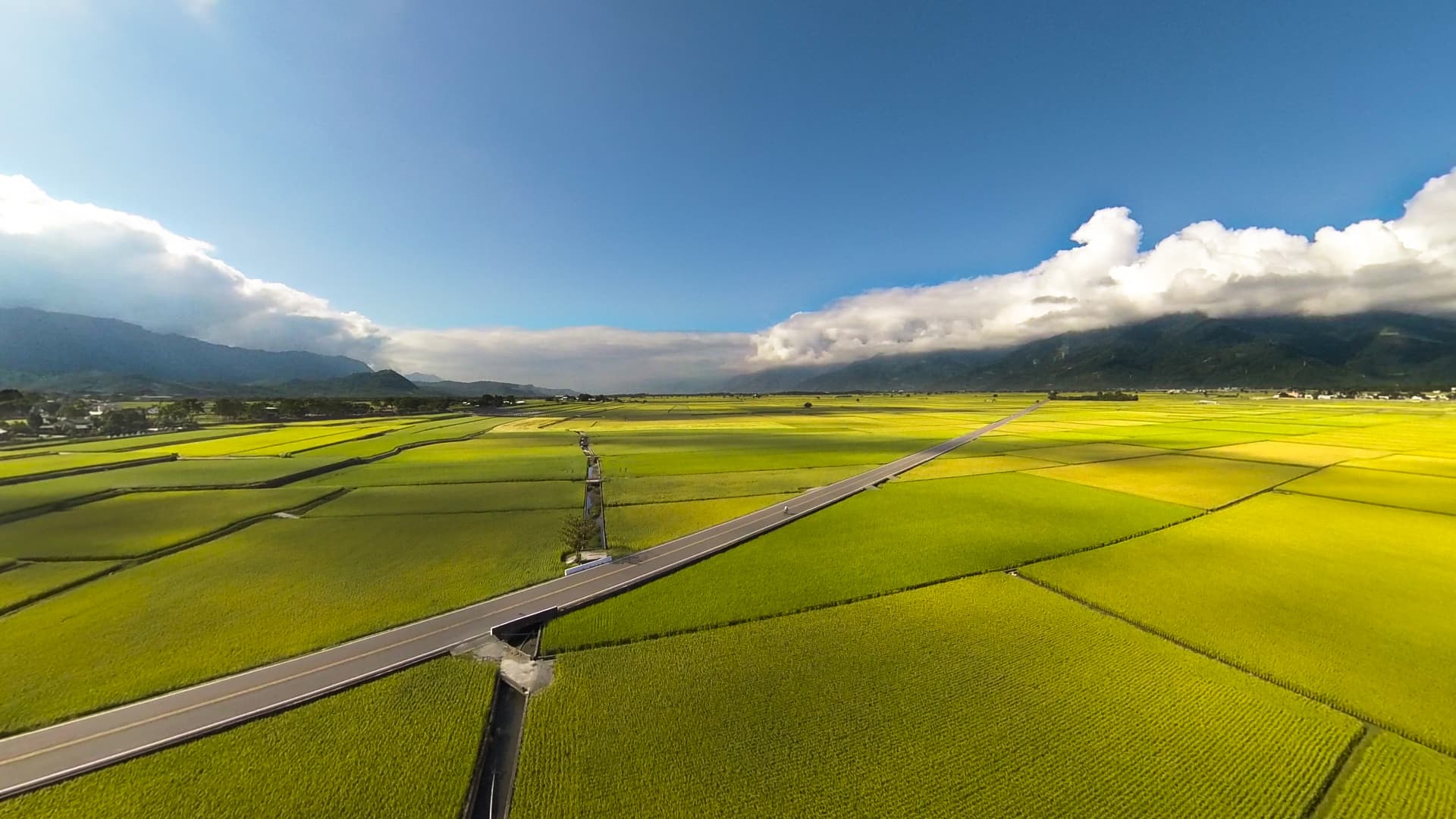
Brown Avenue · The Version Without the Photo Line · A Story from Chishang
A Tree Named "Tea Offering," Lent for a Decade to a Movie Star
Brown Avenue runs 2.2 kilometres along Jinxin Road No. 3 in Chishang Township, Taitung, deliberately kept clear of power poles and houses. After Takeshi Kaneshiro drank tea beneath its bishopwood tree for an airline commercial in 2013, the road became famous overnight — but since 2023, the official name of the "Takeshi Kaneshiro Tree" has reverted to its original "Tea Offering Tree." As people who live in Taitung, we offer you the truest story of this road — including the tree's real name, how Chishang locals actually ride it, and which season is right.
2026-05-31 · 5 min read