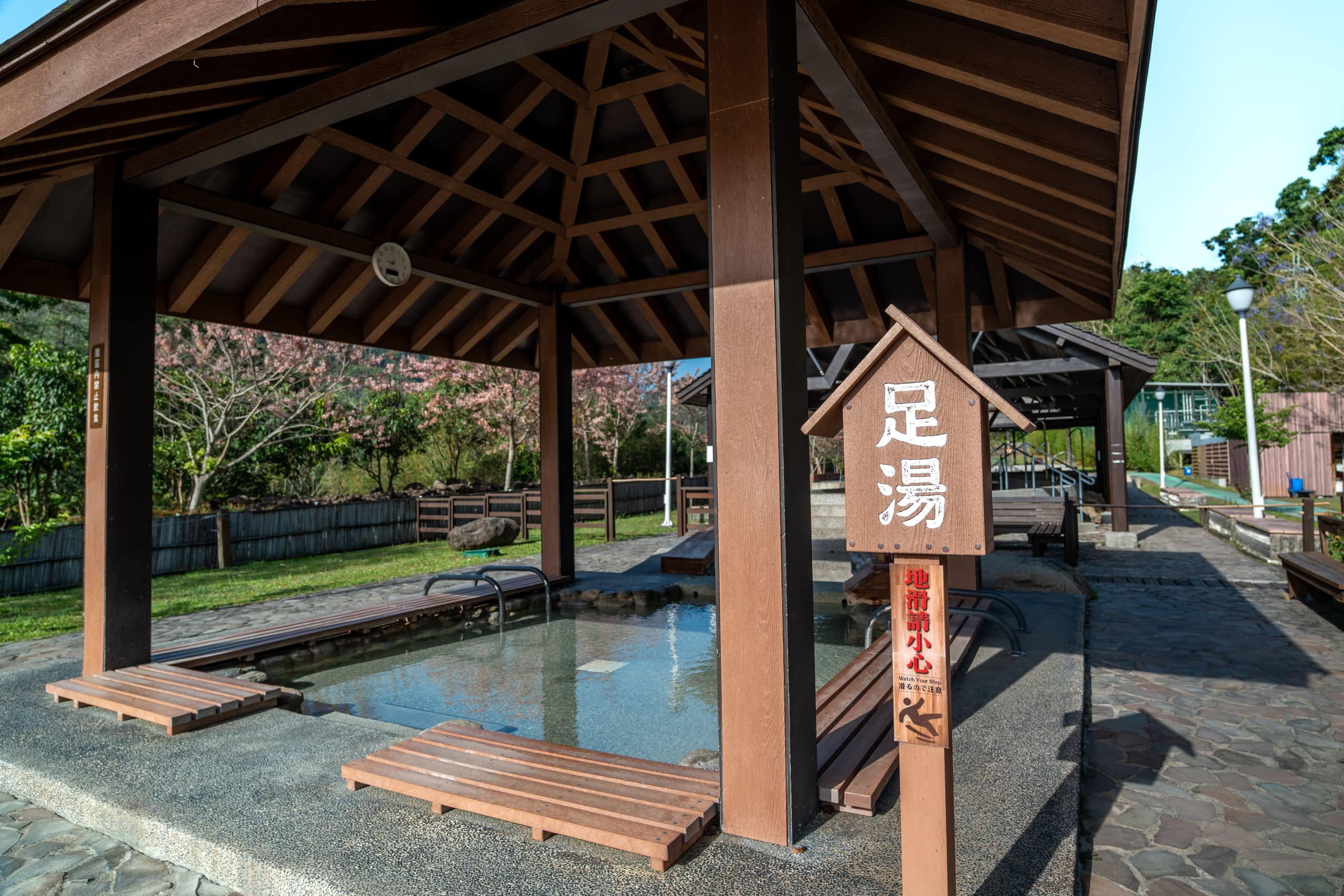
Zhiben · Restorative Hot Springs · A Story About Slowing Down
Doing Nothing Is Also a Way of Arriving
The finest scenery in eastern Taiwan. The alkaline-carbonate "Beauty Spring," forest mist at dawn, and a pot of Luye Red Oolong — Zhiben is where Taitung teaches you to slow down.
Sam Hu·Updated 2026-05-29 · 5 min read
In Taiwan, there is one kind of hot spring you can only reach after you've learned to rappel down a cliff. And there is another that asks the exact opposite of you — you need do nothing at all, only hand yourself over.
The second is called Zhiben Hot Spring (知本溫泉). It lies about thirty minutes south of Taitung City, in the valley of the Zhiben River, cradled by forest and mountains. Since the Japanese era it has been Taitung's most famous hot-spring town, and the old folk gave it a grand name: "the finest scenery in eastern Taiwan" (東台第一景).
The finest scenery in eastern Taiwan
The water of Zhiben rises from deep within the Central Mountain Range.
According to the Taitung Tourism Travel Network, the Zhiben spring is an alkaline-carbonate spring — colorless, odorless, clear — its water reaching nearly the boiling point and rich in minerals. Because it leaves the skin soft and smooth, people gave it a lovely nickname: the "Beauty Spring" (美人湯).
It carries none of the sulfur smell of the northern springs, and asks none of the daring that a wild river spring demands. The waters of Zhiben have been tamed, tended by one generation after another — along both banks of the valley, hot-spring inns stand one beside the next, from the wooden lodging houses of the Japanese era to today's hot-spring hotels. This valley has been soaking for nearly a hundred years.
You need do nothing
Our age is very good at "arranging." We even pack our days off full of sights to see, step counts to hit, photos to fill the camera.
But Zhiben is here to remind you: there is a kind of arrival that consists of doing nothing at all.
Drop your bags in the room, change into a yukata, and step into that steaming pool. The warmth slowly loosens the knots in your shoulders; the valley wind comes in through the window, carrying the scent of the forest. And you'll notice, for the first time, that you aren't waiting for the next thing on the itinerary.
「The best hot spring soaks away not your tiredness, but all the things you thought you had no choice but to do.
」
This is also why Zhiben suits two people so well. No rushing, no crowds, no following someone else's flag — one pool of water, one good meal, one morning of sleeping until you wake on your own: that is the whole itinerary.
An afternoon and a pot of Red Oolong
After the soak, the people of Taitung pour a pot of tea. And just north of Zhiben lies Luye (鹿野) — home of Red Oolong (紅烏龍).
Red Oolong is Luye's signature: half-fermented, amber in the cup, with the sweet aroma of ripe fruit and honey on the first sip and a lingering sweetness that returns at the end. Together with the local Fulu tea (福鹿茶), it is one of two gifts the valley offers the palate. Many of Zhiben's hot-spring hotels serve Red Oolong straight through their afternoon tea — the looseness of the soak, paired with the warmth of the cup, is the kind of afternoon that older travelers know best how to savor.
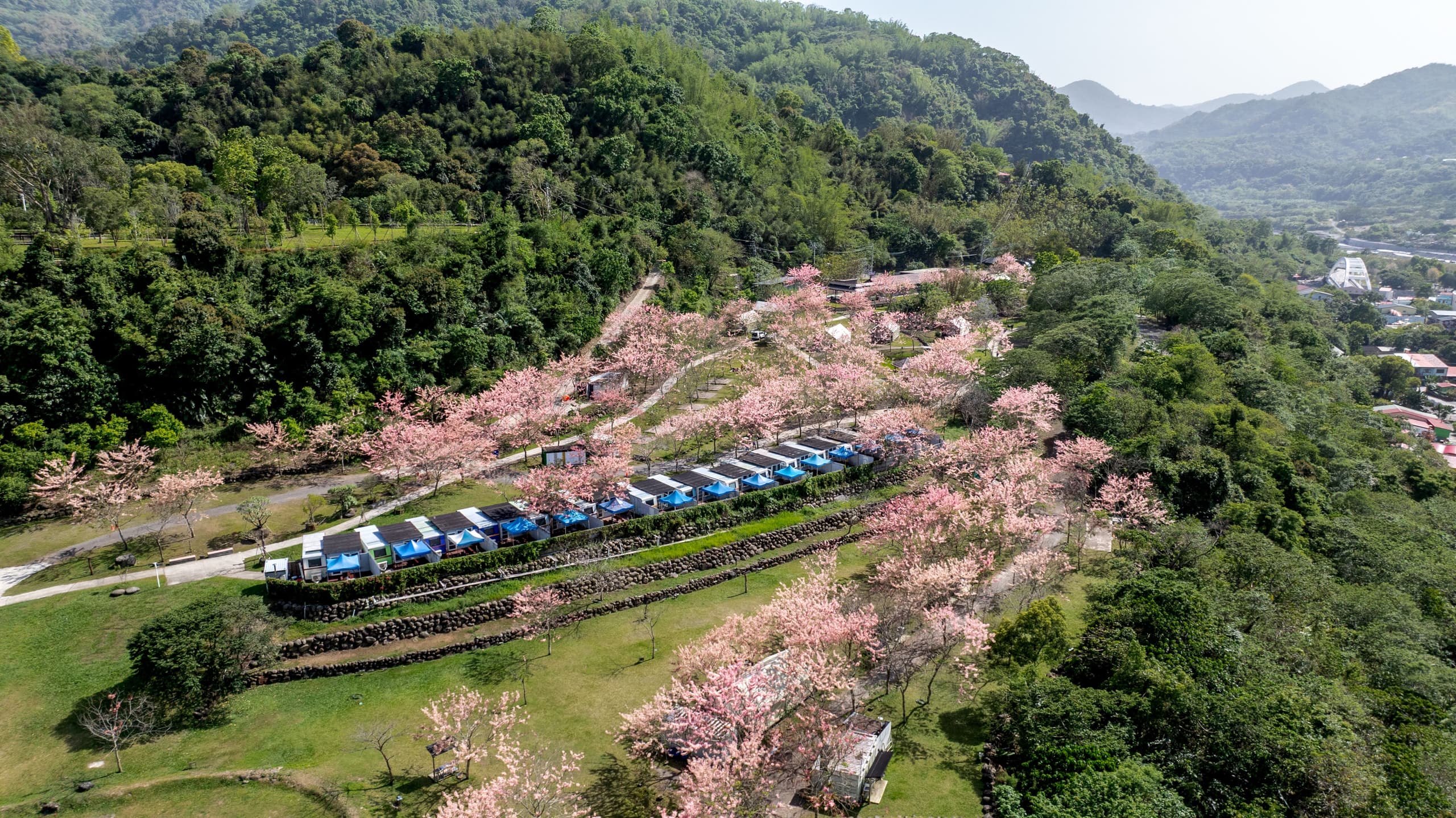
No need to hurry. A single pot of Red Oolong can carry you slowly through an entire afternoon, watching the mist drift down from the peaks and rise back up again.
The forest is right there
Zhiben is not only hot springs.
At the head of the valley lies Zhiben National Forest Recreation Area (知本國家森林遊樂區) — a stretch of low-altitude primeval forest where the aerial roots of century-old banyans (白榕) hang down like curtains, with easy trails and quiet forest bathing. Zhiben is at its loveliest at dawn: the morning mist lifts off the surface of the river and catches in the treetops, and the whole valley looks as though it has just woken from sleep.
Many people come to Zhiben and remember only the soak, missing that stretch of road at first light. But a walk through the forest before the bath is the step that truly opens the body.
How to plan your Zhiben hot-spring trip
- Location: about a thirty-minute drive south of central Taitung City, divided into an "outer spring district" and an "inner spring district"; most hot-spring hotels are clustered in the inner district
- Spring type: alkaline-carbonate spring, colorless and odorless, known as the "Beauty Spring" (source: Taitung Tourism Travel Network)
- Ways to soak: public nude pools, private hot-spring rooms, or an in-room bath at a hot-spring hotel — modest or lavish, the choice is yours
- Best season: autumn and winter are the most comfortable, and each year as winter arrives there's the "Zhiben Hot Spring Festival"; in summer, soak at dawn or dusk instead
- How to pair it: spend the morning at Zhiben National Forest Recreation Area, the afternoon soaking with Red Oolong, then the next day pick up the South-Link (南迴) road and drive slowly on to Duoliang and Taimali
- A note for two: Zhiben suits a journey that isn't in a hurry — handing the wheel to a private-car steward and leaving the itinerary blank is the most fitting way to do this place
Afterword
Lisong Hot Spring asks you to rappel four hundred meters for thirty minutes of quiet; Zhiben asks the opposite — it has everything ready for you, and demands only one thing: let go.
We are less and less able to rest. We mistake rest for changing locations and going on scrolling, going on answering messages, going on arranging.
But the water of Zhiben will teach you: real rest is allowing yourself to do nothing at all. Sink into that nearly hundred-year-old spring, and let the valley mist, the scent of the forest, and the sweetness of a pot of Red Oolong slowly soften you.
And in that moment you'll remember — so this is what it feels like to relax.
Love this restorative, hot-spring rhythm? We've made it into a complete journey: Valley Starlight × Hot-Spring Wellness, 3 Days — making your home the Luming Hot Spring Hotel in the valley, where you can soak right in your room and never have to rush off afterward.
Next —
Want to turn this place into a trip?
Leave the car, the stay, the food, and the guide to us — a team that actually lives in Taitung. Message us on LINE with where and when, and we'll make it real.
A rough plan & quote the same day · no charge unless you're happy · no hard sell
See the related trip →Image credits
- Hero: 花東縱谷國家風景區管理處 · media.taiwan.net.tw · 政府資料開放授權條款 第 1 版
- Secondary: 花東縱谷國家風景區管理處 · media.taiwan.net.tw · 政府資料開放授權條款 第 1 版
Sources
More stories —
Other local stories
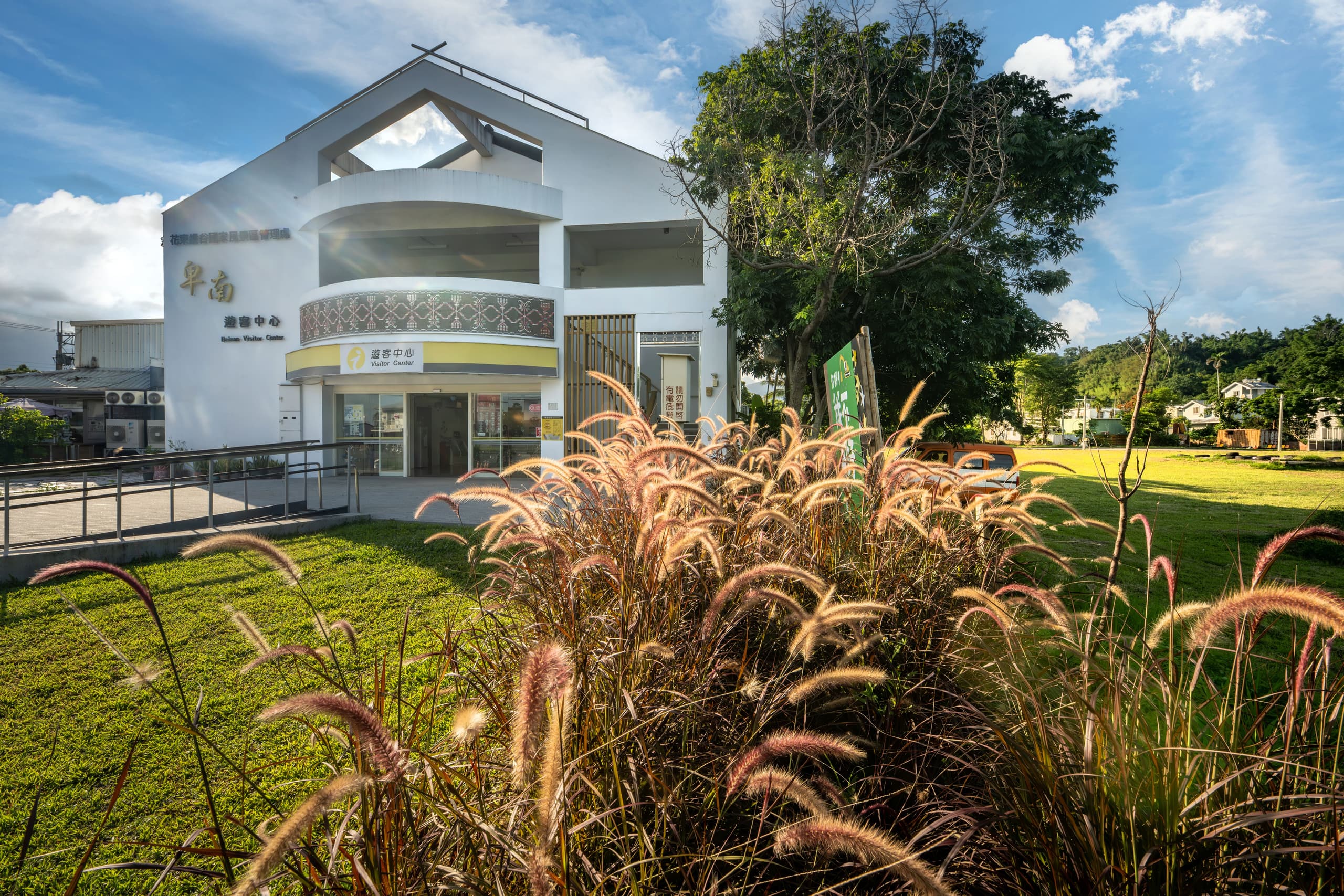
Beinan Site · Prehistoric Culture · A 5,000-Year Story
5,000 Years Ago, People Were Already Lighting Fires, Eating, and Burying Their Dead in Taitung
The Beinan Site, beside Kangle Station in Taitung City, is the largest prehistoric settlement ever found in Taiwan and the largest slate-coffin burial ground anywhere in the Pacific Rim and Southeast Asia. The Beinan Culture, which flourished here from roughly 5,000 to 2,300 years ago, left behind a complete record of dwellings, graves, jade, and pottery. Discovered in 1980 during construction of the South-Link Railway, it was excavated under archaeologists Sung Wen-hsun and Lien Chao-mei, yielding about 1,600 burials, over 99% of them slate coffins. The crescent stone pillars (3,500 years old) are the most striking remains still standing on the surface. For travellers who want to understand that Taitung was not first settled a mere hundred years ago.
2026-05-31 · 6 min read
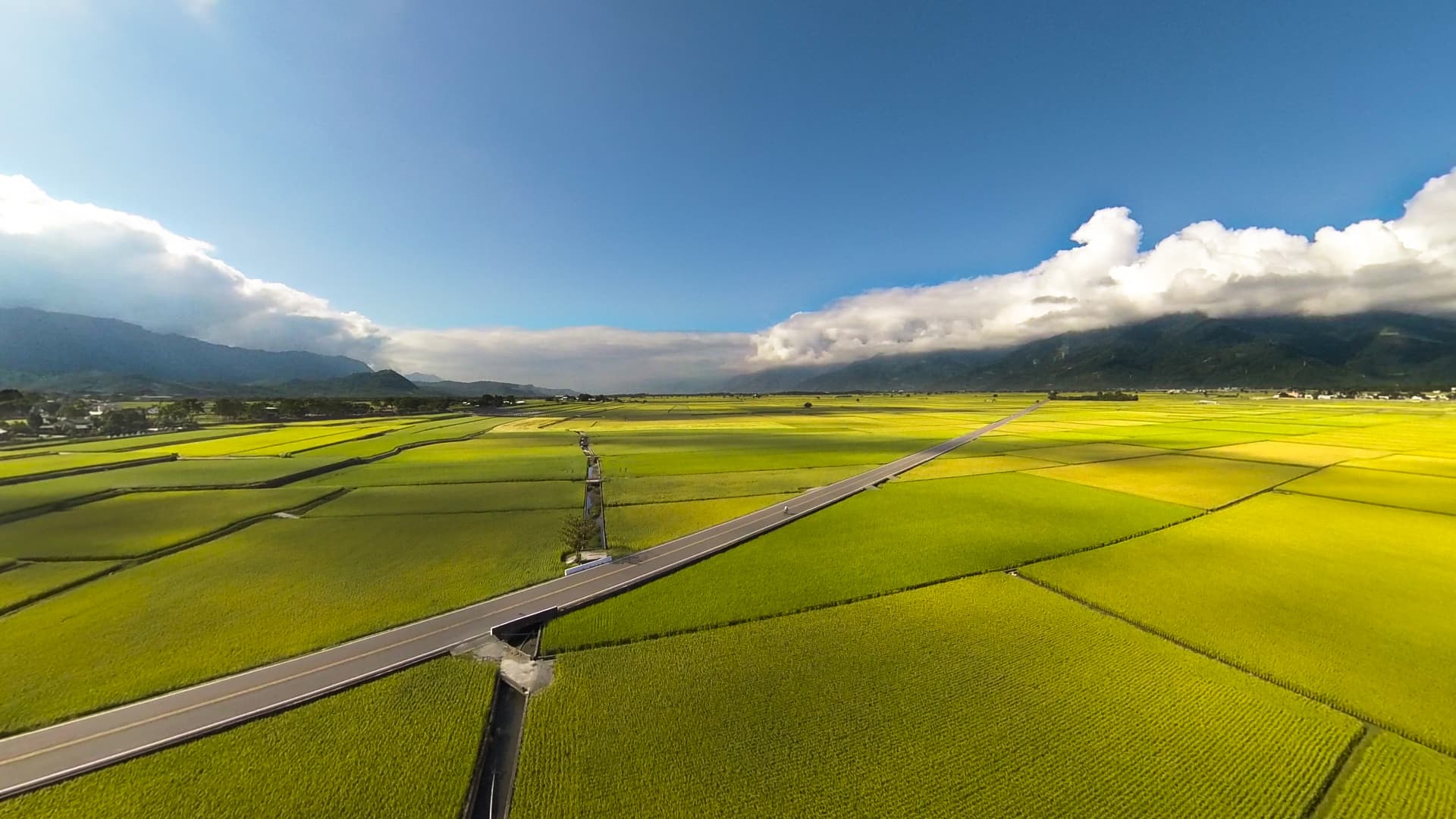
Brown Avenue · The Version Without the Photo Line · A Story from Chishang
A Tree Named "Tea Offering," Lent for a Decade to a Movie Star
Brown Avenue runs 2.2 kilometres along Jinxin Road No. 3 in Chishang Township, Taitung, deliberately kept clear of power poles and houses. After Takeshi Kaneshiro drank tea beneath its bishopwood tree for an airline commercial in 2013, the road became famous overnight — but since 2023, the official name of the "Takeshi Kaneshiro Tree" has reverted to its original "Tea Offering Tree." As people who live in Taitung, we offer you the truest story of this road — including the tree's real name, how Chishang locals actually ride it, and which season is right.
2026-05-31 · 5 min read