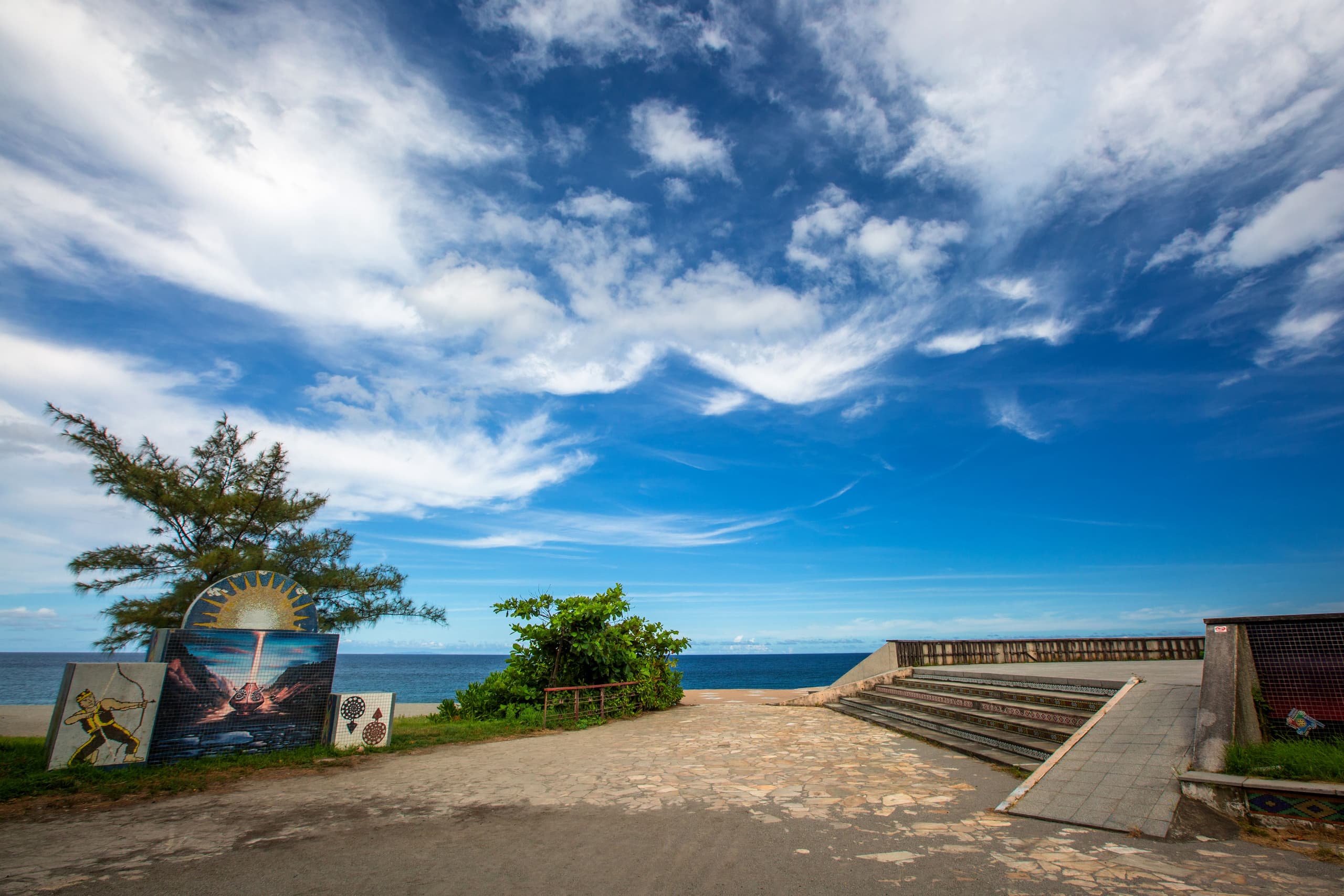
Taimali · Land of the Rising Sun · A Story of First Light
Taiwan's First Light
Of all the island, the Pacific sun touches here first. This is where Taiwan greeted the first dawn of the millennium.
Sam Hu·Updated 2026-05-28 · 4 min read
If the whole island of Taiwan were a single person, then Taimali would be the eye he opens first each morning.
When the Pacific sun lifts off the horizon, the first ray of it falls here, before anywhere else.
Land of the Rising Sun
Taimali sits at the southern end of Taitung County, its back to the mountains and its face to the sea — a long, narrow township unrolled along the Pacific.
Its name comes from the Paiwan (排灣族) language, and it means "the place where the sun rises." Generation after generation, the Paiwan have watched the sunrise from this coastline, long before it ever became a tourist's word — the sun has always been the alarm clock here.
This is no marketing line. Geographically, the Taitung coast is the stretch of Taiwan proper that the sun reaches first each day. And Taimali happens to face the open Pacific head-on, with no island standing in the way. So the title "Land of the Rising Sun" is one the earth's own turning has signed off on.
The First Light of the Millennium
On January 1, 2000, all of Taiwan turned its eyes to Taimali.
It was the first morning of the new millennium, and Taimali had been chosen as the place to welcome Taiwan's first millennial dawn. Tens of thousands poured onto the shore that day to wait for the light, and afterward the government built the Millennium Dawn Memorial Park here.
More than twenty years on, every New Year's morning still draws people who drive out in the dark, just to watch the year's first sun climb up out of the Pacific.
「The sun stops for no one, but it returns every single day.
」
A Railway Crossing Straight Out of a Comic
In recent years, Taimali went viral online thanks to a single railway crossing.
Near Taimali train station there is a level crossing where the backdrop is the deep blue Pacific and the tracks run out toward the sea — uncannily like the crossing in front of Kamakura High School in the opening of the Japanese anime Slam Dunk.
So it earned a nickname: the "Sakuragi Hanamichi Crossing." Countless people make the trip just to wait for a South-Link Line train to pass and capture that moment when the comic comes to life.
This is another kind of "light" Taimali offers — not the light of sunrise, but the light of a whole generation's youth.
A Sunrise Above a Sea of Clouds on Jinzhen Mountain
Taimali's sunrise isn't only by the sea.
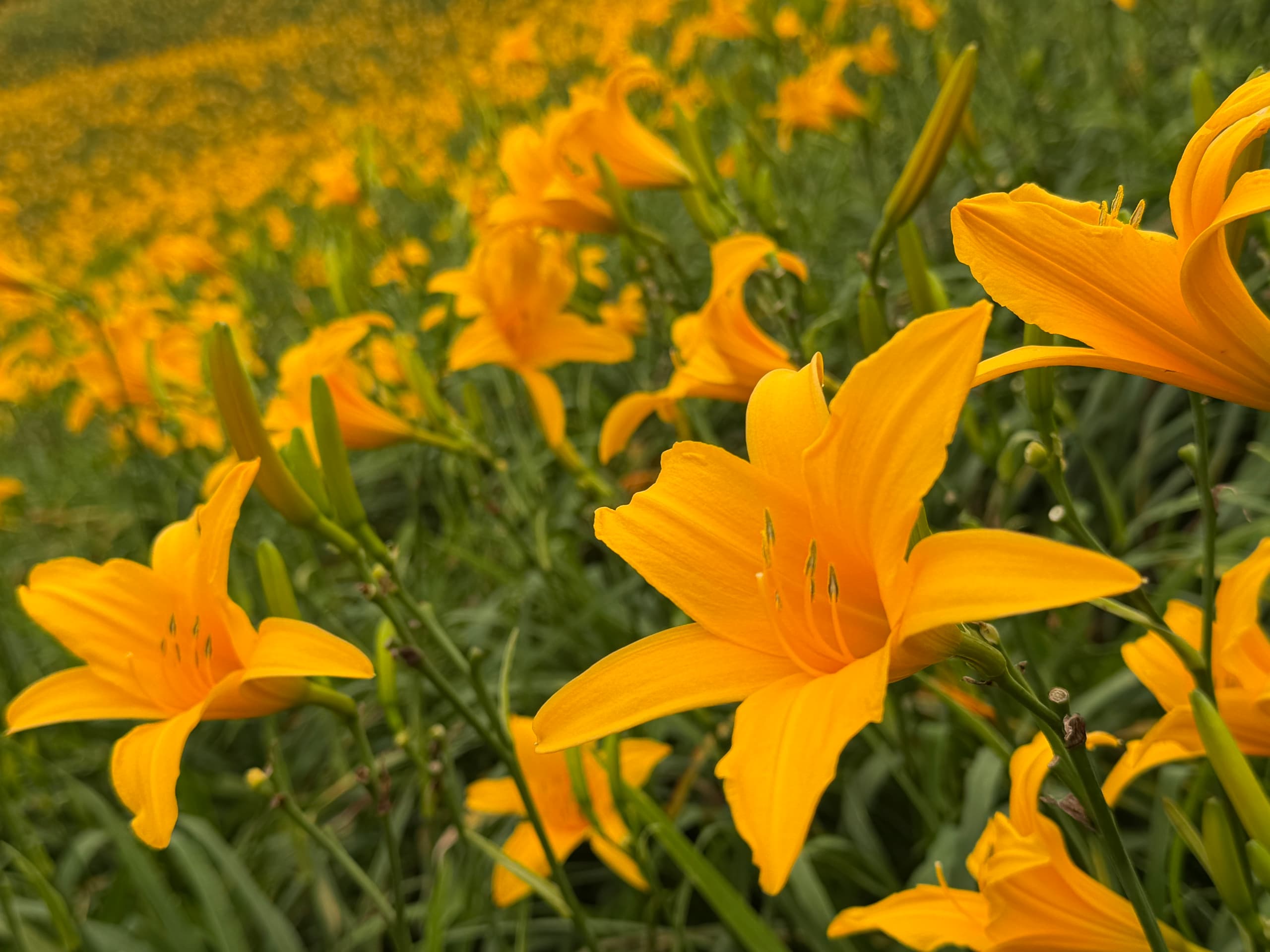
Drive up into the hills and you reach Jinzhen Mountain (金針山). For a few weeks — roughly mid-August to late September — the whole crest is dyed gold with daylilies (金針花); and all year round, the Wangyou Pavilion (忘憂亭) is a secret place to watch the sun come up — look out toward the Pacific from that height and, with a little luck, a whole sea of clouds spreads below your feet while the sun rises from its far edge.
The seaside sunrise is grand; the mountain sunrise is dreamlike. Taimali has both.
In 2026, Even the Hot-Air Balloons Came Here for Sunrise
In 2026, Taimali's first light gained a companion.
At four in the morning on July 23, the 2026 Taiwan International Balloon Festival moved its single "dawn glow" session to the Taimali Dawn Memorial Park — while most people were still waiting for daybreak at Luye Highland (鹿野高台), the balloons here chose to glow quietly to life inside the Pacific's first light.
Of the festival's eight night-glow concerts, this was the only one held not in the dark but at daybreak. The location was no accident: to see Taiwan's earliest sunrise, you were always meant to come to Taimali.
How to See Taimali's First Light
- Seaside sunrise:
- Millennium Dawn Memorial Park and the Taimali shoreline (the easiest place to photograph the dawn)
- The "Sakuragi Hanamichi Crossing" beside Taimali station (sunrise + train + sea)
- Mountain sunrise: Wangyou Pavilion on Jinzhen Mountain (you'll need to drive up; high odds of a sea of clouds in winter)
- Best seasons:
- Around New Year's Day (millennial-dawn atmosphere + crowds)
- Mid-August to late September (daylily peak + sunrise over both sea and mountain)
- Timing: sunrise shifts with the season — roughly 05:00 in summer, around 06:30 in winter. Check the exact sunrise time the night before.
- A note: catching the sunrise means setting out in the dark, and the mountain roads are full of bends — it's wise to go with a local guide or someone who knows the way.
Afterword
We live in an age when it's hard to rise early. The alarm goes off three times, we linger in bed, and then we steal back the sleep on the commute.
But in Taimali, there's a kind of early rising that's worth it — you get up for a single ray of light, stand on the coast that wakes earliest in all of Taiwan, and watch the sun climb up from the far end of the Pacific. In that moment there is no phone, no notifications, no to-do list.
Only light, inch by inch, opening the world again.
This is Taiwan's first light. And it may also be a morning you haven't truly looked at in a long, long time.
Next —
Want to turn this place into a trip?
Leave the car, the stay, the food, and the guide to us — a team that actually lives in Taitung. Message us on LINE with where and when, and we'll make it real.
A rough plan & quote the same day · no charge unless you're happy · no hard sell
See the related trip →Image credits
- Hero: 花東縱谷國家風景區管理處 · media.taiwan.net.tw · 政府資料開放授權條款 第 1 版
- Secondary: 花東縱谷國家風景區管理處 · media.taiwan.net.tw · 政府資料開放授權條款 第 1 版
Sources
More stories —
Other local stories
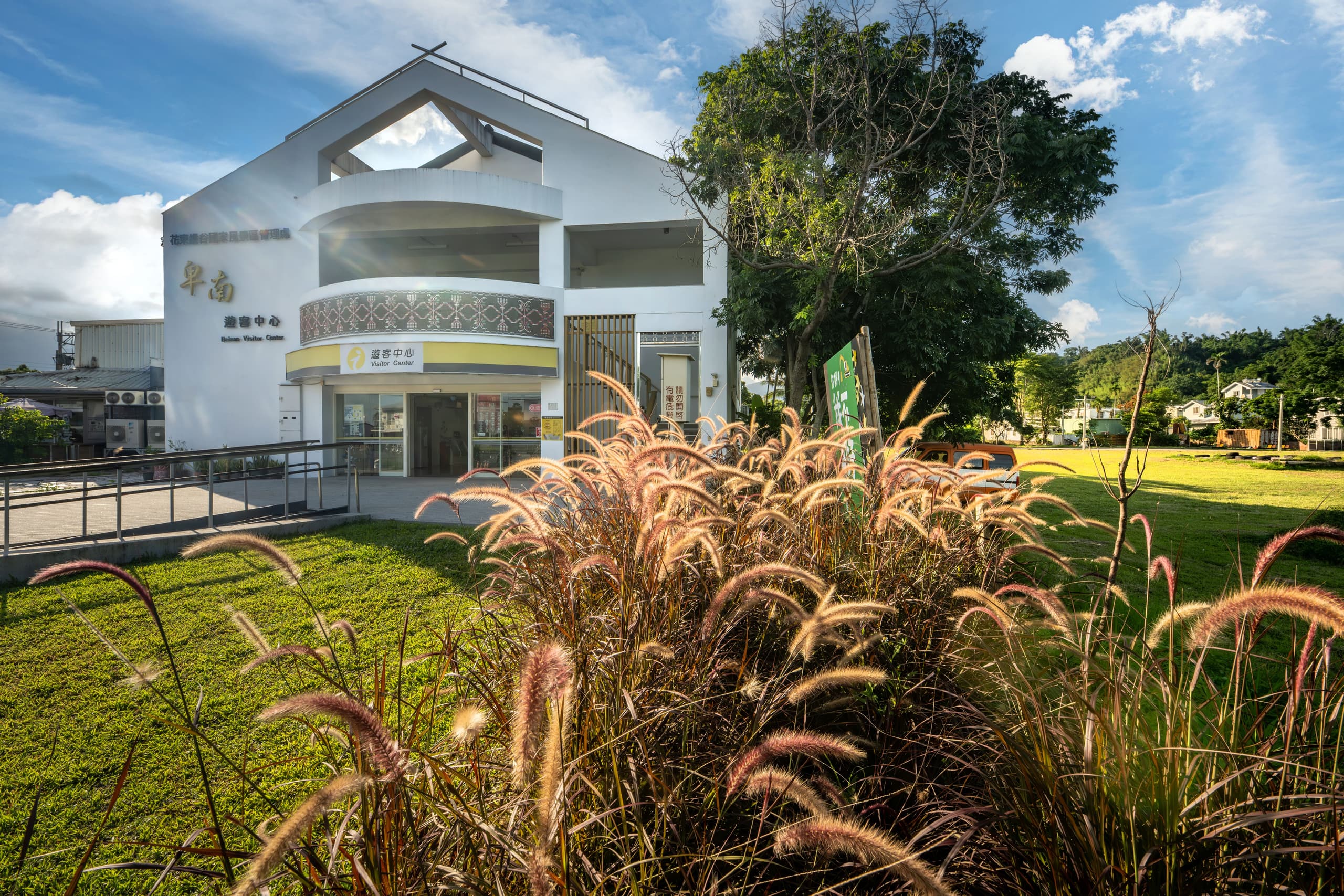
Beinan Site · Prehistoric Culture · A 5,000-Year Story
5,000 Years Ago, People Were Already Lighting Fires, Eating, and Burying Their Dead in Taitung
The Beinan Site, beside Kangle Station in Taitung City, is the largest prehistoric settlement ever found in Taiwan and the largest slate-coffin burial ground anywhere in the Pacific Rim and Southeast Asia. The Beinan Culture, which flourished here from roughly 5,000 to 2,300 years ago, left behind a complete record of dwellings, graves, jade, and pottery. Discovered in 1980 during construction of the South-Link Railway, it was excavated under archaeologists Sung Wen-hsun and Lien Chao-mei, yielding about 1,600 burials, over 99% of them slate coffins. The crescent stone pillars (3,500 years old) are the most striking remains still standing on the surface. For travellers who want to understand that Taitung was not first settled a mere hundred years ago.
2026-05-31 · 6 min read
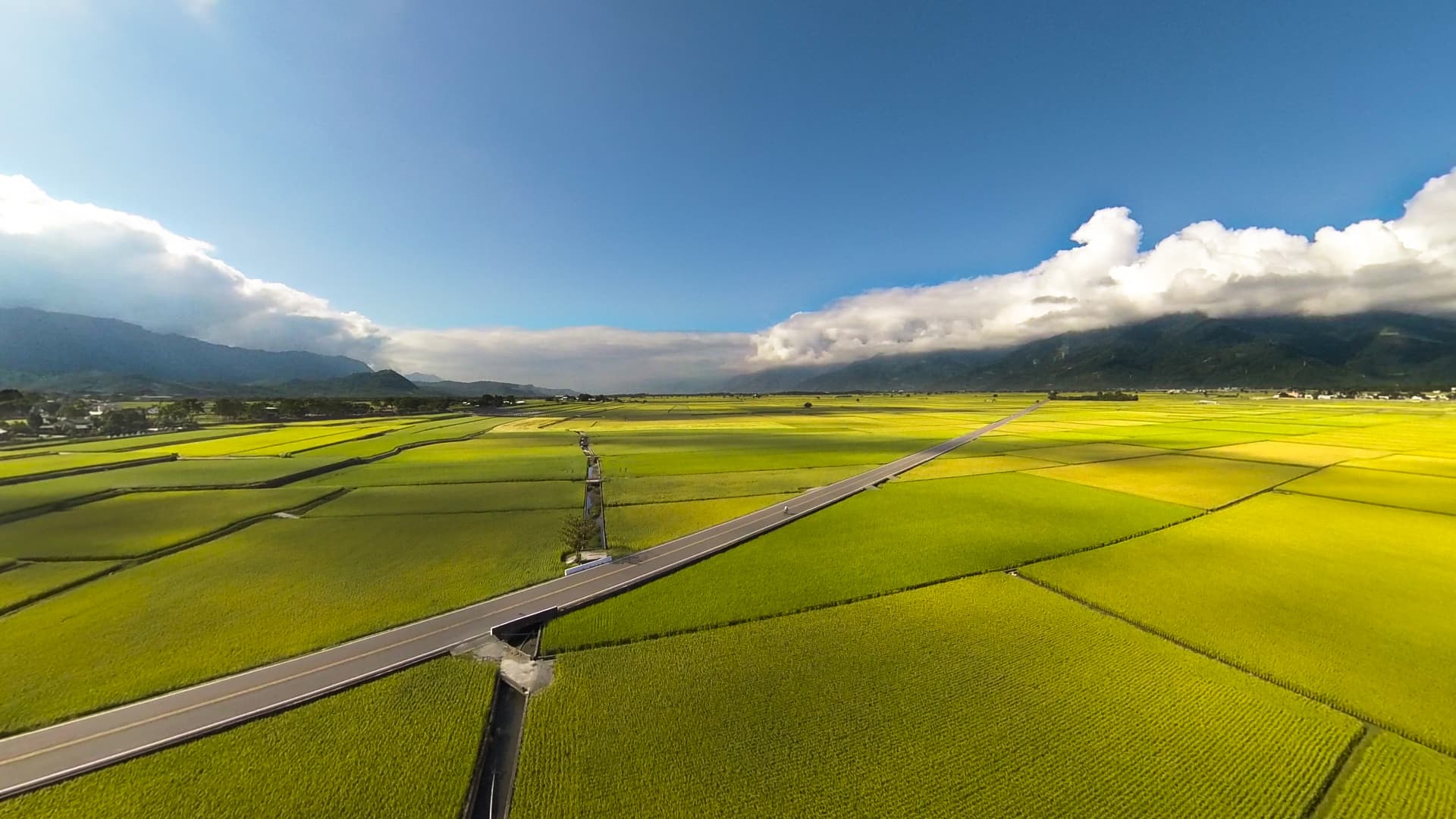
Brown Avenue · The Version Without the Photo Line · A Story from Chishang
A Tree Named "Tea Offering," Lent for a Decade to a Movie Star
Brown Avenue runs 2.2 kilometres along Jinxin Road No. 3 in Chishang Township, Taitung, deliberately kept clear of power poles and houses. After Takeshi Kaneshiro drank tea beneath its bishopwood tree for an airline commercial in 2013, the road became famous overnight — but since 2023, the official name of the "Takeshi Kaneshiro Tree" has reverted to its original "Tea Offering Tree." As people who live in Taitung, we offer you the truest story of this road — including the tree's real name, how Chishang locals actually ride it, and which season is right.
2026-05-31 · 5 min read