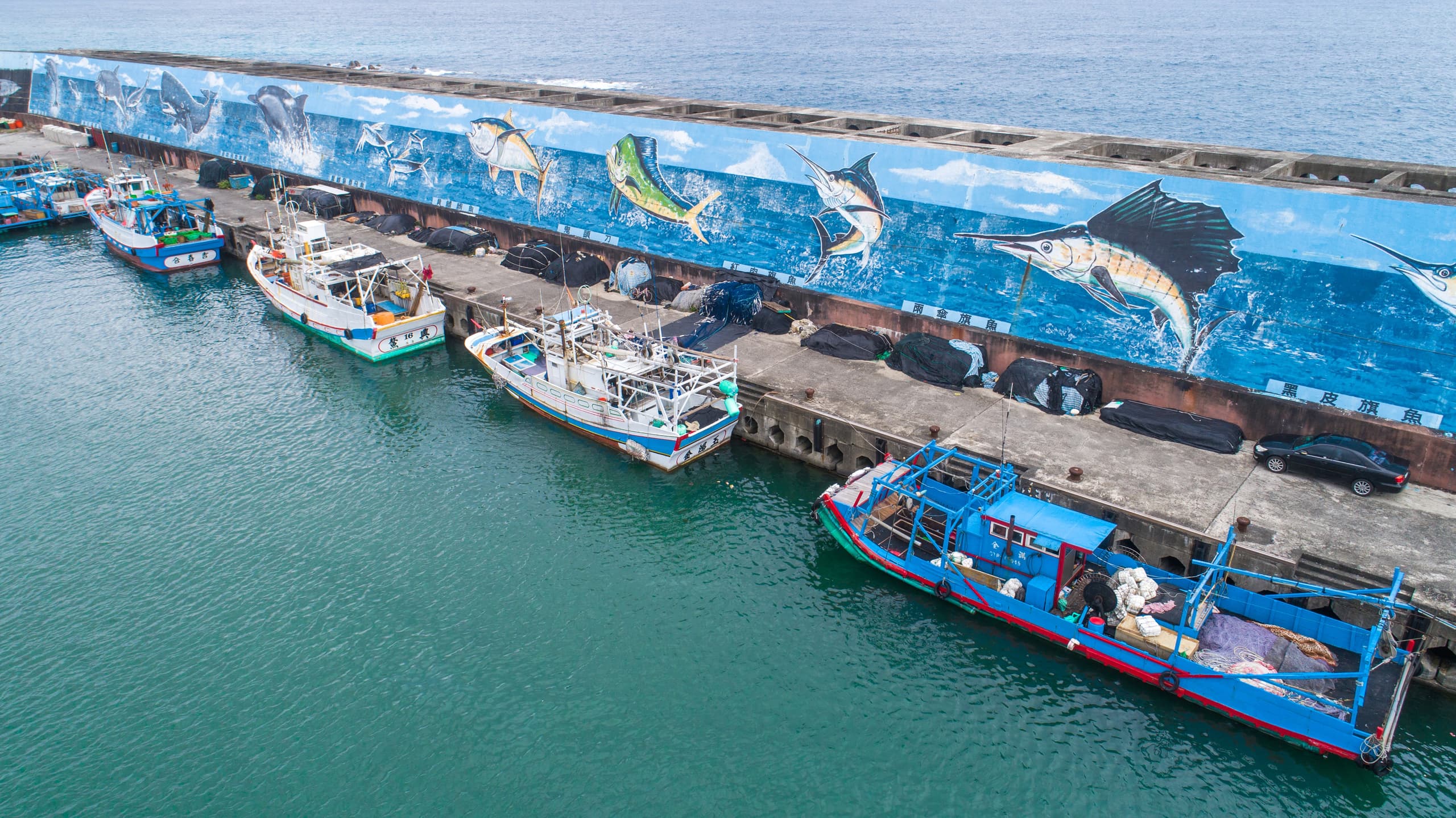
Chenggong · Billfish Season · A Fishing-Port Story
To Spear One Billfish, You Stand on the Waves for Three Hours
When September arrives, Chenggong's Xingang harbour comes alive. The harpoon boats put out, the fish market rings with the cry of the auction, and on the table sits that slice of just-landed billfish sashimi — the most flavourful season on the East Coast.
海岸編輯室·Updated 2026-05-31 · 5 min read
Every September, the morning at Chenggong's Xingang harbour begins two hours earlier than usual.
By three in the morning the fishermen are already readying the boats. A four-metre iron harpoon, ropes, fuel — everything in its place, and out to sea by four.
Out toward the line of the horizon, the Kuroshio is running north, and the billfish are following it back to the East Coast.
Spearing Billfish Is Work You Do Standing on the Waves
Harpoon-billfishing is the most famous traditional fishing method in eastern Taiwan, born in the Japanese colonial era.
Unlike the longlines or trawl nets of the modern fleet, harpooning comes down to one man, one harpoon, one swell:
- The fisherman stands on the harpoon platform at the bow (a wooden deck jutting out over the prow)
- The boat creeps forward at low speed through the swell
- The harpooner scans the surface with his own eyes, watching for the instant a dorsal fin breaks the water
- He reads the boat's speed, the run of the waves, the fish's heading — then raises the harpoon, takes aim, and throws
A single throw lands less than three times in ten. If you miss three times for every one that strikes, you are already counted among the best.
Spearing billfish isn't work for strength, it's work for patience. You stand for three hours, four hours, soaked through by the spray — all of it for that one second.
In all of Taiwan, this method survives intact only here — Chenggong, whose harbour is still called Xingang (新港), its Japanese-era name. Because here there is the Kuroshio, there are hidden reefs, and there are people willing to spend a whole morning waiting on a single fish.
Three Fish, Three Seasons
| Season | Main Catch | Character |
|---|---|---|
| September–March | black marlin / striped marlin | the peak of billfish season, the height of the harpoon fishery |
| March–June | mahi-mahi (鬼頭刀) | a regional specialty of the east, sweet and tender |
| April–July | flying fish | the traditional catch of the Amis (阿美族); dried flying fish is a staple of the villages |
So "the best season to visit Chenggong Fishing Port" depends on what you want to eat — to watch live billfish landed off the harpoon boats, come September through November; for mahi-mahi, come April or May; to see the Amis flying-fish festival, come May or June.
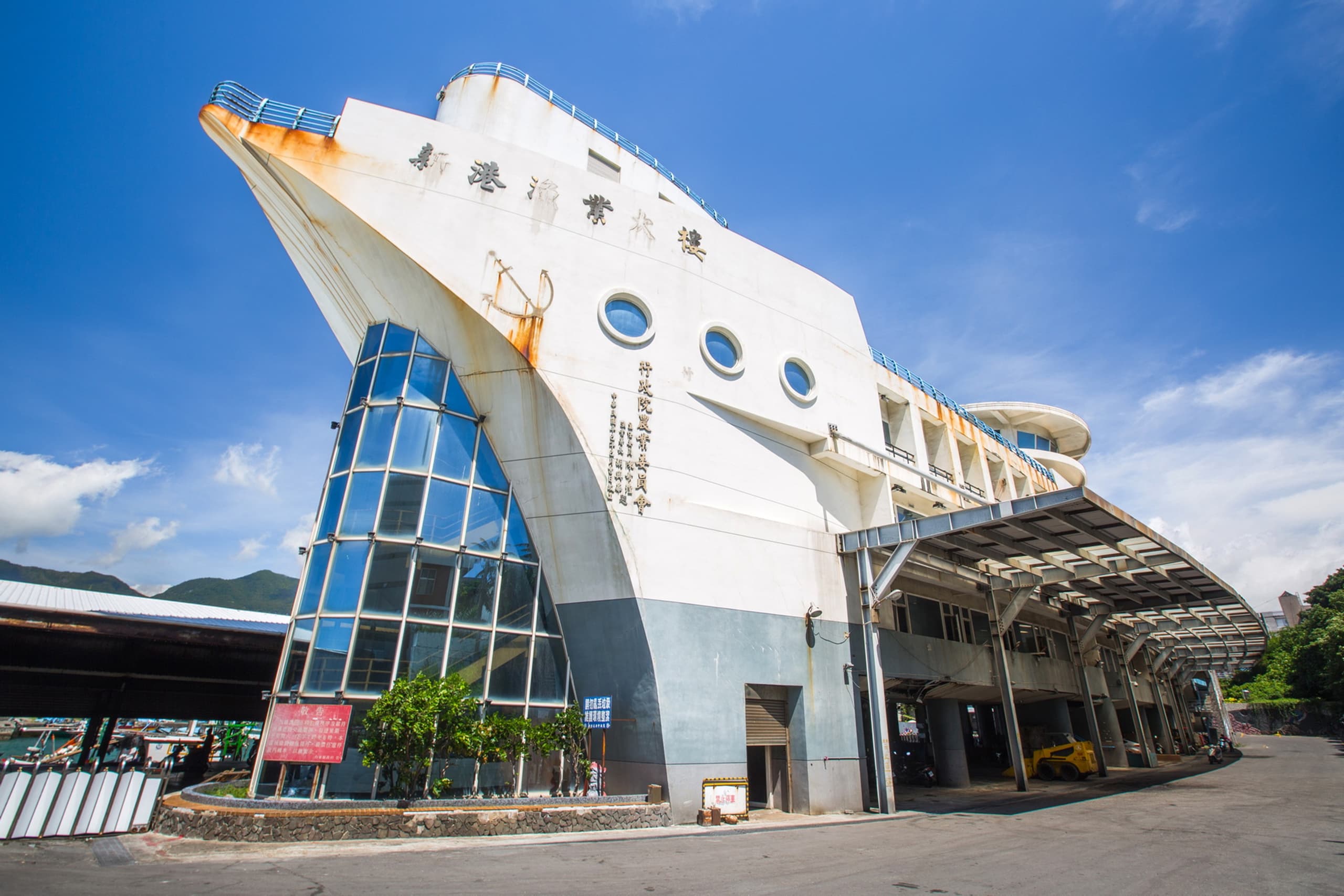
How a Billfish Reaches the Table
A billfish speared off Chenggong goes from boat to plate in as little as four hours:
- 05:00–08:00: the harpoon boats come in one after another, and the fishermen haul the fish ashore
- 08:00: the Xingang Fish Market opens, and buyers — restaurants, wholesalers, retailers — bid on the spot
- 09:00–12:00: the fish are carried into the seafood-restaurant kitchens across from the market, sliced into sashimi, simmered into soup, grilled into steaks
- From 12:00: out to the table comes billfish sashimi landed that very morning
This is exactly why the billfish sashimi at Chenggong Fishing Port is sweeter than at any sushi counter in Taipei — not because of the chef's skill, but because the gap in freshness is simply too wide.
「The taste of the east — you will never understand it until you have eaten a single slice of billfish straight from the water.
」
How to Eat Chenggong's Seafood
The Local Way to Order
- Seafood restaurants (across from the market, several of them): the classic trio of billfish sashimi + mahi-mahi soup + flying-fish-roe sausage
- Harbour breakfast: billfish rice-noodle soup, served from four or five in the morning until noon
- Buying fresh at the market: at the fish market you can buy whole fish straight off the boat, sold by the catty — over a third cheaper than in Taipei
- Cut to order: some stalls offer a fresh-sliced sashimi service — buy a whole fish and have the vendor slice it into sashimi right there
A One-Day Itinerary
| Time | Plan |
|---|---|
| 05:00 | Sunrise at Sanxiantai (三仙台) (summer) |
| 07:00 | ten-minute drive to Chenggong's Xingang harbour |
| 07:30 | watch the harpoon boats land their catch (busiest September–November) |
| 08:30 | breakfast: billfish rice-noodle soup |
| 10:00 | wander the Xingang Fish Market, pick up gifts (dried flying fish, sea salt) |
| 12:00 | seafood restaurant: freshly sliced billfish sashimi |
| 14:00 | continue north along Provincial Highway 11 (Baxiandong Caves, Changbin) or head back south to Dulan |
Corners That Are Easy to Miss
- Pisirian PaWuPawu Village (比西里岸): less than ten minutes south of Chenggong, with the goat-horn-creature land-art installation, a permanent exhibit of the East Coast Land Arts Festival each June through September
- Chenggong Elementary School: the loveliest school along this stretch of coast, its playground facing straight out onto the Pacific
- Xingang Tianhou Temple (新港天后宮): a century-old temple beside the harbour, where the old fishermen come before they head out to sea
- Chenggong Old Street: streetscapes left from the fishery's heyday in the 1950s, and rarely a tourist in sight
How to Get to Chenggong
- By car: about one hour north from central Taitung along Provincial Highway 11 (45 km)
- By private hire: recommended. Sunrise at Sanxiantai plus a Chenggong harbour breakfast is a classic pairing
- By bus: the Taiwan Tourist Shuttle East Coast Line (daytime departures)
A Closing Word
What Chenggong taught me is this — the freshness of food cannot be faked.
From the harpooner putting to sea, to the auction at the market, to the slicing in the kitchen, to the dish set down on the table — a freshness completed within four hours is something no cold chain, no transport, no packaging can imitate.
Next time you crave billfish sashimi, don't go looking for it in Taipei. Come to Chenggong, and come ashore with the Kuroshio.
Further reading:
- To pair with the Sanxiantai sunrise: Across Eight Arches, to the Island the Three Immortals Left Behind
- To travel the whole East Coast: East Coast Tribes, 3 Days
Next —
Want to turn this place into a trip?
Leave the car, the stay, the food, and the guide to us — a team that actually lives in Taitung. Message us on LINE with where and when, and we'll make it real.
A rough plan & quote the same day · no charge unless you're happy · no hard sell
See the related trip →Image credits
- Hero: 花東縱谷國家風景區管理處 · media.taiwan.net.tw · 政府資料開放授權條款 第 1 版
- Secondary: 花東縱谷國家風景區管理處 · media.taiwan.net.tw · 政府資料開放授權條款 第 1 版
Sources
More stories —
Other local stories
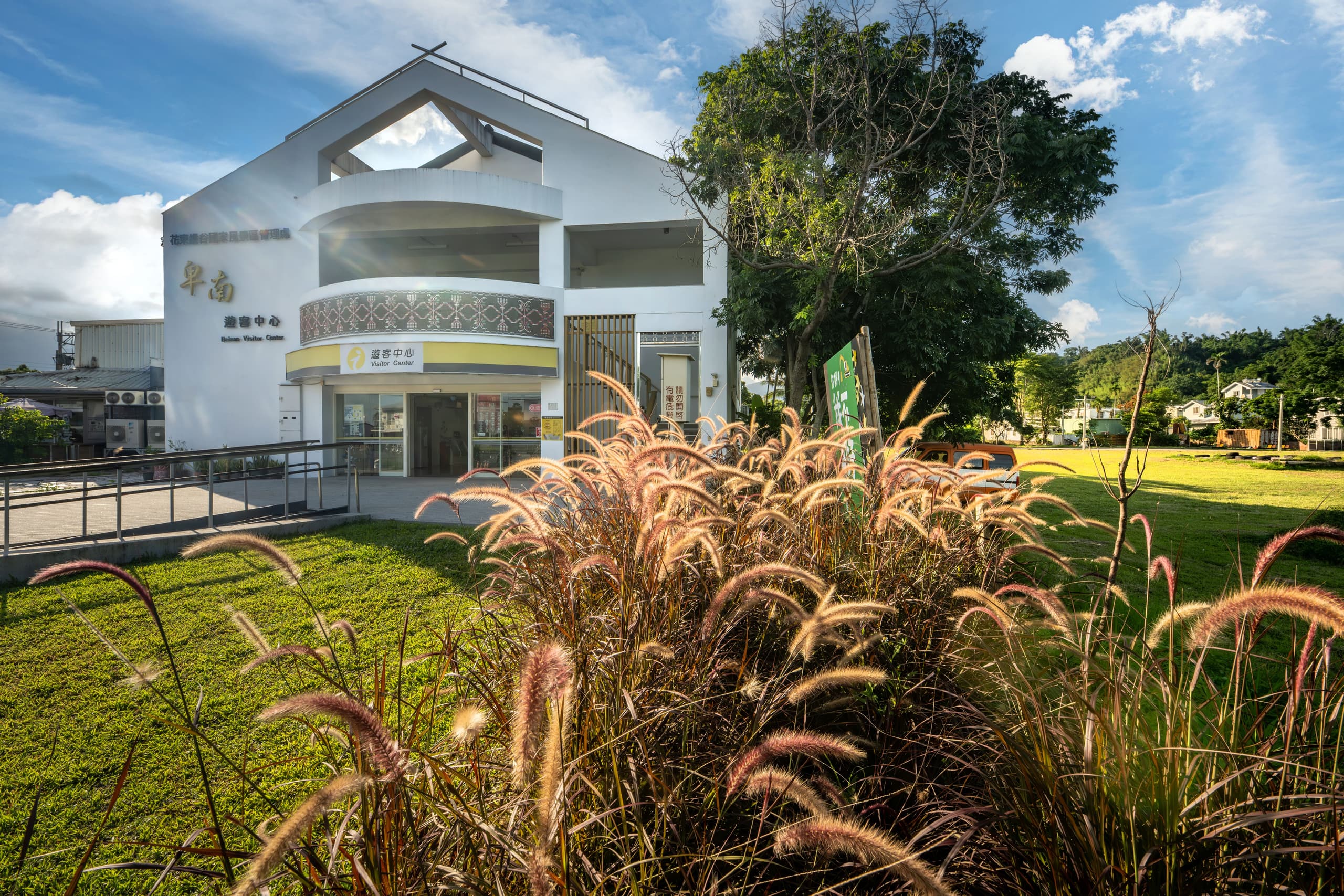
Beinan Site · Prehistoric Culture · A 5,000-Year Story
5,000 Years Ago, People Were Already Lighting Fires, Eating, and Burying Their Dead in Taitung
The Beinan Site, beside Kangle Station in Taitung City, is the largest prehistoric settlement ever found in Taiwan and the largest slate-coffin burial ground anywhere in the Pacific Rim and Southeast Asia. The Beinan Culture, which flourished here from roughly 5,000 to 2,300 years ago, left behind a complete record of dwellings, graves, jade, and pottery. Discovered in 1980 during construction of the South-Link Railway, it was excavated under archaeologists Sung Wen-hsun and Lien Chao-mei, yielding about 1,600 burials, over 99% of them slate coffins. The crescent stone pillars (3,500 years old) are the most striking remains still standing on the surface. For travellers who want to understand that Taitung was not first settled a mere hundred years ago.
2026-05-31 · 6 min read
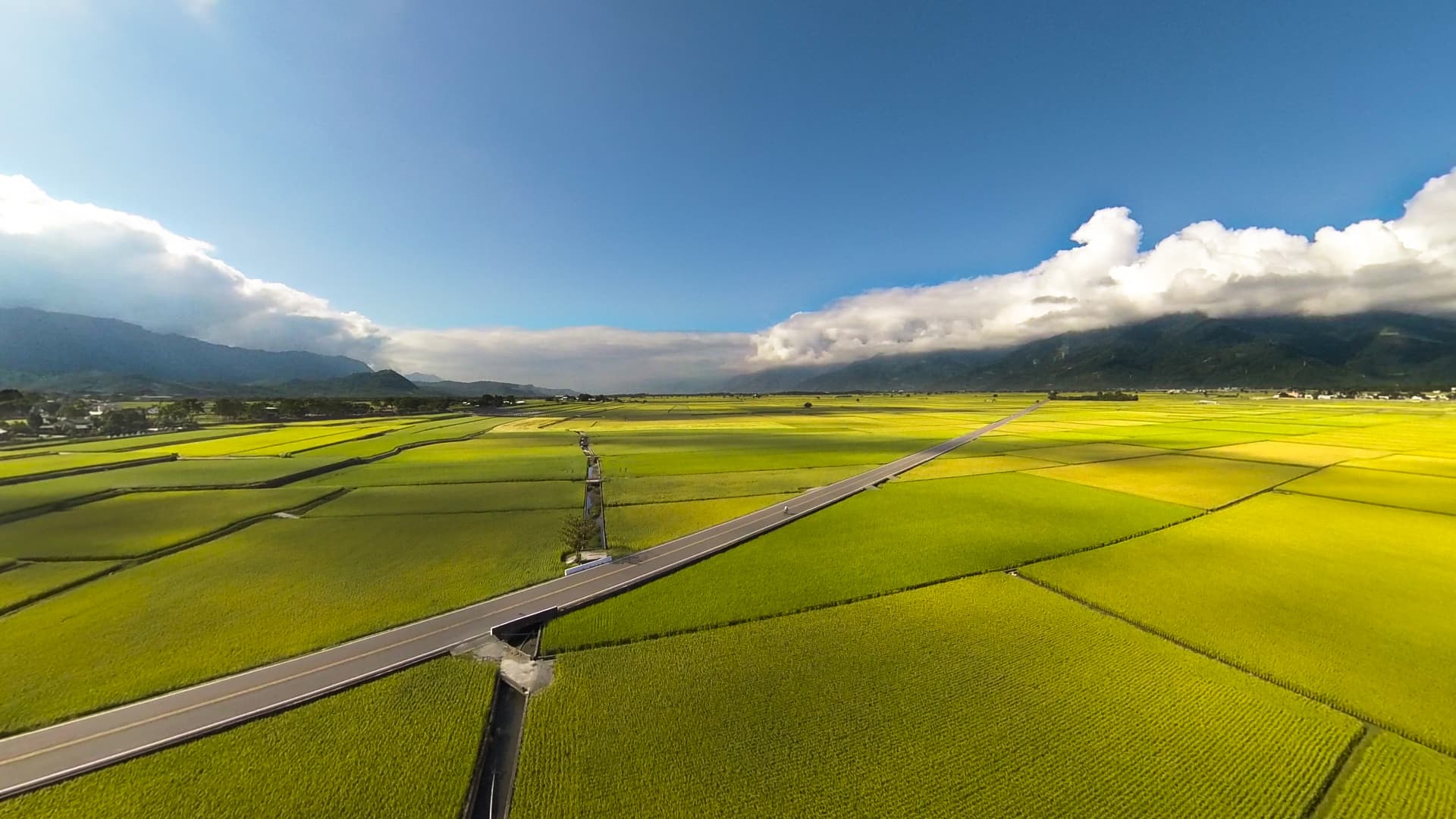
Brown Avenue · The Version Without the Photo Line · A Story from Chishang
A Tree Named "Tea Offering," Lent for a Decade to a Movie Star
Brown Avenue runs 2.2 kilometres along Jinxin Road No. 3 in Chishang Township, Taitung, deliberately kept clear of power poles and houses. After Takeshi Kaneshiro drank tea beneath its bishopwood tree for an airline commercial in 2013, the road became famous overnight — but since 2023, the official name of the "Takeshi Kaneshiro Tree" has reverted to its original "Tea Offering Tree." As people who live in Taitung, we offer you the truest story of this road — including the tree's real name, how Chishang locals actually ride it, and which season is right.
2026-05-31 · 5 min read