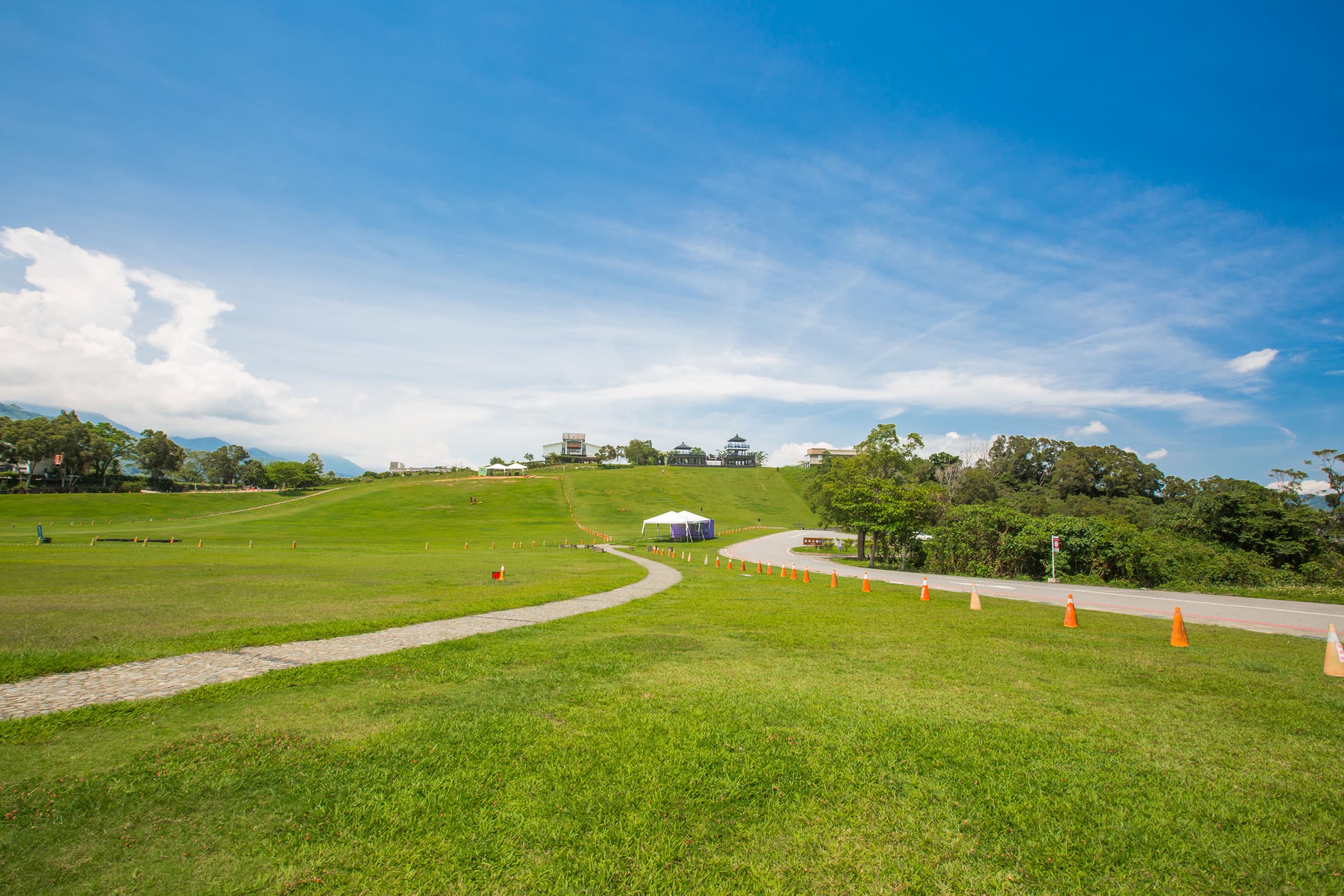
Luye · Sika Deer Park · A story for parents and children
The Place Where the Deer Walk to You
No need to fly to Nara. In Luye, Taitung, there is a meadow where the sika deer come to you of their own accord — Taiwan's "Little Nara."
縱谷編輯室·Updated 2026-05-29 · 4 min read
Some landscapes you assume you have to leave the country to see.
A meadow, say, where the deer walk toward you. Nara, in Japan, has one. So does Taiwan — in Luye (鹿野), Taitung, as it happens.
Taiwan's Little Nara
The Luye Sika Deer Park (鹿野梅花鹿公園) is what many people call "Taiwan's Little Nara."
The sika deer (梅花鹿) here are semi-wild, with no fence to keep them apart from you. When you step into the meadow, the herd lifts its heads to look at you; and if you have a handful of grass, they come over slowly, one after another.
They aren't afraid of people, but they don't cling either. The distance is just right — close enough for a child to feel the warm breath of a deer's muzzle, far enough that you remember they are, in the end, residents of this land and not pets.
A Child's First Lesson in Nature
The most moving thing about bringing a child here isn't the act of "feeding the deer" — it's the first time a child learns to soften.
Too loud, and a deer walks away; too sudden a movement, and it shies off. Children grasp it quickly: to draw near another living thing, you first have to slow yourself down.
「It just ate the grass from my hand. Its tongue was so warm.
」
This is something no textbook can teach. And Taitung, as it happens, has a whole meadow to teach it.
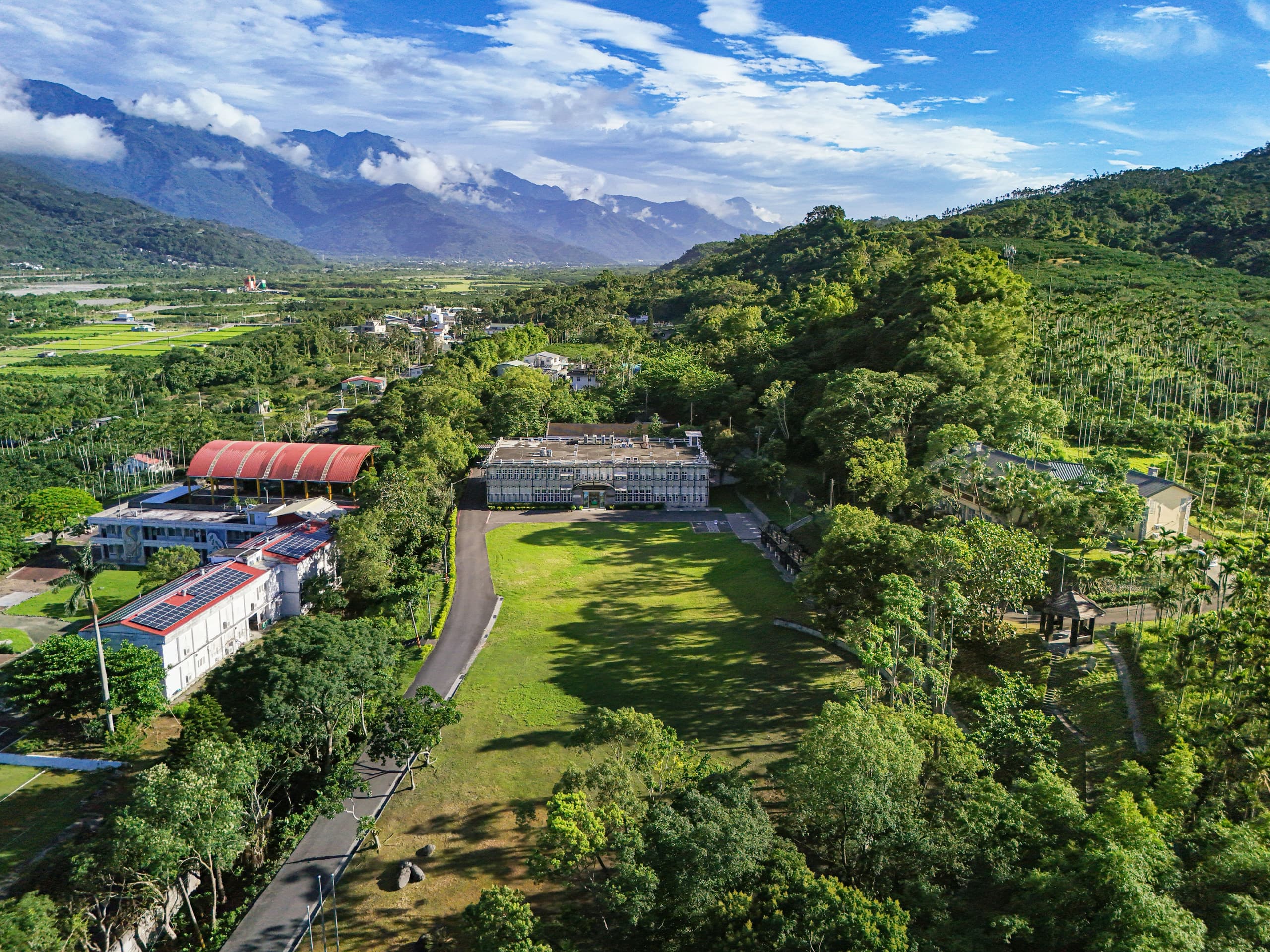
Luye Along the Way
Luye is more than deer.
Drive a few minutes uphill and you reach Luye Highland (鹿野高台) — where, every July and August, the Taiwan International Balloon Festival takes flight. A little farther on lies Chulu Ranch (初鹿牧場), with its green grassy slopes and fresh milk, and the slides and sandpits of Hualumi Park (花鹿米公園) and the Inclusive Family Park (親子共融公園).
So Luye lends itself beautifully to a family day: up to the highland at dawn for the balloons, the daytime spent feeding deer at the Sika Deer Park and drinking a bottle of fresh milk at the ranch, and the last of a child's energy spent in the inclusive park as evening falls. Grown-ups never have to rush, children play to their hearts' content — this is Luye's gentlest arrangement for a family.
How to Meet the Deer of Luye
- Where: Luye Township (鹿野鄉), Taitung County — close to both Luye Highland and Chulu Ranch, about 30–40 minutes by car from Taitung City
- How to interact: Grass and feed can be bought inside the park; the semi-wild sika deer approach you on their own. There are also rabbits, guinea pigs, and other small animals
- Admission: Affordable, with part of the price redeemable against in-park purchases (check the official announcements before you set out for current prices and closing days — the park has a regular weekly closing day)
- Best time: Mid-morning or toward dusk is ideal, avoiding the midday glare — and the deer are livelier then, too
- How to pair it: Luye Highland balloons in the morning → feeding deer at the Sika Deer Park → Chulu Ranch → the Inclusive Family Park — a full day, just right
- A note for parents: Hand the driving and the schedule over to a private-charter guide, and your only job is to crouch beside your child and hold out the grass
Afterword
We always imagine that "world-class" experiences live somewhere far away — that they take time off work, a plane ticket, a long wait in line.
But Taitung keeps reminding us: the best things aren't necessarily far away.
A deer that walks to you, a child willing to slow down for its sake, a pair of parents who finally don't have to rush an itinerary — Luye has all of it. No need to fly to Nara; on this side of the Pacific, too, the meadow's deer are just as gentle.
Next —
Want to turn this place into a trip?
Leave the car, the stay, the food, and the guide to us — a team that actually lives in Taitung. Message us on LINE with where and when, and we'll make it real.
A rough plan & quote the same day · no charge unless you're happy · no hard sell
See the related trip →Image credits
- Hero: 花東縱谷國家風景區管理處 · media.taiwan.net.tw · 政府資料開放授權條款 第 1 版
- Secondary: 花東縱谷國家風景區管理處 · media.taiwan.net.tw · 政府資料開放授權條款 第 1 版
Sources
More stories —
Other local stories
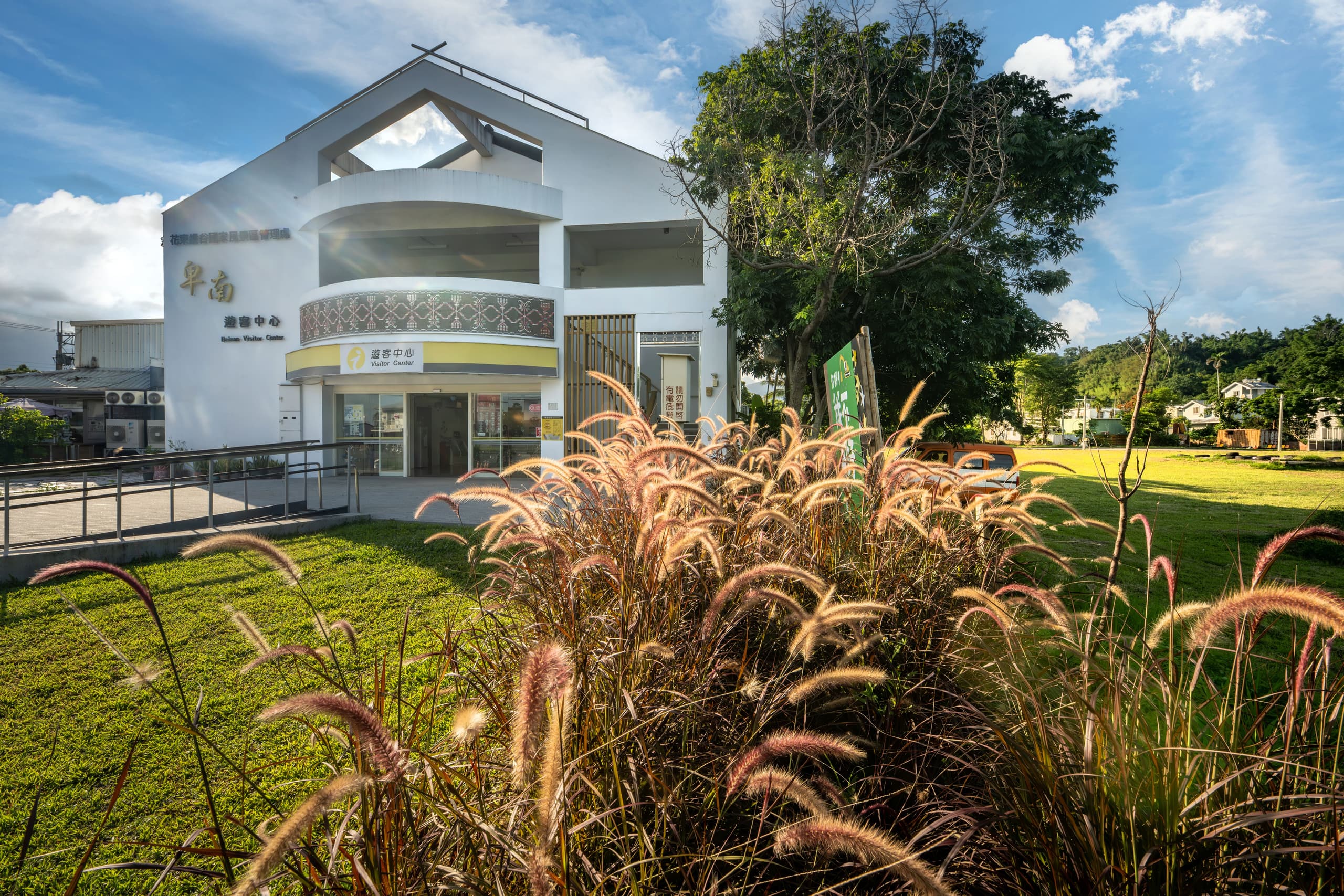
Beinan Site · Prehistoric Culture · A 5,000-Year Story
5,000 Years Ago, People Were Already Lighting Fires, Eating, and Burying Their Dead in Taitung
The Beinan Site, beside Kangle Station in Taitung City, is the largest prehistoric settlement ever found in Taiwan and the largest slate-coffin burial ground anywhere in the Pacific Rim and Southeast Asia. The Beinan Culture, which flourished here from roughly 5,000 to 2,300 years ago, left behind a complete record of dwellings, graves, jade, and pottery. Discovered in 1980 during construction of the South-Link Railway, it was excavated under archaeologists Sung Wen-hsun and Lien Chao-mei, yielding about 1,600 burials, over 99% of them slate coffins. The crescent stone pillars (3,500 years old) are the most striking remains still standing on the surface. For travellers who want to understand that Taitung was not first settled a mere hundred years ago.
2026-05-31 · 6 min read
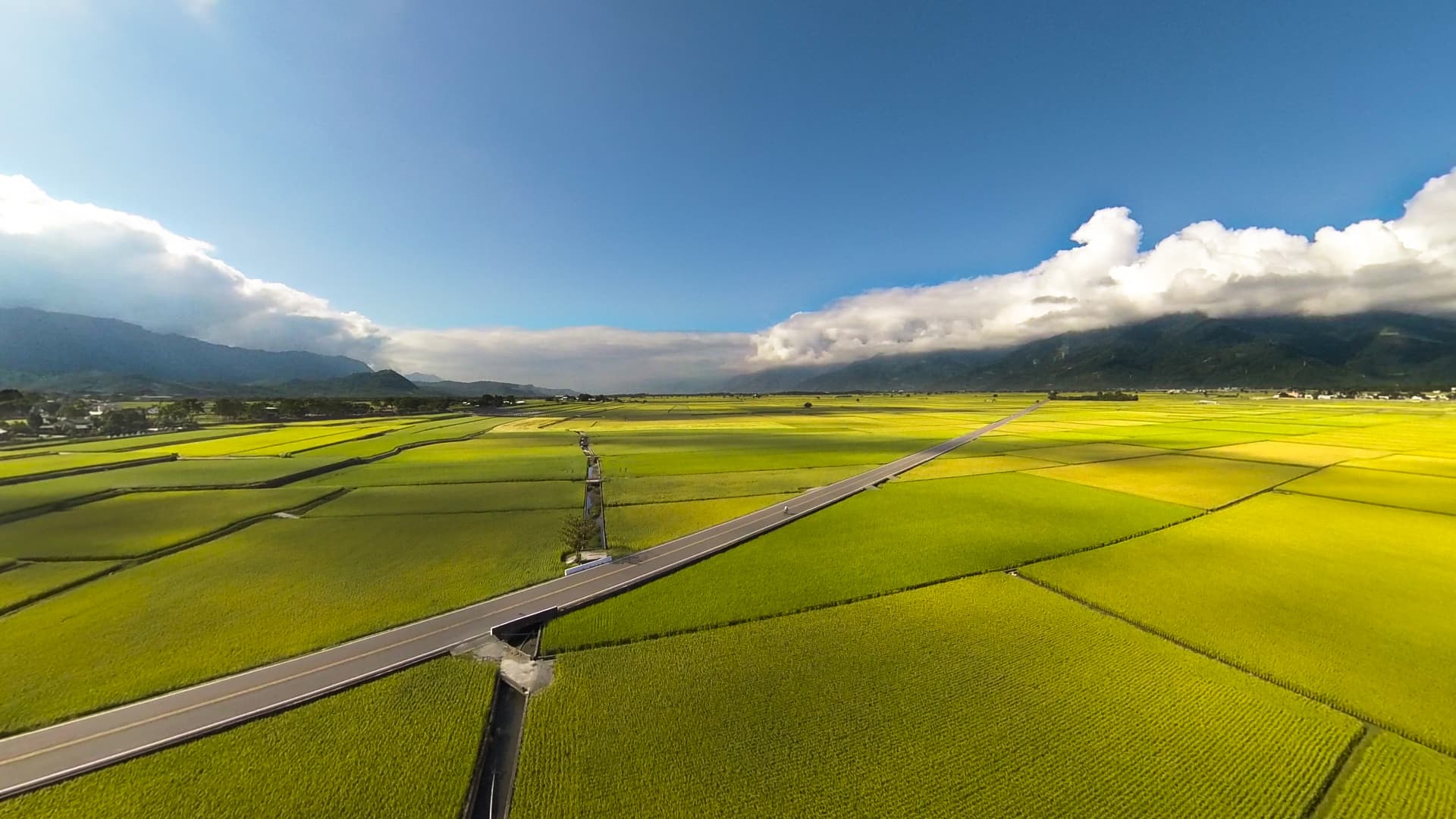
Brown Avenue · The Version Without the Photo Line · A Story from Chishang
A Tree Named "Tea Offering," Lent for a Decade to a Movie Star
Brown Avenue runs 2.2 kilometres along Jinxin Road No. 3 in Chishang Township, Taitung, deliberately kept clear of power poles and houses. After Takeshi Kaneshiro drank tea beneath its bishopwood tree for an airline commercial in 2013, the road became famous overnight — but since 2023, the official name of the "Takeshi Kaneshiro Tree" has reverted to its original "Tea Offering Tree." As people who live in Taitung, we offer you the truest story of this road — including the tree's real name, how Chishang locals actually ride it, and which season is right.
2026-05-31 · 5 min read