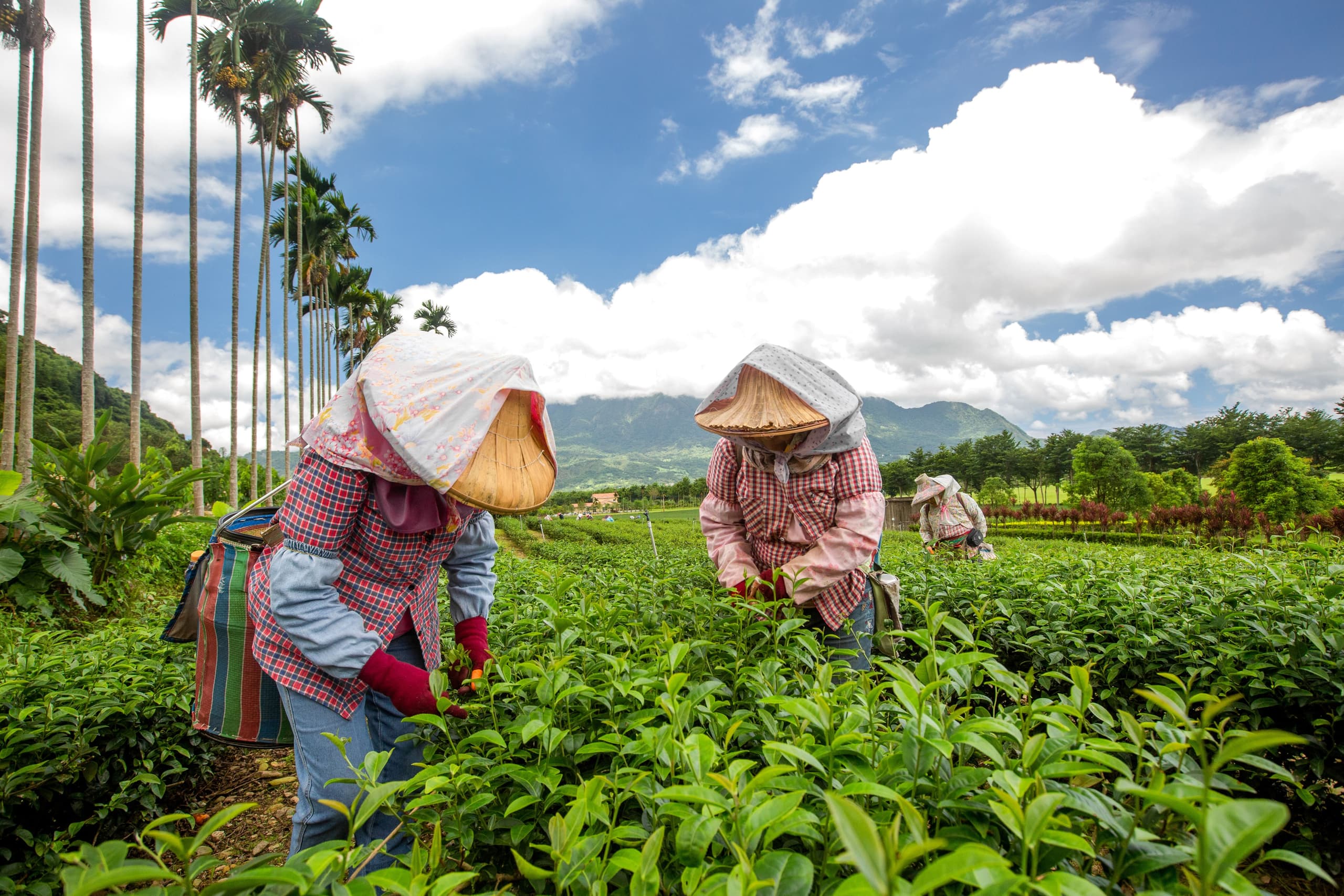
Luye · Red Oolong · An Afternoon in the Tea Gardens
Red Oolong Won't Tell You Its Story Until the Third Steep
Beyond the hot-air balloons, Luye has another face — tea gardens at 350 metres, half-fermented amber liquor, and a secret a local tea farmer has kept for 40 years.
縱谷編輯室·Updated 2026-05-31 · 5 min read
Every July, all of Taiwan turns its eyes to the sky above Luye (鹿野) — balloons rising, falling, rising again.
But few people know that beneath the balloons, on this same plateau, another story lies hidden.
A tea invented in 2008, to save a tea region that was losing.
The Luye Highland Is More Than a Launch Pad
The Luye Highland (鹿野高台) sits at about 350 metres above sea level, the watershed between the Rift Valley and the East Coast. In winter the northeast monsoon blows in off the Pacific; in summer a föhn wind comes down from the Central Mountain Range; the days and nights swing far apart in temperature, and the mist is thick — weather that might leave a person uncomfortable, but that suits the tea bushes exactly.
Since the Japanese colonial era, Luye has been home to some of Taiwan's first commercial tea gardens. The Japanese grew oolong here, and black tea, and sold it to Japan under the brand name "Fulu Tea (福鹿茶)".
After the war, market competition and price wars sent Luye's tea into decline, until only a scattered few growers remained — right up until 2008.
Red Oolong: Invented in 2008 for a Region That Wasn't High Enough
In 2008, the Taitung Agricultural Research Station developed a new tea and named it "red oolong (紅烏龍)".
It is neither black tea nor traditional oolong:
- More fermented than oolong (around 60–70%)
- Less fermented than black tea (which runs 95–100%)
- A liquor the colour of orange-red amber, somewhere between oolong's golden yellow and the deep red of black tea
- On the tongue, the sweet fragrance of ripe fruit and honey, with a returning sweetness in the finish and none of black tea's astringency
- Good brewed hot or cold, and it stands up to more steeps than an ordinary oolong
This tea can only achieve that "honeyed note" in a few low-elevation regions — Luye, Zhiben (知本) and Beinan (卑南) — because it needs a particular climate, a particular leaf cultivar, and the feel for fermentation that a tea farmer has built up over 40 years.
As one local grower puts it: "Red oolong is like the temperament of the Rift Valley — not fierce, not astringent, never stealing the scene. But drink past the third steep and you'll find it's been there underneath all along."
The Craft of a Single Cup
How to Brew It Right
| Step | Detail |
|---|---|
| Tea | 6–8 grams / 150–180ml of water |
| Water temperature | 90–95°C (not 100°C, which steeps the honey note away) |
| 1st steep | 30 seconds |
| 2nd steep | 40 seconds |
| 3rd steep | 60 seconds (this is where the real red oolong begins) |
| 4th–6th steeps | add 20 seconds each time |
Cold brew: put 4–5 grams in 500ml of cold water and let it rest in the fridge for 6–8 hours — the sweetness comes through even more clearly than in a hot brew.
What to Eat With It
Red oolong isn't afraid of richness. It goes with desserts, cured meats, fried food, chocolate — all of it. The local way is to pair it with Luye salt-cured pork or mochi (麻糬), a classic Rift Valley afternoon-tea combination.
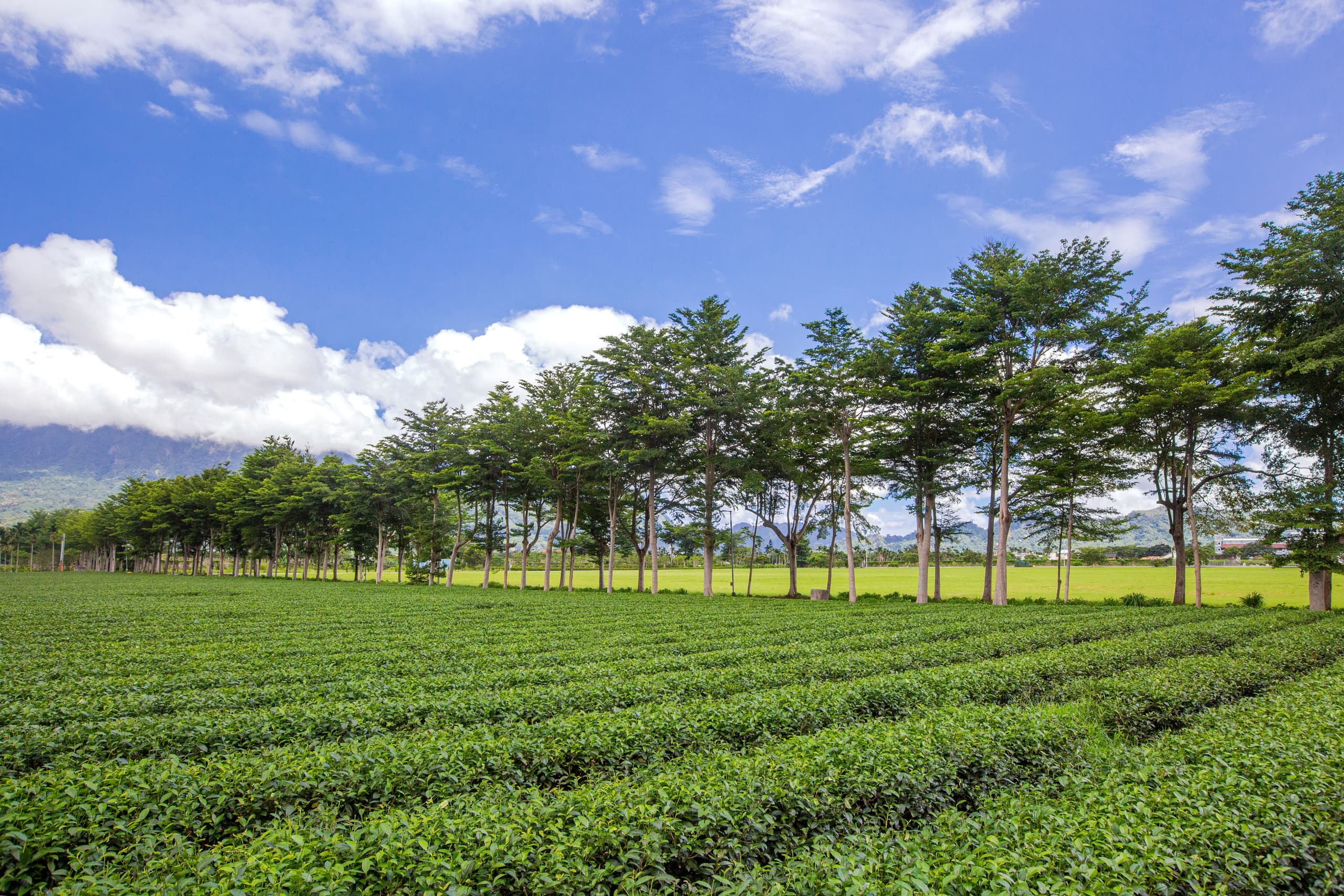
A Map of Luye's Tea Gardens
| Region | What Makes It Special |
|---|---|
| Yong'an (永安部落) | The heart of Luye's red oolong country, with family tea estates that offer tours |
| Longtian Village (龍田村) | A Japanese settler village from the colonial era, its old tea factory beautifully preserved |
| Fulu Tea Region (福鹿茶區) | Ringing the Luye Highland — the tea gardens sit right beside the balloon field |
| Xinyuanchang Black Tea Cultural Hall (新元昌紅茶產業文化館) | A converted black-tea factory from the colonial period, with free tours and tastings |
The thing to do: find a tea estate with a tea table, sit down, and drink all six steeps before you leave. Don't rush. A good cup of tea asks you to wait.
One Afternoon in Luye (Not Just the Balloons)
| Time | Plan |
|---|---|
| 05:00 | Balloons go up (during the festival, July–August) |
| 07:30 | Luye breakfast: black tea and steamed buns at a breakfast stall |
| 10:00 | Xinyuanchang Black Tea Cultural Hall (tour the old factory + tasting) |
| 12:00 | Lunch: a Hakka eatery in Longtian Village |
| 14:00 | A tea estate in Yong'an: a tea-table session (six steeps of red oolong) |
| 17:00 | Dusk: a walk through the ruins of the Luye Shinto shrine |
| 18:30 | Dinner: Hakka flavours, Luye style |
Why this route works — treat the balloons as nothing more than a morning ritual, and let the tea hold up the entire afternoon.
Why Red Oolong Suits the Older Traveller
- No caffeine anxiety: red oolong has less caffeine than coffee, but its lift is steady
- Stands up to resteeping: one pot can carry you through an afternoon, in keeping with a journey that refuses to hurry
- Refined but not fussy: unlike Japanese matcha or English tea, it asks for no elaborate ritual — you can recreate it simply at home
- A gift with stature: 100 grams runs NT$ 600–1,500, with more character than a bag of coffee beans
- A healthy talking point: research backs half-fermented tea for its antioxidants and its effect on blood lipids — a dignified gift for one's elders
Easy Things to Miss
- Every April–May and October–November: the spring and winter harvest seasons, when you can book a leaf-picking and leaf-rolling experience
- Competition teas: each year the prize-winning teas from Luye's red oolong judging contest are released for sale in limited quantities at auction, at prices from NT$ 3,000–15,000 per 100g
- Buying direct from the farmer: buying at a tea estate runs 30–50% cheaper than at the airport or a department store
- The water you brew with: local growers brew with Luye township tap water (soft water); brew at home with bottled or even mineral water and the flavour drifts off course
Afterword
The balloons are a 30-minute ritual. Red oolong is the company of a whole afternoon.
We grow ever better at the short-lived thrill — the balloon rising, the photo for the feed, a five-minute glance at a mountain.
But Luye's red oolong reminds you: some things wait until the third steep before they begin to tell you their story.
Red oolong exists precisely because this plateau isn't high enough.
Next time you come to Luye, please stay, and drink that pot of tea.
Further reading:
- The complete balloon guide: 2026 Luye Hot-Air Balloon Festival
- An afternoon tea to pair with Zhiben: Doing Nothing Is Also a Kind of Arrival
- A two-day Rift Valley trip: Rice Country in the Valley, 2 Days
Next —
Want to turn this place into a trip?
Leave the car, the stay, the food, and the guide to us — a team that actually lives in Taitung. Message us on LINE with where and when, and we'll make it real.
A rough plan & quote the same day · no charge unless you're happy · no hard sell
See the related trip →Image credits
- Hero: 花東縱谷國家風景區管理處 · media.taiwan.net.tw · 政府資料開放授權條款 第 1 版
- Secondary: 花東縱谷國家風景區管理處 · media.taiwan.net.tw · 政府資料開放授權條款 第 1 版
Sources
More stories —
Other local stories
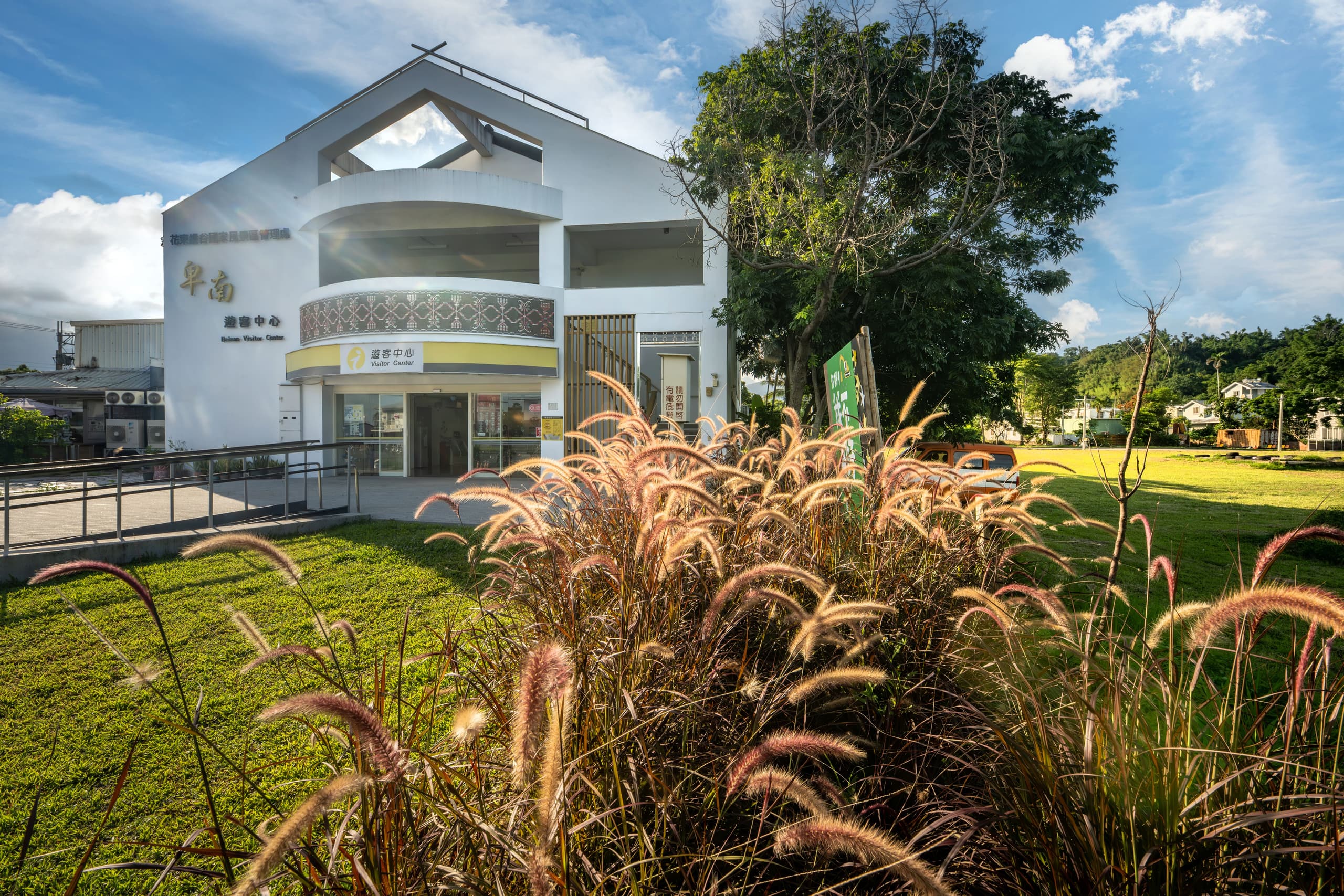
Beinan Site · Prehistoric Culture · A 5,000-Year Story
5,000 Years Ago, People Were Already Lighting Fires, Eating, and Burying Their Dead in Taitung
The Beinan Site, beside Kangle Station in Taitung City, is the largest prehistoric settlement ever found in Taiwan and the largest slate-coffin burial ground anywhere in the Pacific Rim and Southeast Asia. The Beinan Culture, which flourished here from roughly 5,000 to 2,300 years ago, left behind a complete record of dwellings, graves, jade, and pottery. Discovered in 1980 during construction of the South-Link Railway, it was excavated under archaeologists Sung Wen-hsun and Lien Chao-mei, yielding about 1,600 burials, over 99% of them slate coffins. The crescent stone pillars (3,500 years old) are the most striking remains still standing on the surface. For travellers who want to understand that Taitung was not first settled a mere hundred years ago.
2026-05-31 · 6 min read
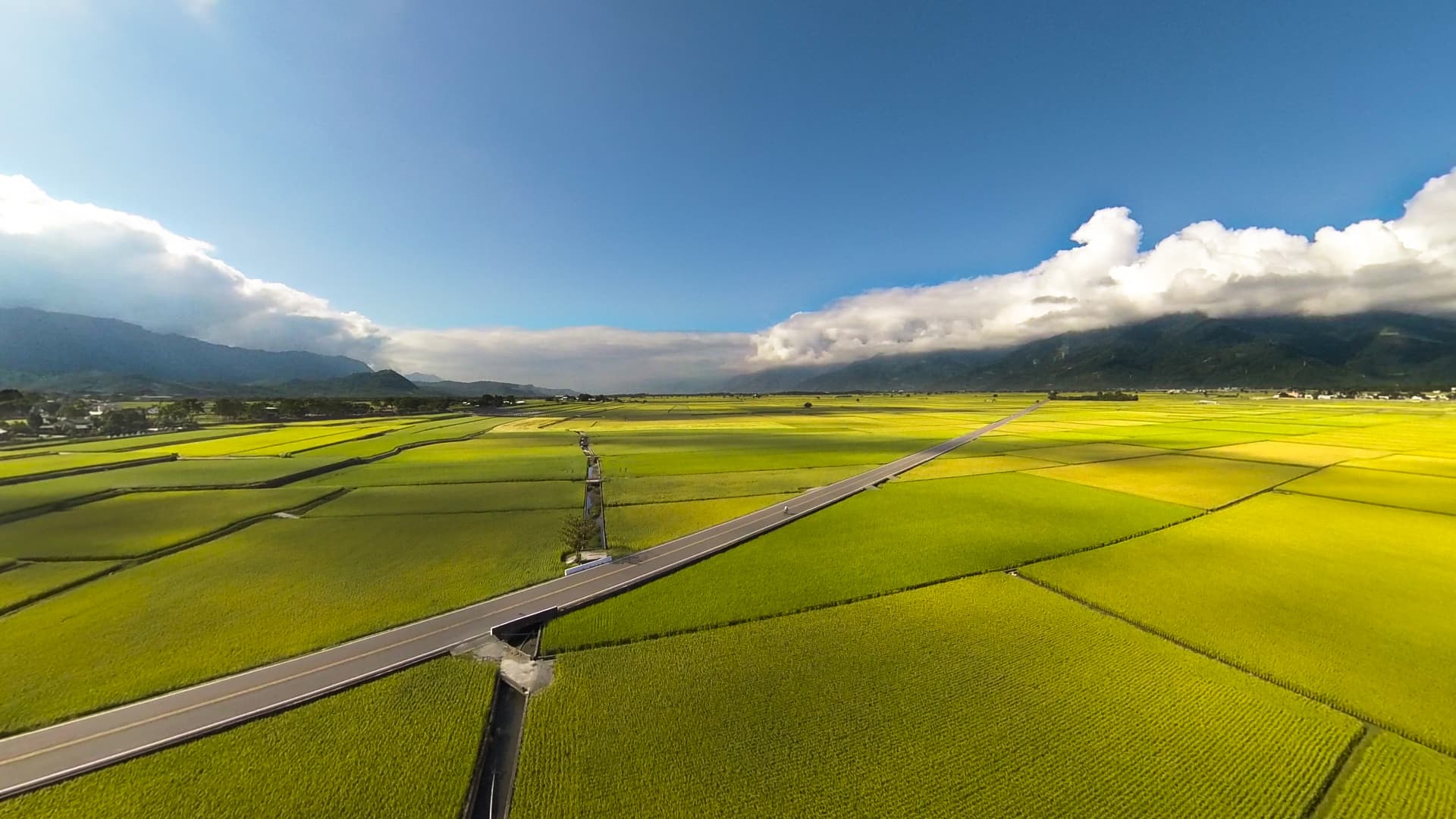
Brown Avenue · The Version Without the Photo Line · A Story from Chishang
A Tree Named "Tea Offering," Lent for a Decade to a Movie Star
Brown Avenue runs 2.2 kilometres along Jinxin Road No. 3 in Chishang Township, Taitung, deliberately kept clear of power poles and houses. After Takeshi Kaneshiro drank tea beneath its bishopwood tree for an airline commercial in 2013, the road became famous overnight — but since 2023, the official name of the "Takeshi Kaneshiro Tree" has reverted to its original "Tea Offering Tree." As people who live in Taitung, we offer you the truest story of this road — including the tree's real name, how Chishang locals actually ride it, and which season is right.
2026-05-31 · 5 min read