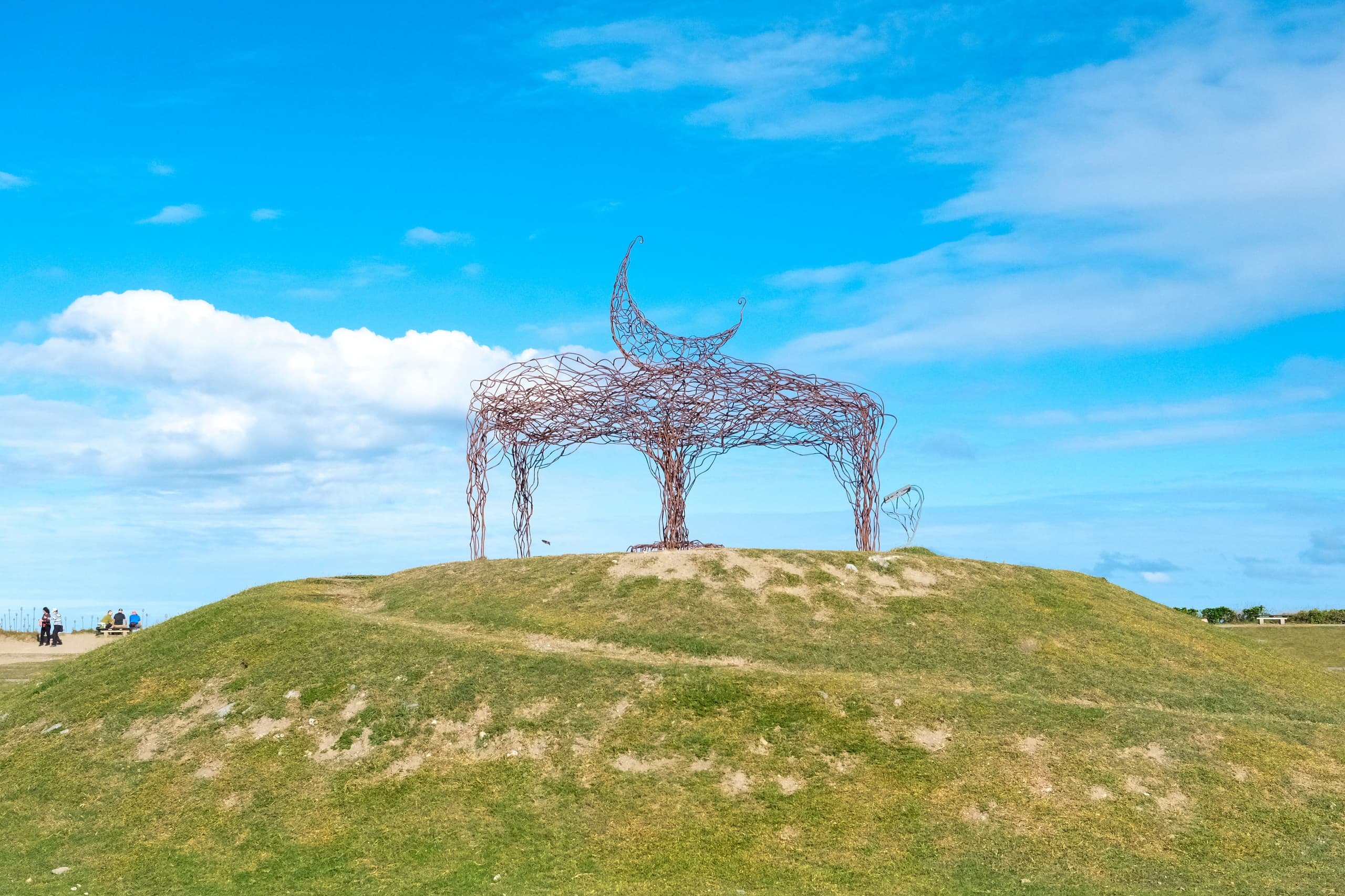
Jialulan · Driftwood Art · A Story Carried on the Sea Wind
A Piece of Wood the Sea Brought Back, Made Into Art
A typhoon pulls a tree from the deep Pacific back to shore, an artist catches it, and turns it into something that makes you stop where you stand at the edge of the sea. Jialulan is the gentlest place in Taitung where the discarded becomes art.
海岸編輯室·Updated 2026-05-31 · 4 min read
First, one thing you need to know: the Jialulan Recreation Area is closed for renovation through 2026/12/31.
Drive out there during this period and you'll be standing at a locked gate. What follows is what the place is like in normal times, and where those pieces of wood come from — go once it reopens.
For open alternatives on this stretch of coast, see the Taitung wasted-trip checklist.
Drive north on Provincial Highway 11 from downtown Taitung and, thirty minutes in, you pass a place called Jialulan (加路蘭).
Most people drive straight past it. They don't even hold onto the name.
But if you're willing to stop, you'll find this is the gentlest place in Taitung where the discarded becomes art.
kararuan — the place for washing hair
"Jialulan" is a transliteration of the Amis (阿美族) word kararuan, which means "the place for washing hair."
Long ago, the Jialulan coast had freshwater springs and streams that ran down into the sea, and the Amis women would come here to wash their hair and their clothes. The people kept the name as a reminder for the generations after them — the water here was once very clean.
Today the Jialulan coast is a small coastal recreation area run by the East Coast National Scenic Area. Step off Highway 11 and you reach the Pacific in thirty seconds — no fences, no fee, and a parking lot — which is part of why it's so beloved.
A gift the typhoon brings
Every typhoon season, trees from deep in the Central Mountain Range are washed out to sea by the floods, and the Pacific carries them back to the shore — this is driftwood.
For a long time, driftwood was treated as waste, cleared away and burned by the authorities.
But from 2008, the East Coast National Scenic Area began handing the driftwood to artists — woodcarvers, architects, Indigenous craftspeople — to turn the discarded into art.
The Jialulan coast was the first stop in this movement. The whales, cocoons, waves, chairs, and oddly shaped open-air installations you see here today are all made from trees the typhoons returned to the shore.
This isn't an "exhibition." These are living works, left out by the sea for the long haul — blown by the wind, struck by the waves, sat on by visitors, and slowly weathered by time.
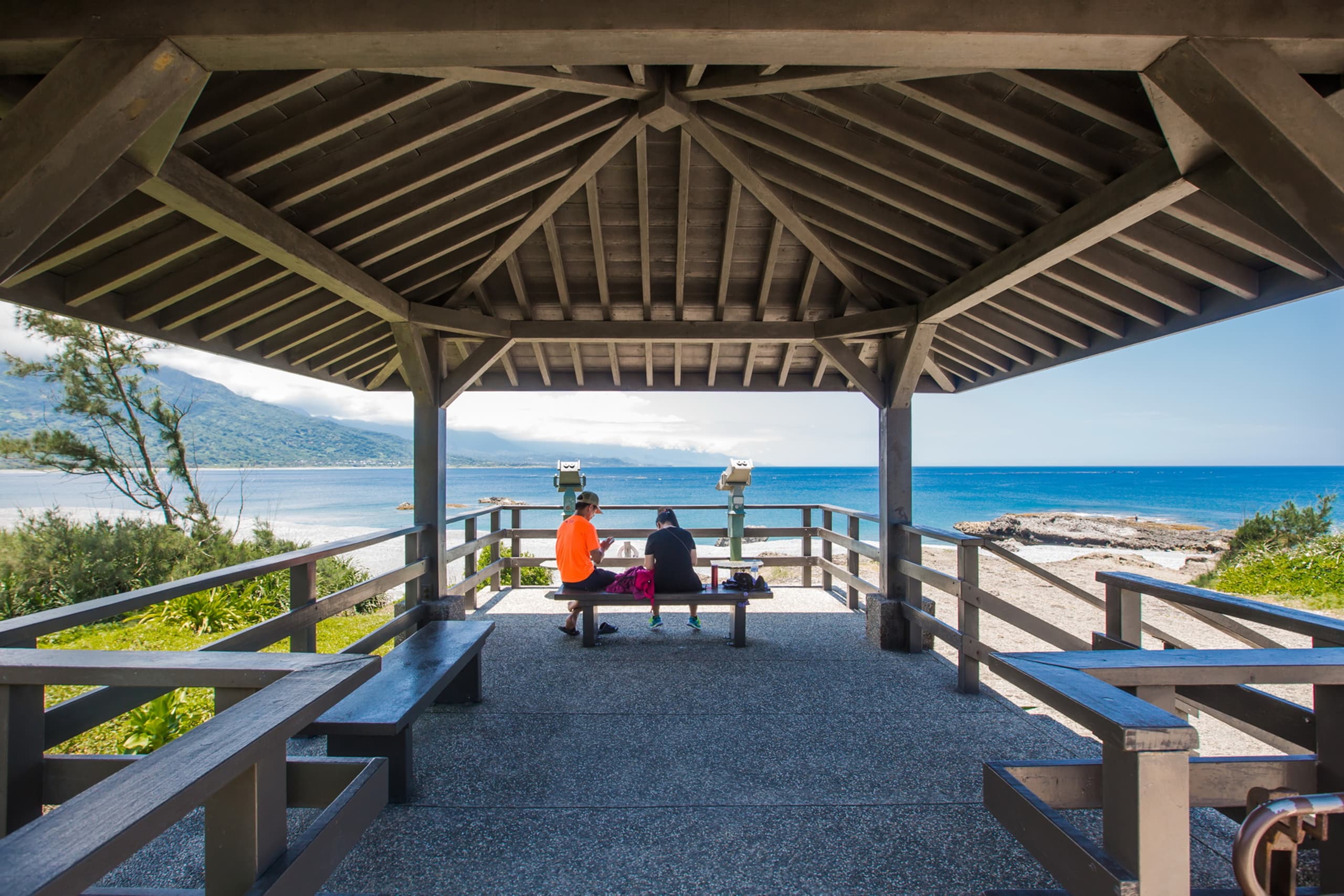
What Jialulan teaches you is this — nothing is ever truly waste. It just hasn't met the right pair of eyes yet.
You can't go right now, so wait
The works run through the end of 2026. The whole area is closed; passing on Highway 11 you can only look.
There are other places to get out of the car on the same coast — Fugang Geopark (小野柳) to the south has sea-eroded rock, Dulan to the north has the sugar factory and the sea. When we plan a route we simply swap them in, so you never arrive at a gate that is shut.
When Jialulan reopens, it will still be the place that asks you to get out for thirty minutes.
The small things easy to miss
- June to September each year: the East Coast Land Arts Festival (東海岸大地藝術節) brings new works to Jialulan, with the permanent and temporary pieces on show together
- Before 06:00 at dawn: no one here, and the sound of the sea is full-bandwidth
- At low tide: the rock shelf reaches 20 metres out to sea, and you can walk to places usually covered by the water
- The small Amis village beside Jialulan: five minutes up the coast to the north there is a ceremonial altar that is not open to outsiders — please keep your distance
Why it's worth the wait
For a traveller behind the wheel, the greatest thing about Jialulan is — it gets you out of the car.
That stretch of Highway 11 from Taitung to Dulan, Sanxiantai, and Changbin (長濱) is so beautiful it makes you not want to stop. But a road this beautiful has a trap — you start to believe "the view through the window is enough," and you miss the kind of jolt you only feel standing at the edge of the sea.
Jialulan is the "rest stop" on Highway 11 — it isn't so grand that you'll want to take a hundred photos, nor so involved that it costs you half a day of planning. It simply tells you to step out, walk a few paces, look at a piece of driftwood, look at a stretch of sea, and then get back on the road.
And that 30-minute stop is often the image you'll find yourself returning to most, long after the trip is over.
A closing note
We are getting better and better at "fast" — fast transport, fast photos, fast check-ins, fast on to the next spot.
But what Jialulan teaches you is this — slow can be an art form too.
Those pieces of driftwood drifted on the sea for months, washed ashore, and were made into art by an artist; their unit of time is the year, not the minute. The 30 minutes you stand before them is the only way you can fall into step with that sense of time.
Next time you pass Jialulan, please stop.
Further reading:
- Pair it with Dulan: One Sugar Factory, a Band of Artists, a Stretch of Sea
- The Sanxiantai sea bridge: Across Eight Arches, to the Islands Three Immortals Left Behind
- To travel the whole east coast: East Coast Tribes, 3 Days
Next —
Want to turn this place into a trip?
Leave the car, the stay, the food, and the guide to us — a team that actually lives in Taitung. Message us on LINE with where and when, and we'll make it real.
A rough plan & quote the same day · no charge unless you're happy · no hard sell
See the related trip →Image credits
- Hero: 花東縱谷國家風景區管理處 · media.taiwan.net.tw · 政府資料開放授權條款 第 1 版
- Secondary: 交通部觀光署 · media.taiwan.net.tw · 政府資料開放授權條款 第 1 版
Sources
More stories —
Other local stories
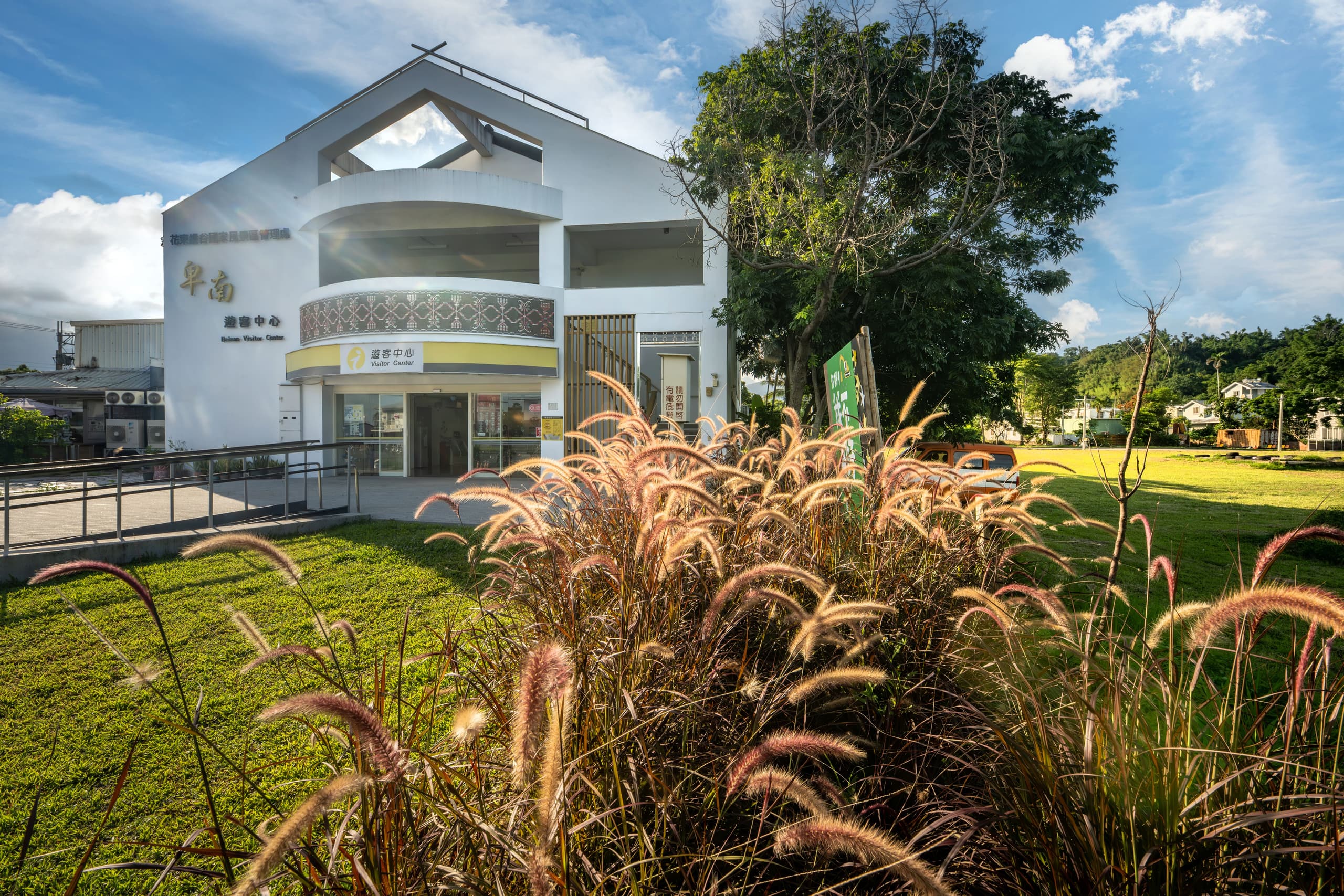
Beinan Site · Prehistoric Culture · A 5,000-Year Story
5,000 Years Ago, People Were Already Lighting Fires, Eating, and Burying Their Dead in Taitung
The Beinan Site, beside Kangle Station in Taitung City, is the largest prehistoric settlement ever found in Taiwan and the largest slate-coffin burial ground anywhere in the Pacific Rim and Southeast Asia. The Beinan Culture, which flourished here from roughly 5,000 to 2,300 years ago, left behind a complete record of dwellings, graves, jade, and pottery. Discovered in 1980 during construction of the South-Link Railway, it was excavated under archaeologists Sung Wen-hsun and Lien Chao-mei, yielding about 1,600 burials, over 99% of them slate coffins. The crescent stone pillars (3,500 years old) are the most striking remains still standing on the surface. For travellers who want to understand that Taitung was not first settled a mere hundred years ago.
2026-05-31 · 6 min read
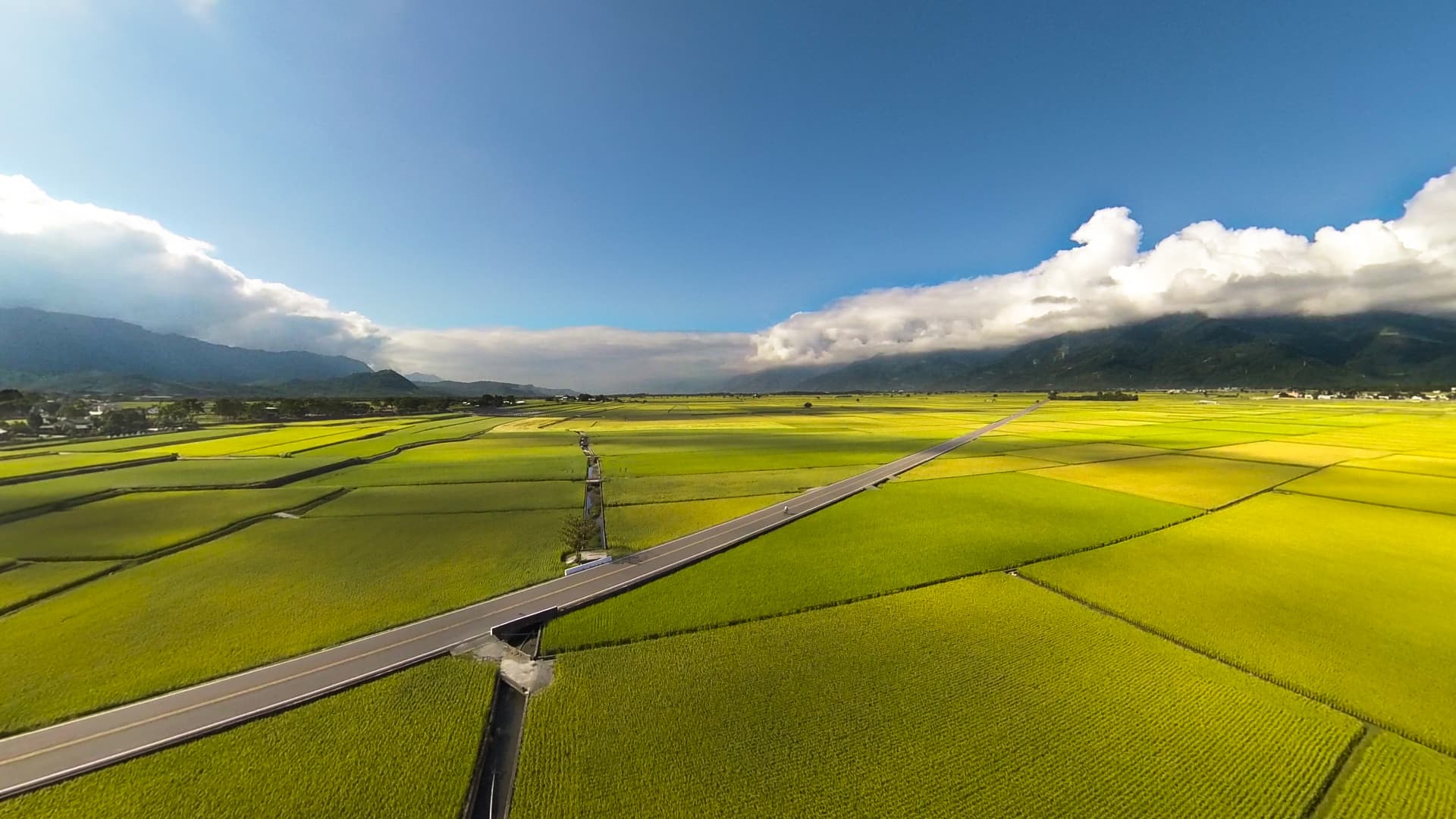
Brown Avenue · The Version Without the Photo Line · A Story from Chishang
A Tree Named "Tea Offering," Lent for a Decade to a Movie Star
Brown Avenue runs 2.2 kilometres along Jinxin Road No. 3 in Chishang Township, Taitung, deliberately kept clear of power poles and houses. After Takeshi Kaneshiro drank tea beneath its bishopwood tree for an airline commercial in 2013, the road became famous overnight — but since 2023, the official name of the "Takeshi Kaneshiro Tree" has reverted to its original "Tea Offering Tree." As people who live in Taitung, we offer you the truest story of this road — including the tree's real name, how Chishang locals actually ride it, and which season is right.
2026-05-31 · 5 min read