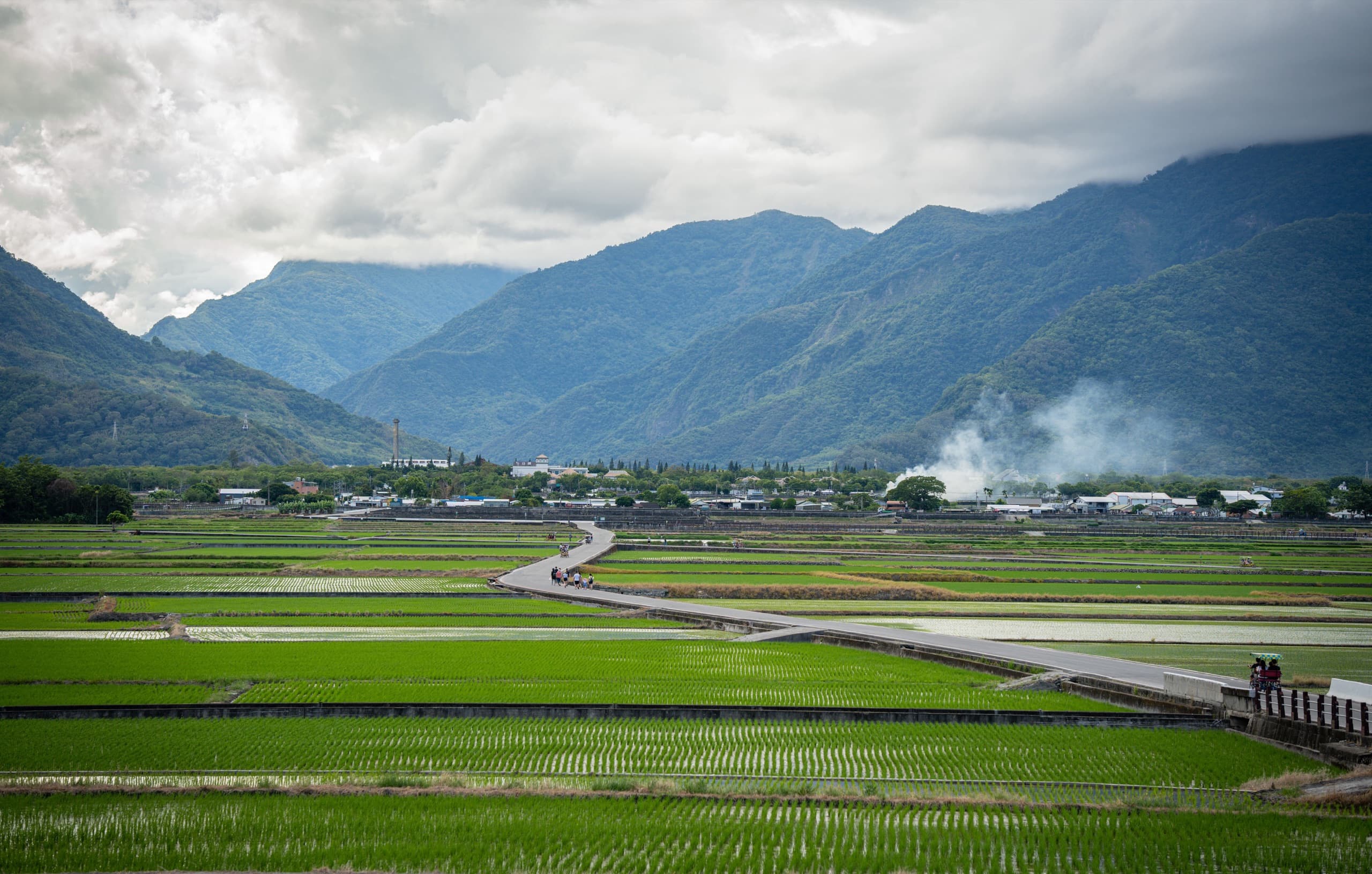
Chishang · Four Seasons of Rice · A Story About Time
One Gust of Wind, and the Whole Valley Begins to Move
It isn't only the green of May or the gold of October. The rice waves of Chishang have four seasons, and each one teaches you a different way of waiting.
縱谷編輯室·Updated 2026-05-31 · 6 min read
Most people come to Chishang for two photographs: the lush green of Brown Boulevard in May, and the burnished gold of the rice waves in October.
They take the shot and leave, less than two hours on the ground.
But anyone who lives in Taitung will tell you — the rice waves of Chishang have four seasons, and each one teaches you a different way of waiting.
The Four Seasons of Chishang
January–February|Turning the Soil
In late winter the farmers fold open the earth, readying it for a new cycle. The whole valley becomes a patchwork of deep-brown squares, like a canvas freshly unrolled. No one comes to Chishang for pictures at this time of year — but this is the quietest the valley gets all year. The mist over Dapo Pond is at its thickest at dawn, the cycle paths are empty, and even the wind moves slowly.
March–April|Transplanting the Seedlings
The young plants have just gone in, and the flooded paddies turn to mirrors, holding the reflection of the Central Mountain Range. This is the most underrated season in Chishang — none of May's crowds, but a transparency that belongs only to spring. The green seedlings along both sides of Brown Boulevard grow a little taller every day.
May–June|The Green Wave
This is the Chishang you see on Instagram — the heads of grain have just pushed up, and the whole field is a glowing, fluorescent green. One gust of wind, and the entire valley begins to ripple. This is the busiest season, and there's forever a queue beneath the Takeshi Kaneshiro Tree.
A word from the locals: steer clear of weekend middays. From 6 to 8 in the morning, the light over Brown Boulevard falls at an angle and the crowds thin out — that's the real Chishang.
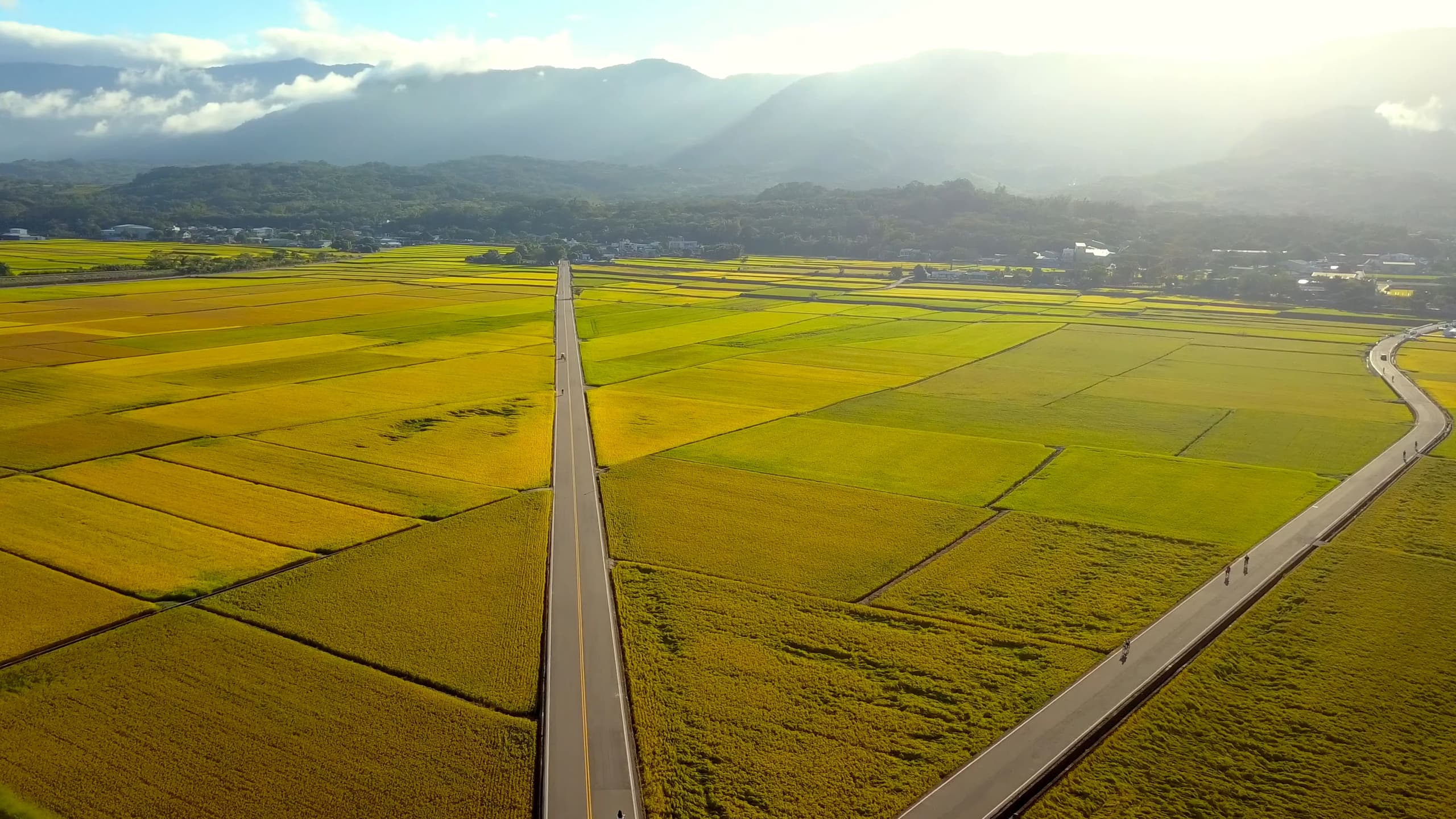
July–September|The Grain Fills Out
The heads shift from green to a yellow-green, growing heavy and bowing down. It's typhoon season, and the farmers hold their breath — but on a clear day Chishang is especially lovely. The Hot Air Balloon Carnival reaches over from Luye right around now, and on a few days the fly-in routes pass over Chishang.
October–November|The Golden Harvest
The whole valley turns into a sea of gold. From late October into early November, the Chishang Autumn Harvest Rice Art Festival raises a stage right inside the paddies of Brown Boulevard. Cloud Gate Dance Theatre and U-Theatre have both performed here — dancing in a world-class rice field, a ritual you'll find nowhere else in Taitung.
December|The Fields at Rest
After the harvest, the fields are laid with green manure — rapeseed, sunflowers, cosmos — and Chishang turns its fallow season into a second bloom. From December through February, the golden carpet gives way to fields of flowers: another of the valley's underrated beauties.
More Than Brown Boulevard
If all you do in Chishang is Brown Boulevard and the Takeshi Kaneshiro Tree, you'll miss half of it.
- Dapo Pond (大坡池): Chishang takes its name from this wetland lake. The lakeside cycle path is perfect for riding with the mountains in view, and it's one of the main venues for the Autumn Harvest festival.
- Chishang Farmers' Association + Dulimi Rice Story House (多力米故事館): where Chishang rice comes from, its varieties, and why it tastes so good — nowhere tells the story more fully.
- Chishang Lunchbox Culture Story House (池上飯包文化故事館): a sixty-year-old lunchbox brand, tracing the line from railway bento to Taiwan's whole lunchbox culture.
- Heaven's Road (天堂路): near Brown Boulevard, but unburdened by the name — a straight little lane running off into the hills, fewer visitors, the light even cleaner than on the Boulevard.
The Art of a Chishang Lunchbox
A Chishang lunchbox is no ordinary bento.
Chishang rice is mostly Kaohsiung No. 139 / Taikeng No. 9 (高雄 139 號 / 台稉 9 號), varieties bred back in the Japanese colonial era. Because Chishang swings between hot days and cool nights, and its irrigation water comes from the headwaters of the Xinwulü River (新武呂溪), the grains are plump and springy and still taste good once they've cooled — which is exactly why Chishang lunchboxes became a byword for "railway bento."
The town's two grand old houses — Quanmeixing (全美行) and Jiaxiang (家鄉) — each have their devotees. An authentic Chishang lunchbox comes in a wooden box, not a paper one, and is never reheated — what you're tasting is the sweetness of rice at room temperature.
The side dishes are plain: braised pork, a soy egg, pickled mustard greens, sausage, a piece of fish. Nothing fancy. It all rides on the rice itself.
「The best rice is the kind that, long after the lunchbox is gone, leaves you remembering the taste of the rice — not the taste of the pork.
」
How to Plan a Day in Chishang
| Time | Plan |
|---|---|
| 06:30 | Morning mist over Dapo Pond, a walk along the lake |
| 08:00 | Brown Boulevard (steering clear of weekend midday is the one thing that matters), the Takeshi Kaneshiro Tree |
| 10:00 | Chishang Farmers' Association / Dulimi Rice Story House |
| 12:00 | A Chishang lunchbox (take it out to eat by Dapo Pond) |
| 14:00 | Cycle the country lanes (ride the flats — don't let the rental shops talk you up into the hills) |
| 16:30 | Fukuhara Tofu Shop, Chishang Bookstore, and the other quietly arty old establishments |
| 18:00 | On to the next stop: Luye (during the Balloon Carnival) or Guanshan (an overnight in the valley) |
Afterword
What Chishang taught me is this: a single field can give you four completely different landscapes over the course of one year.
But only if you're willing to come for more than May and more than October. Willing to come in January for the quiet of the turned soil, in March for the mirror of the transplanted paddies, in December for the flowering fallow fields.
Chishang is for people who have time. For people willing to wait while a field grows, is harvested, rests, and comes round again.
And that kind of waiting grows rarer with every passing year.
Further reading:
- For a world-class rice-wave itinerary: Valley Rice Country, 2 Days
- To eat your way through Chishang's rice and the valley's produce: Valley & Coast Gastronomy, 4 Days (staying throughout at Luminous Hot Spring Resort)
- More ways to explore the valley: The Complete Luye Hot Air Balloon Guide
Next —
Want to turn this place into a trip?
Leave the car, the stay, the food, and the guide to us — a team that actually lives in Taitung. Message us on LINE with where and when, and we'll make it real.
A rough plan & quote the same day · no charge unless you're happy · no hard sell
See the related trip →Image credits
- Hero: 花東縱谷國家風景區管理處 · media.taiwan.net.tw · 政府資料開放授權條款 第 1 版
- Secondary: 花東縱谷國家風景區管理處 · media.taiwan.net.tw · 政府資料開放授權條款 第 1 版
Sources
More stories —
Other local stories
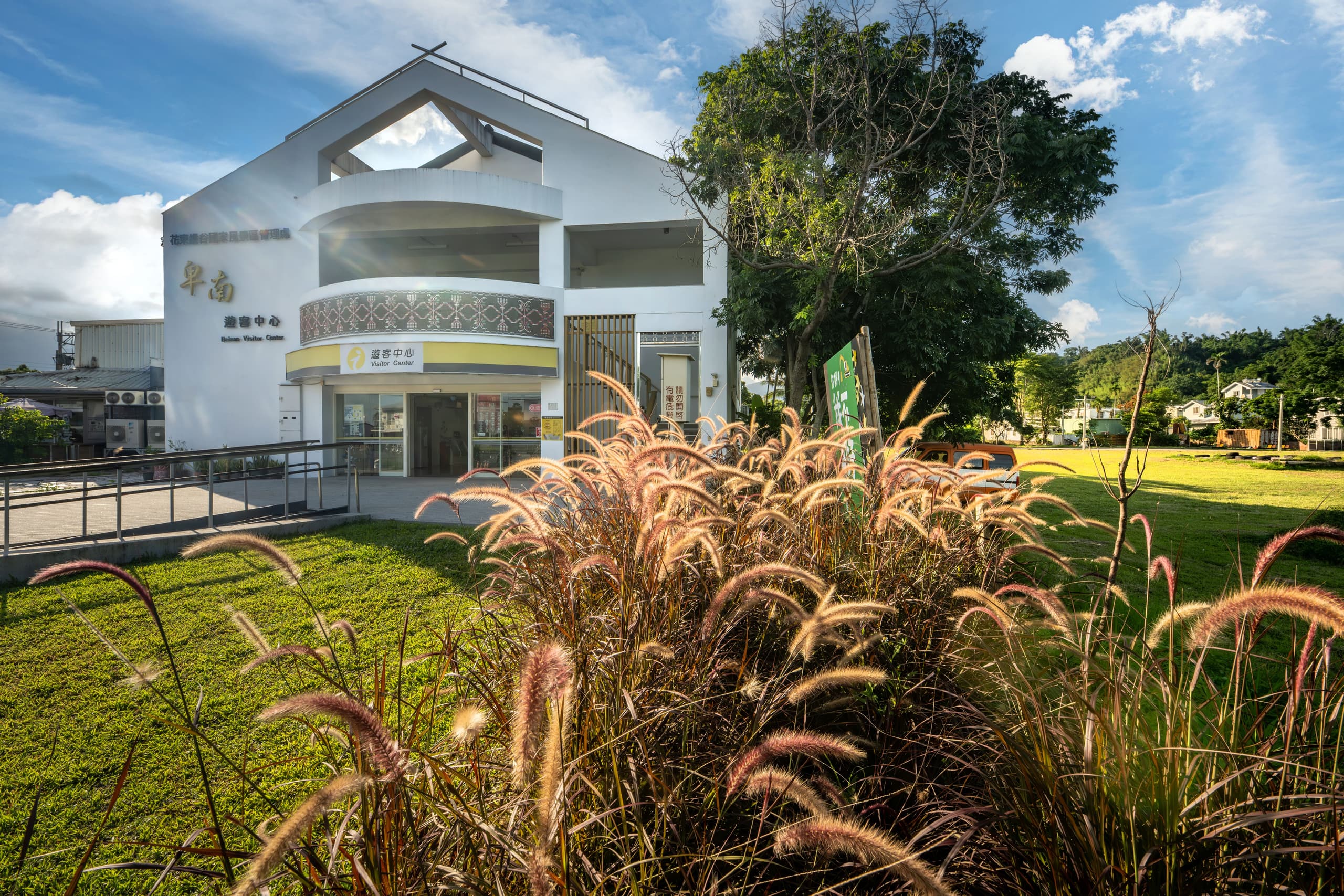
Beinan Site · Prehistoric Culture · A 5,000-Year Story
5,000 Years Ago, People Were Already Lighting Fires, Eating, and Burying Their Dead in Taitung
The Beinan Site, beside Kangle Station in Taitung City, is the largest prehistoric settlement ever found in Taiwan and the largest slate-coffin burial ground anywhere in the Pacific Rim and Southeast Asia. The Beinan Culture, which flourished here from roughly 5,000 to 2,300 years ago, left behind a complete record of dwellings, graves, jade, and pottery. Discovered in 1980 during construction of the South-Link Railway, it was excavated under archaeologists Sung Wen-hsun and Lien Chao-mei, yielding about 1,600 burials, over 99% of them slate coffins. The crescent stone pillars (3,500 years old) are the most striking remains still standing on the surface. For travellers who want to understand that Taitung was not first settled a mere hundred years ago.
2026-05-31 · 6 min read
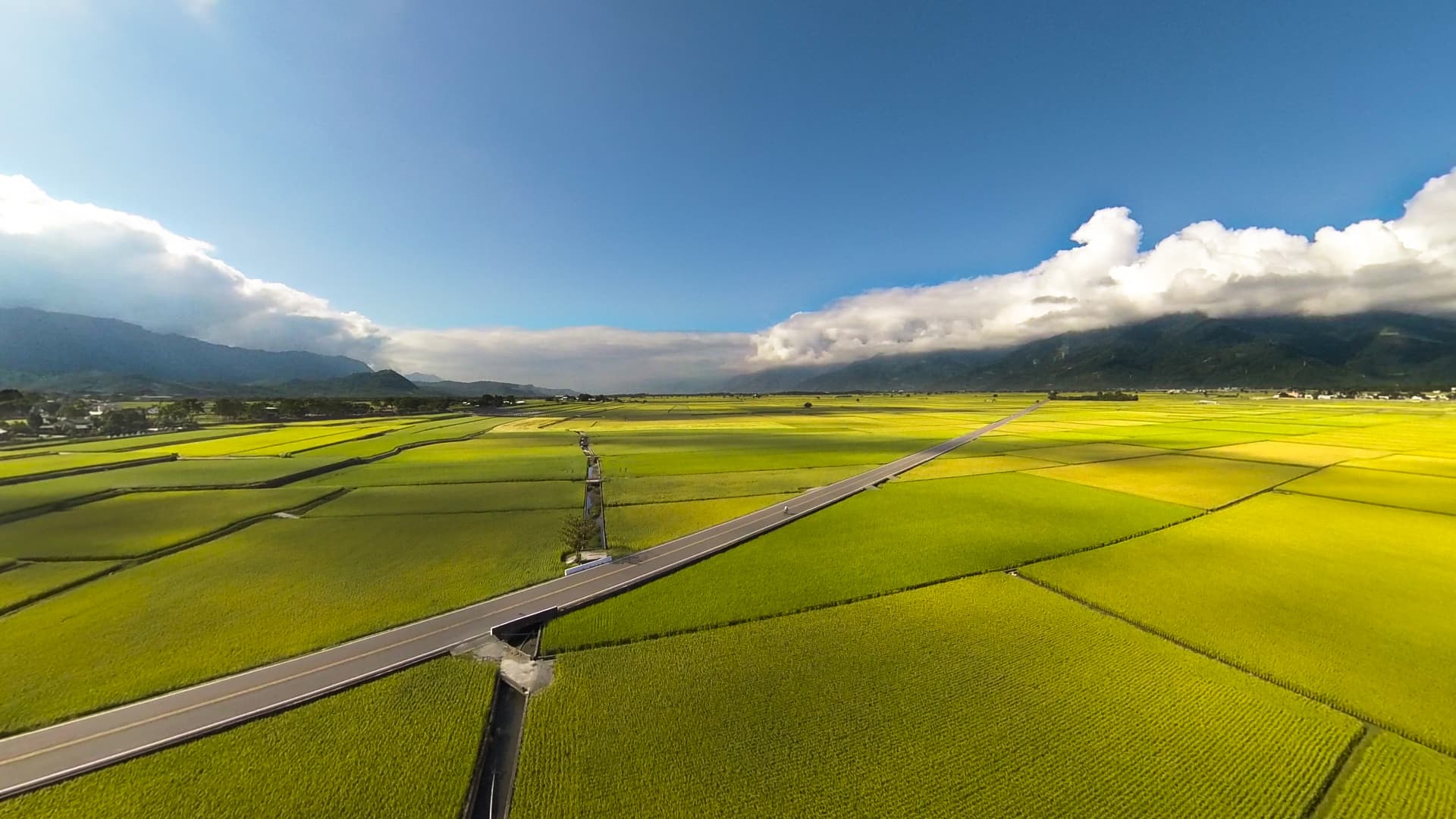
Brown Avenue · The Version Without the Photo Line · A Story from Chishang
A Tree Named "Tea Offering," Lent for a Decade to a Movie Star
Brown Avenue runs 2.2 kilometres along Jinxin Road No. 3 in Chishang Township, Taitung, deliberately kept clear of power poles and houses. After Takeshi Kaneshiro drank tea beneath its bishopwood tree for an airline commercial in 2013, the road became famous overnight — but since 2023, the official name of the "Takeshi Kaneshiro Tree" has reverted to its original "Tea Offering Tree." As people who live in Taitung, we offer you the truest story of this road — including the tree's real name, how Chishang locals actually ride it, and which season is right.
2026-05-31 · 5 min read