
Daren · The Alangyi Trail · A World-Class Story
The Last Stretch of Coast With No Road
Taiwan's round-island highway stopped here. To keep one last stretch of wild coast, the island chose to leave a road forever unfinished.
Sam Hu·Updated 2026-05-29 · 5 min read
Almost every stretch of Taiwan's coastline has a road running tight along it.
Only one stretch doesn't. It is called Alangyi (阿朗壹).
Where the round-island highway stops
The Alangyi Trail lies between Nantian (南田) in Daren Township (達仁鄉), Taitung, and Xuhai (旭海) in Mudan Township, Pingtung.
Years ago, the round-island Provincial Highway 26 was meant to be punched through here, joining the head and tail of Taiwan's coastline into one. But the work reached this point and stopped — because people realized that once a road crossed over, this last stretch of coast untouched by asphalt would never come back.
So Taiwan made a rare decision: to leave a road forever unfinished.
These 8 kilometers became the one stretch of coast on mainland Taiwan that a car cannot reach. It was once part of the Qing-era "Langqiao–Beinan Road" (瑯嶠─卑南道); indigenous people, settlers, and postmen all walked through here. Today it is the Xuhai-Guanyinbi Nature Reserve.
Why it is still here
Alangyi is still Alangyi because it is hard to get into.
The reserve runs on total-volume control: you must apply online to enter, you must be accompanied by a licensed guide, and there is a daily cap on numbers. You cannot just turn up the way you'd wander onto a riverbank.
「It's not that we don't welcome people. It's that this is the only stretch of coast like this we have left — it needs to be walked very slowly, and very lightly.
」
It sounds like a barrier, but it is really a kind of tenderness. Precisely because it is hard to reach, it never became the next attraction trampled flat.
Nantian stones, and the climb over Guanyinbi
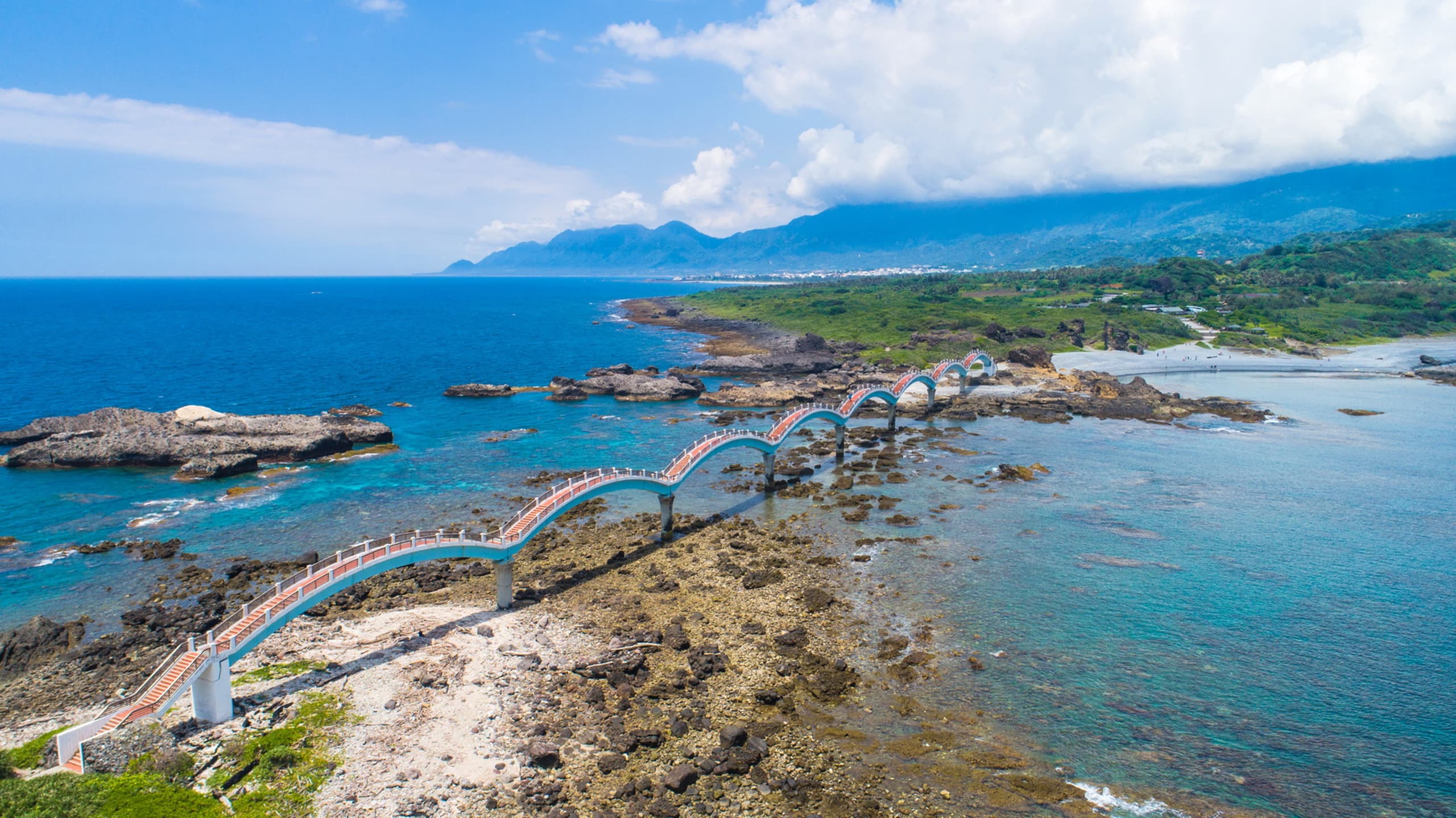
Step into Alangyi and the ground beneath you isn't sand — it's Nantian stones (南田石), round black pebbles polished and gleaming after thousands of years in the Pacific. When the tide pulls back, the whole pebble beach gives off a rushing "hwa-la, hwa-la" sound, as if the sea were counting its stones.
At Guanyinbi (觀音鼻), sheer cliffs block the coast and there is no way to keep walking along the shore — you can only go up, on the high climb: hauling yourself by ropes to the top of the headland, then coming down the other side. From up there, you look down on the open, unsheltered Pacific, the Kuroshio Current flowing right beneath your feet.
Taking stones here is forbidden. The Nantian stones belong to this coast, not to anyone's pocket.
Walking where there is no road
We have grown so used to roads.
A road gives you direction, speed, an answer to "how much longer." But in Alangyi there is no asphalt, no signposts, no signal — you can only follow the shape the coastline already has, and let the tide decide your pace.
As you walk, you come to see that this isn't a coast "with no road" so much as a coast given back to the sea to shape as it chooses. Taiwan kept these 8 kilometers as a reminder: not every place needs to be punched through.
How to walk the Alangyi Trail
- Location: Nantian (南田) in Daren Township, Taitung ↔ Xuhai (旭海) in Mudan Township, Pingtung; about 8.4 km in all, half a day
- Permit required: it lies within the Xuhai-Guanyinbi Nature Reserve and runs on total-volume control; you must apply online to enter and walk with a licensed guide. In peak season and on holidays, slots go fast — book early
- Direction: most people walk from Nantian (the Taitung end) toward Xuhai, following the Kuroshio and the light
- Season and gear: sun protection, non-slip hiking shoes, plenty of water; summers are scorching, and you'll need to watch the sea state and the tides
- Leave no trace: it is forbidden to pick up or take away Nantian stones or any living thing
- How to pair it: it fits best right after "South Link Slow Travel" — heading south from Taimali and Duoliang, you finish off the very last stretch of Taiwan's coastline
Afterword
World-class things are often not about "more" but about "less."
Less development, fewer footprints, fewer places you "absolutely have to see." Alangyi is a rare blank Taiwan kept for itself — a coast with no road that carries you further than any road could.
Walk it and you'll understand: sometimes the most luxurious scenery is a place we never changed.
Next —
Want to turn this place into a trip?
Leave the car, the stay, the food, and the guide to us — a team that actually lives in Taitung. Message us on LINE with where and when, and we'll make it real.
A rough plan & quote the same day · no charge unless you're happy · no hard sell
See the related trip →Image credits
- Hero: 花東縱谷國家風景區管理處 · media.taiwan.net.tw · 政府資料開放授權條款 第 1 版
- Secondary: 交通部觀光署 · media.taiwan.net.tw · 政府資料開放授權條款 第 1 版
Sources
More stories —
Other local stories
Beinan Site · Prehistoric Culture · A 5,000-Year Story
5,000 Years Ago, People Were Already Lighting Fires, Eating, and Burying Their Dead in Taitung
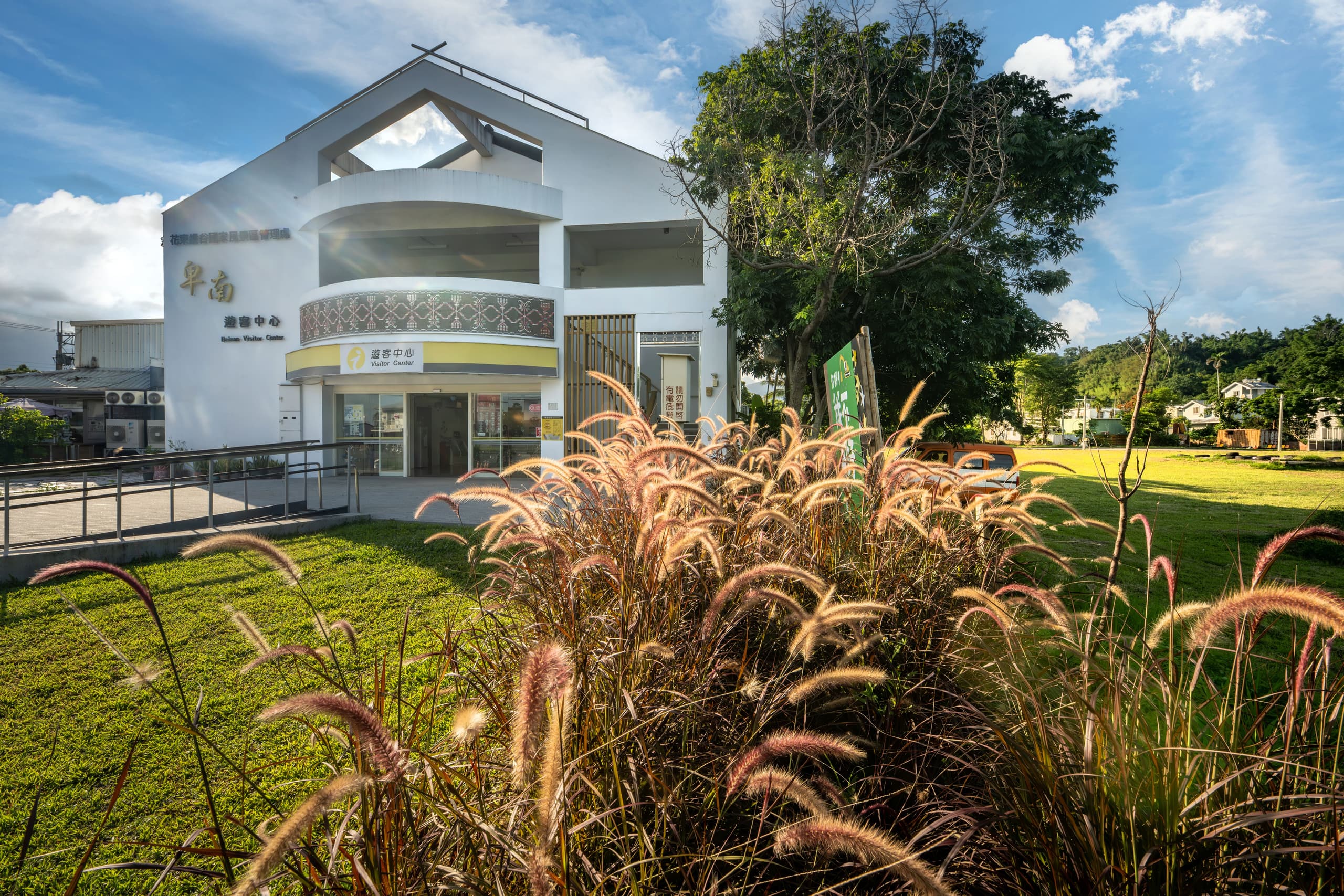
The Beinan Site, beside Kangle Station in Taitung City, is the largest prehistoric settlement ever found in Taiwan and the largest slate-coffin burial ground anywhere in the Pacific Rim and Southeast Asia. The Beinan Culture, which flourished here from roughly 5,000 to 2,300 years ago, left behind a complete record of dwellings, graves, jade, and pottery. Discovered in 1980 during construction of the South-Link Railway, it was excavated under archaeologists Sung Wen-hsun and Lien Chao-mei, yielding about 1,600 burials, over 99% of them slate coffins. The crescent stone pillars (3,500 years old) are the most striking remains still standing on the surface. For travellers who want to understand that Taitung was not first settled a mere hundred years ago.
2026-05-31 · 6 min read
Brown Avenue · The Version Without the Photo Line · A Story from Chishang
A Tree Named "Tea Offering," Lent for a Decade to a Movie Star
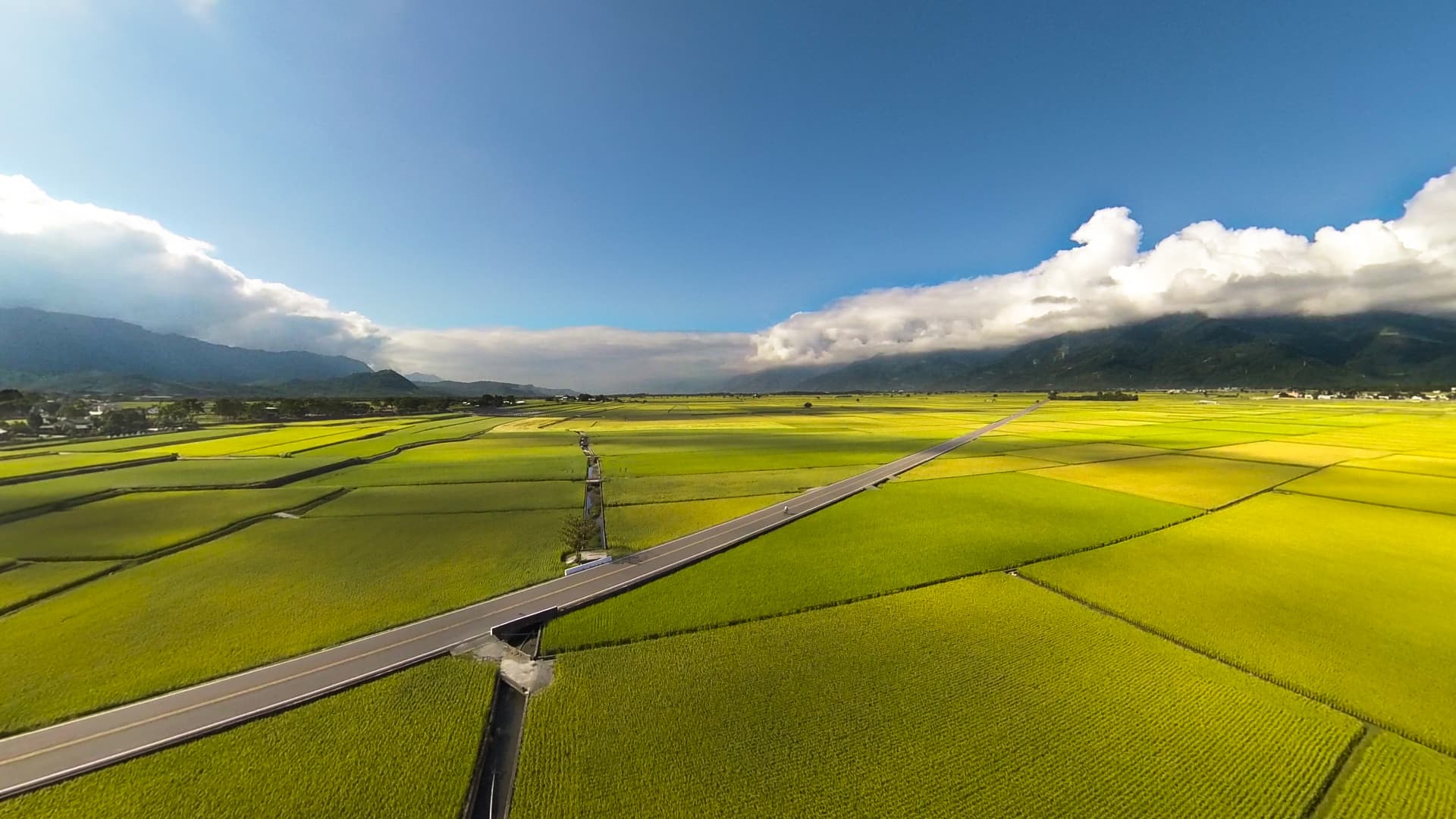
Brown Avenue runs 2.2 kilometres along Jinxin Road No. 3 in Chishang Township, Taitung, deliberately kept clear of power poles and houses. After Takeshi Kaneshiro drank tea beneath its bishopwood tree for an airline commercial in 2013, the road became famous overnight — but since 2023, the official name of the "Takeshi Kaneshiro Tree" has reverted to its original "Tea Offering Tree." As people who live in Taitung, we offer you the truest story of this road — including the tree's real name, how Chishang locals actually ride it, and which season is right.
2026-05-31 · 5 min read